
Leave your message to get our quick response
edoxi automated message icon

Certified Cybersecurity Technician (C|CT) course

A professional Certified Cybersecurity Technician (C|CT) course setup showing a technician monitoring security tools, analyzing threats, and managing endpoint and network protection systems in a modern cybersecurity operations environment.
Edoxi’s 40-hour online Certified Cybersecurity Technician (C|CT) training builds essential cybersecurity skills for individuals seeking a strong foundation in cybersecurity. Get skills in network defense, ethical hacking, digital forensics, and security operations using Wireshark, Nmap, IDS/IPS, and SIEM. Work with real-world projects and CTF challenges. Prepare for the EC-Council 212-82 exam. Enrol now to step confidently into entry-level cybersecurity roles across industries.
 
Course Duration
40 Hours
Corporate Days
5 Days
Learners Enrolled
50+
Modules
22
star-rating-icon1
star-rating-icon2
star-rating-icon3
Course Rating
4.9
star-rating-4.9
Mode of Delivery
Online
Certification by

What Do You Learn from Edoxi's Certified Cybersecurity Technician (C|CT) Training

Network Security Fundamentals and Controls
Learn the TCP/IP protocol suite, OSI model, and network segmentation. Implement administrative, physical, and technical controls, including firewalls and VPNs.
Information Security Threats and Attack Mechanisms
Identify malware, social engineering tactics, and vulnerability exploitation methods. Understand threat detection and incident response procedures.
Intrusion Detection and Prevention Systems
Configure IDS solutions to monitor network traffic, deploy honeypots, and implement unified threat management to strengthen organisational security.
Cryptography and Identity Management
Apply cryptography principles and public key infrastructure concepts. Implement identification, authentication, and authorisation mechanisms across systems.
Digital Forensics and Incident Response
Conduct forensic investigations with proper evidence handling, analyse digital artefacts, and follow structured incident response processes.
Security Operations and Threat Intelligence
Perform vulnerability assessments using tools like Wireshark and Nmap. Monitor network logs, carry out threat hunting, and analyse suspicious traffic patterns.

About Our Online Certified Cybersecurity Technician (C|CT) Course 

Edoxi’s 40-hour online Certified Cybersecurity Technician (C|CT) training builds foundational cybersecurity skills across network defence, ethical hacking, digital forensics, and security operations. This CCT program delivers hands-on experience through interactive virtual labs, capture-the-flag exercises, and real-world simulations that mirror enterprise-level cybersecurity challenges. 

The Certified Cybersecurity Technician (C|CT) course curriculum covers network security fundamentals, threat detection, intrusion prevention, cryptography, identity management, digital forensics, vulnerability assessment, incident response, and security operations. Participants gain practical proficiency with industry-standard tools such as Wireshark, Nmap, firewalls, IDS/IPS systems, and SIEM platforms. Training also includes performance-based assessments aligned with EC-Council 212-82 certification objectives.

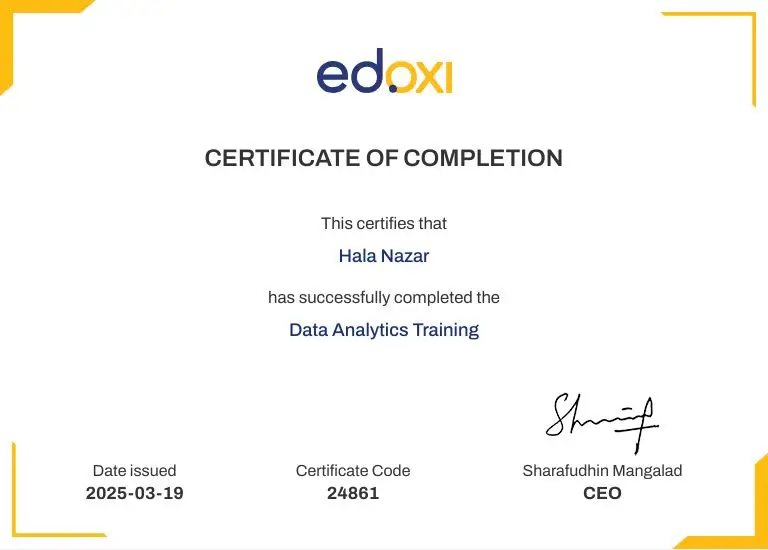
This course is ideal for early-career IT professionals, network administrators, career changers, and teams seeking foundational technical cybersecurity expertise. Upon completion of the CCT course, learners can gain an Edoxi Certified Cybersecurity Technician (C|CT) course completion certificate. This credential validates your skills for roles like cybersecurity technician, SOC analyst, and network security engineer globally.

Enrol now to strengthen your technical cybersecurity capabilities and advance your career in high-demand security roles worldwide.

Certified Cybersecurity Technician (CCT) Exam Details

The Certified Cybersecurity Technician (C|CT) 212-82 exam validates your foundational cybersecurity skills, including network defence, ethical hacking, digital forensics, and security operations. Below is a breakdown of the key exam details:


Exam Criteria Details
Exam Code 212-82
Exam Name
Certified Cybersecurity Technician (C|CT)
Duration
3 hours (185 minutes)
Number of Questions
60 (50 multiple-choice + 10 practical)
Question Format
Multiple Choice and Hands-On Practical
Passing Score
70% (adaptive scoring 60-85% based on form)
Exam Fee
USD $249 (academic/student rate)
Certification Validity 3 years
Recertification
120 ECE credits over 3 years + USD $80 annual CE fee
Exam Administration Authority
EC-Council Exam Portal
Exam Mode
Remote Proctoring Services
Languages English

Key Features of Edoxi's Certified Cybersecurity Technician (C|CT) Training

85 Extensive Hands-On Virtual Labs

Gain deep practical exposure through significantly more virtual labs than standard entry-level certifications, focused on real-world security scenarios.

Live Cyber Range Experience

Train in an immersive cyber range with simulated enterprise networks for threat detection and penetration testing practice.

Capture-the-Flag (CTF) Skill Validation

Prove your technical capabilities through performance-based CTF challenges that test problem-solving and applied security skills.

Official Study Resources and Lab Guides

Learn with structured access to authorised C|CT study materials, lab manuals, and security tool references.

Scenario-Driven Learning

Apply concepts through simulated network setups, real-world attack detection exercises, and introductory penetration testing tasks.

Wireshark and Nmap Tool-Based Training

Develop hands-on proficiency with essential network analysis and vulnerability scanning tools used in daily security operations.

Who Can Join Our Online Certified Cybersecurity Technician (C|CT) Training?

Early-Career IT Professionals

IT support staff transitioning into specialised cybersecurity roles.

Computer Science Graduates

Recent graduates seeking foundational cybersecurity credentials for employment.

Career Changers

Professionals with analytical abilities entering the cybersecurity field.

IT Managers

Management personnel overseeing security operations and technical teams.

Corporate Teams

Organisations building consistent cybersecurity capabilities across their workforce.

Certified Cybersecurity Technician (C|CT) Course Modules

Module 01: Information Security Threats and Vulnerabilities
  • Chapter 1.1: Introduction to Information Security

    • Lesson 1.1.1: Understanding the importance of information security
    • Lesson 1.1.2: Key principles – Confidentiality, Integrity, and Availability (CIA triad)
  • Chapter 1.2: Common Threats and Vulnerabilities

    • Lesson 1.2.1: Malware, ransomware, spyware, and viruses
    • Lesson 1.2.2: Human-related vulnerabilities – phishing and social engineering
    • Lesson 1.2.3: System and network vulnerabilities
Module 02: Information Security Attacks
  • Chapter 2.1: Overview of Security Attacks

    • Lesson 2.1.1: Types of security attacks – active vs passive
    • Lesson 2.1.2: Attack vectors and methods
  • Chapter 2.2: Common Attacks

    • Lesson 2.2.1: Denial of Service (DoS) and Distributed Denial of Service (DDoS)
    • Lesson 2.2.2: Man-in-the-Middle (MitM) attacks
    • Lesson 2.2.3: SQL injection and cross-site scripting (XSS)
Module 03: Network Security Fundamentals
  • Chapter 3.1: Network Concepts

    • Lesson 3.1.1: Types of networks and topologies
    • Lesson 3.1.2: OSI and TCP/IP models
  • Chapter 3.2: Network Protocols and Devices

    • Lesson 3.2.1: Common network protocols
    • Lesson 3.2.2: Firewalls, routers, and switches
Module 04: Identification, Authentication, and Authorization
  • Chapter 4.1: User Identification and Authentication

    • Lesson 4.1.1: Username/password, biometrics, and MFA
    • Lesson 4.1.2: Authentication protocols (e.g., Kerberos, RADIUS)
  • Chapter 4.2: Access Control and Authorization

    • Lesson 4.2.1: Role-based and attribute-based access control
    • Lesson 4.2.2: Principle of least privilege
Module 05: Network Security Controls – Administrative Controls
  • Chapter 5.1: Security Policies and Procedures

    • Lesson 5.1.1: Developing and enforcing security policies
    • Lesson 5.1.2: Training and awareness programs
  • Chapter 5.2: Compliance and Auditing

    • Lesson 5.2.1: Regulatory frameworks
    • Lesson 5.2.2: Risk assessments and audits
Module 06: Network Security Controls – Physical Controls
  • Chapter 6.1: Physical Security Measures

    • Lesson 6.1.1: Perimeter security and access controls
    • Lesson 6.1.2: Surveillance and environmental controls
Module 07: Network Security Controls – Technical Controls
  • Chapter 7.1: Technical Security Mechanisms

    • Lesson 7.1.1: Firewalls, IDS/IPS, and antivirus software
    • Lesson 7.1.2: Encryption and secure protocols
Module 08: Network Security Assessment Techniques and Tools
  • Chapter 8.1: Vulnerability Assessment

    • Lesson 8.1.1: Scanning and identification of vulnerabilities
    • Lesson 8.1.2: Vulnerability management lifecycle
  • Chapter 8.2: Penetration Testing

    • Lesson 8.2.1: Phases of penetration testing
    • Lesson 8.2.2: Tools and techniques
Module 09: Application Security
  • Chapter 9.1: Application Vulnerabilities

    • Lesson 9.1.1: Common software bugs and flaws
    • Lesson 9.1.2: Secure coding practices
  • Chapter 9.2: Web and Mobile App Security

    • Lesson 9.2.1: OWASP Top 10
    • Lesson 9.2.2: Application firewalls and scanning tools
Module 10: Virtualization and Cloud Computing
  • Chapter 10.1: Virtualization Technologies

    • Lesson 10.1.1: Hypervisors and virtual machines
    • Lesson 10.1.2: Security considerations in virtual environments
  • Chapter 10.2: Cloud Security

    • Lesson 10.2.1: Cloud service models (IaaS, PaaS, SaaS)
    • Lesson 10.2.2: Shared responsibility model and cloud threats
Module 11: Wireless Network Security
  • Chapter 11.1: Wireless Technologies and Risks

    • Lesson 11.1.1: Wi-Fi standards and encryption
    • Lesson 11.1.2: Common wireless vulnerabilities
  • Chapter 11.2: Securing Wireless Networks

    • Lesson 11.2.1: Wireless authentication and access control
    • Lesson 11.2.2: Secure configuration and monitoring
Module 12: Mobile Device Security
  • Chapter 12.1: Mobile Threat Landscape

    • Lesson 12.1.1: Device-level threats and OS vulnerabilities
    • Lesson 12.1.2: Mobile app and data security risks
  • Chapter 12.2: Securing Mobile Devices

    • Lesson 12.2.1: Mobile device management (MDM)
    • Lesson 12.2.2: Endpoint protection tools
Module 13: IoT and OT Security
  • Chapter 13.1: IoT and OT Overview

    • Lesson 13.1.1: Differences between IT, IoT, and OT
    • Lesson 13.1.2: Risks associated with IoT/OT devices
  • Chapter 13.2: Securing IoT/OT Environments

    • Lesson 13.2.1: Network segmentation and access control
    • Lesson 13.2.2: Device authentication and updates
Module 14: Cryptography
  • Chapter 14.1: Basics of Cryptography

    • Lesson 14.1.1: Symmetric vs asymmetric encryption
    • Lesson 14.1.2: Hashing and digital signatures
  • Chapter 14.2: Cryptographic Applications

    • Lesson 14.2.1: SSL/TLS, VPNs, and email encryption
    • Lesson 14.2.2: Cryptographic protocols and key management
Module 15: Data Security
  • Chapter 15.1: Data Protection Principles

    • Lesson 15.1.1: Data classification and handling
    • Lesson 15.1.2: Encryption and masking
  • Chapter 15.2: Data Loss Prevention (DLP)

    • Lesson 15.2.1: DLP tools and techniques
    • Lesson 15.2.2: Insider threats and access controls
Module 16: Network Troubleshooting
  • Chapter 16.1: Troubleshooting Fundamentals

    • Lesson 16.1.1: Common network issues and symptoms
    • Lesson 16.1.2: Troubleshooting tools and utilities
  • Chapter 16.2: Incident Diagnosis

    • Lesson 16.2.1: Identifying root causes
    • Lesson 16.2.2: Documentation and resolution
Module 17: Network Traffic Monitoring
  • Chapter 17.1: Monitoring Tools and Techniques

    • Lesson 17.1.1: Packet sniffers and analyzers
    • Lesson 17.1.2: Network baselining and alerts
  • Chapter 17.2: Traffic Analysis

    • Lesson 17.2.1: Identifying anomalies and threats
    • Lesson 17.2.2: Interpreting logs and traffic patterns
Module 18: Network Logs Monitoring and Analysis
  • Chapter 18.1: Understanding Network Logs

    • Lesson 18.1.1: Types of logs and their sources
    • Lesson 18.1.2: Importance of log analysis
  • Chapter 18.2: Log Management Tools

    • Lesson 18.2.1: SIEM systems
    • Lesson 18.2.2: Correlation and alerting
Module 19: Incident Response
  • Chapter 19.1: Incident Handling Process

    • Lesson 19.1.1: Preparation, identification, and containment
    • Lesson 19.1.2: Eradication, recovery, and lessons learned
  • Chapter 19.2: Response Team and Roles

    • Lesson 19.2.1: Roles and responsibilities
    • Lesson 19.2.2: Communication and documentation
Module 20: Computer Forensics
  • Chapter 20.1: Forensics Fundamentals

    • Lesson 20.1.1: Evidence collection and preservation
    • Lesson 20.1.2: Chain of custody and legal considerations
  • Chapter 20.2: Analysis Techniques

    • Lesson 20.2.1: File system analysis and data recovery
    • Lesson 20.2.2: Reporting and presenting findings
Module 21: Business Continuity and Disaster Recovery
  • Chapter 21.1: Planning for Continuity

    • Lesson 21.1.1: Business Impact Analysis (BIA)
    • Lesson 21.1.2: Developing a BCP and DRP
  • Chapter 21.2: Recovery Strategies

    • Lesson 21.2.1: Backup types and storage strategies
    • Lesson 21.2.2: Testing and maintaining plans
Module 22: Risk Management
  • Chapter 22.1: Risk Management Concepts

    • Lesson 22.1.1: Identifying and analyzing risks
    • Lesson 22.1.2: Qualitative vs quantitative risk assessment
  • Chapter 22.2: Mitigation and Response

    • Lesson 22.2.1: Risk mitigation strategies
    • Lesson 22.2.2: Ongoing risk monitoring

Download Certified Cybersecurity Technician (C|CT) Course Brochure

Real-World Projects in Our Online Certified Cybersecurity Technician (C|CT) Course

Our online Certified Cybersecurity Technician (C|CT) course combines expert-led training with hands-on, real-world cybersecurity projects that reflect practical security operations. The activities include:

Projects

  • Firewall Configuration and Network Segmentation

    Design firewall rules, establish DMZ zones, and validate security policy effectiveness through systematic testing procedures.

  • Intrusion Detection System Deployment

    Deploy network-based IDS, configure detection mechanisms, and fine-tune rules to minimise false positive alerts.

  • Malware Detection Laboratory Exercise

    Analyse malicious software samples, identify compromise indicators, and develop containment strategies based on threat characteristics.

  • Incident Response Simulation

    Respond to simulated security breach, preserve digital evidence, and document complete incident lifecycle comprehensively.

  • Vulnerability Assessment and Remediation

    Conduct network vulnerability assessments, prioritise risks by severity, and develop effective remediation implementation plans.

  • Security Information and Event Management Implementation

    Configure centralised log collection, establish baseline patterns, and create custom detection rules for activities.

Cybersecurity Technician (C|CT) Course Outcome and Career Opportunities

By completing our Certified Cybersecurity Technician (C|CT) course, you will gain core cybersecurity skills, hands-on tool experience, and the confidence to protect, monitor, and respond to modern security threats. The key outcomes include:

Course Outcome Image
Build strong foundational skills in network security, threat detection, and cybersecurity operations.
Apply practical techniques for intrusion detection, vulnerability assessment, and incident response.
Use industry-standard tools such as Wireshark, Nmap, IDS/IPS, and SIEM platforms effectively.
Implement security controls across networks, systems, applications, and cloud environments.
Perform basic digital forensics, malware analysis, and security monitoring tasks confidently.
Prepare for entry-level technical cybersecurity roles and the EC-Council C|CT (212-82) certification exam.

Job Roles After Completing the Cybersecurity Technician (C|CT) Course

  • IT Networking Specialist
  • Cybersecurity Technician
  • Network Administrator
  • Security Operations Center (SOC) Analyst
  • Network Engineer
  • IT Manager

Cybersecurity Technician (C|CT) Course Training Options

Live Online Training

  • 40 hours online Cybersecurity Technician (C|CT) training

  • Interactive Virtual Classroom Sessions

  • Remote Access to Lab Environments

  • Live Instructor-Led Demonstrations

  • Flexible Scheduling for Professionals

Corporate Training

  • 4 days Tailored Content for Organisational Needs

  • Flexible Scheduling and Batch Sizes

  • Enterprise Performance Dashboards

  • Training delivered at a selected hotel, client premises, or Edoxi

  • Fly-Me-a-Trainer Option

Do You Want a Customised Training for Certified Cybersecurity Technician (C|CT)?

Get expert assistance in getting you Certified Cybersecurity Technician (C|CT) Course customised!

How to Get a Cybersecurity Technician (C|CT) Certification?

Here’s a four-step guide to becoming a certified Certified Cybersecurity Technician (C|CT) professional.
Do You Want to be a Certified Professional in Certified Cybersecurity Technician (C|CT)?

Join Edoxi’s Certified Cybersecurity Technician (C|CT) Course

Why Choose Edoxi for an Online Cybersecurity Technician (C|CT) Course?

Among the many options available, Edoxi is the top choice. Here’s why Edoxi’s Cybersecurity Technician (C|CT) training is the perfect fit for your needs:

EC-Council–Accredited Curriculum Alignment

Our Certified Cybersecurity Technician (C|CT) course strictly follows the EC-Council 212-82 exam objectives, ensuring complete alignment with international certification standards.

Comprehensive Exam Preparation

Participants receive structured guidance, practice assessments, and capture-the-flag simulations designed to prepare them thoroughly for the C|CT certification exam.

Expert Cybersecurity Instructors

Learn from EC-Council–certified trainers with real-world experience in network defence, incident response, and security operations across major global industries.

Flexible Corporate Training Options

We offer online and customised corporate sessions tailored to organisational security needs, schedules, and workforce development goals.

Complete Security Leadership Pathway

We offer a clear progression from foundational cybersecurity programmes to advanced certifications, helping professionals advance towards leadership roles.

Global and Regional Presence

Edoxi has centers in Dubai, Doha, London, and Kuwait, providing standardised training across the Middle East and beyond for consistent skills development.

students-image

Edoxi is Recommended by 95% of our Students

Meet Our Mentor

Our mentors are leaders and experts in their fields. They can challenge and guide you on your road to success!

mentor-image

Maria Mehwish

Maria Mehwish is a forward-thinking and knowledgeable information security leader with a strong background in building, updating, and maintaining digital protections for various organisations. As a certified CEH, CCSP, CCT, and CISSP Trainer, Maria has a proven track record of delivering innovative and immersive coursework, enhancing learning experiences for cyber threats, ethical hacking, security policy, DevSecOps, and cloud security. With excellent verbal and written communication skills, she is also adept at troubleshooting problems and building successful solutions.

Maria is a self-motivated individual with a strong sense of personal responsibility, capable of managing projects from start to finish. Her expertise in Amazon Web Services, Java/Go/Python/C++, DevSecOps, computer security, Linux, penetration testing, and risk analysis, among others, makes her a valuable asset to any organisation. Maria, a British national, is a native English speaker and has intermediate proficiency in Urdu.

Locations Where Edoxi Offers Certified Cybersecurity Technician (C|CT) Course

Here is the list of other major locations where Edoxi offers Certified Cybersecurity Technician (C|CT) Course

FAQ

What career opportunities become available after completing the C|CT certification?

C|CT holders can pursue roles such as cybersecurity technician, SOC analyst, network administrator, network security engineer, and incident response analyst across multiple industries globally.

How does the C|CT programme differ from other entry-level cybersecurity certifications?

C|CT offers 85 hands-on virtual labs, multi-domain coverage, and a performance-based CTF exam that validates practical skills, not just theory.

Is prior cybersecurity experience necessary to enrol in this Cybersecurity Technician (C|CT) course?

No prior experience or certifications are required; the Cybersecurity Technician (C|CT) course starts with fundamentals and progresses to applied skills.

What tools and technologies will I work with during the Cybersecurity Technician (C|CT) training?

You will use Wireshark, Nmap, IDS/IPS, firewalls, SIEM platforms, malware analysis tools, and a live cyber range environment.

How is the C|CT examination structured and what is required to pass?

The exam includes 60 questions (MCQs and hands-on CTF tasks), lasts three hours, and requires a minimum passing score of around 70%.

Does the C|CT certification require renewal or continuing education?

Yes, the certification is valid for three years and requires 120 EC-Council CEs plus an annual USD 80 CE fee.

Can organisations customise the C|CT training for corporate teams?

Yes, Edoxi provides customised on-site or virtual corporate training with flexible schedules and tailored content.

What all projects will I complete during the Cybersecurity Technician (C|CT) course?

Projects include firewall setup, IDS deployment, malware analysis, incident response simulations, vulnerability assessments, and SIEM implementation.

How does Edoxi's Cybersecurity Technician (C|CT) training prepare students for the C|CT examination?

The training fully aligns with the EC-Council 212-82 blueprint and includes labs, mock assessments, and CTF-style practice.

What makes the C|CT certification valuable for employers?

It is ANSI-accredited, performance-based, and validates practical cybersecurity skills across multiple security domains.

What salary can I expect after earning the Certified Cybersecurity Technician (CCT) certification?

CCT-certified professionals typically earn USD 55,000–70,000 in entry-level roles, with salaries reaching up to USD 83,000 based on experience, role, and industry.