Leave your message to get our quick response
edoxi automated message icon

Certified Threat Intelligence Analyst (C|TIA) Course

Professional AI engineer interacting with futuristic digital dashboards and data analytics interfaces, representing artificial intelligence technology, machine learning, and advanced IT systems.
​Edoxi’s 24-hour online CTIA training equips cybersecurity professionals with the skills to identify, analyse, and mitigate cyber threats. Master the threat intelligence lifecycle, malware analysis, and mitigation techniques through hands-on labs and simulations. This EC-Council-accredited CTIA course prepares you for the CTIA (312-38) exam and roles such as Cyber Threat Hunter and SOC Threat Intelligence Analyst. Enrol now and advance your cybersecurity career.
Course Duration
24 Hours
Corporate Days
3 Days
Learners Enrolled
50+
Modules
8
star-rating-icon1
star-rating-icon2
star-rating-icon3
Course Rating
4.9
star-rating-4.9
Mode of Delivery
Online
Certification by

What Do You Learn from Edoxi's CTIA Training

Threat Intelligence Lifecycle Management
Understand the full intelligence cycle, from planning to analysis. Learn how to collect, analyse, and share cyber threat intelligence within security frameworks.
Indicators of Compromise (IOCs) Development
Master techniques to collect and create IOCs. Learn to share them in different formats to boost detection across security platforms.
MITRE ATT&CK Framework Implementation
Apply the MITRE ATT&CK framework to identify adversary tactics and techniques. Use it to enhance threat modelling and strengthen your organisation’s security posture.
Threat Intelligence Platform Utilisation
Get hands-on experience with threat intelligence platforms. Learn to automate intelligence gathering, threat analysis, and response coordination.
Python-Driven Threat Analysis
Build skills in automated threat operations using Python scripting. Improve security monitoring through efficient, code-based threat analysis.
Strategic Threat Intelligence Reporting
Learn to create detailed threat intelligence reports. Tailor them for both technical teams and executive leaders.

About Our Online Certified Threat Intelligence Analyst  (CTIA) Course

Edoxi’s 24-hour online Certified Threat Intelligence Analyst (C|TIA) training builds essential skills to identify, analyse, and mitigate cyber threats across sectors. This C|TIA course covers the full Cyber Threat Intelligence lifecycle, from planning and collection to analysis and dissemination. Gain hands-on experience with threat intelligence platforms, malware analysis, and Python automation to boost threat detection and response. You can also prepare for the EC-Council C|TIA certification exam, formally validating your proficiency in threat intelligence.

C|TIA training dedicates 40% lab time to real-world network simulations and intelligence collection using OSINT and closed-source feeds. You will master frameworks like MITRE ATT&CK and develop skills in creating Indicators of Compromise (IOCs), threat actor profiling, and strategic intelligence reporting. This comprehensive approach prepares you to apply threat intelligence effectively within SOC operations, incident response, and risk management environments. 

For the corporate teams, they learn how to apply threat intelligence in cloud environments. They also gain expertise in implementing intelligence-driven security measures based on a comprehensive Job Task Analysis (JTA). This ensures the course stays relevant to evolving cybersecurity needs.
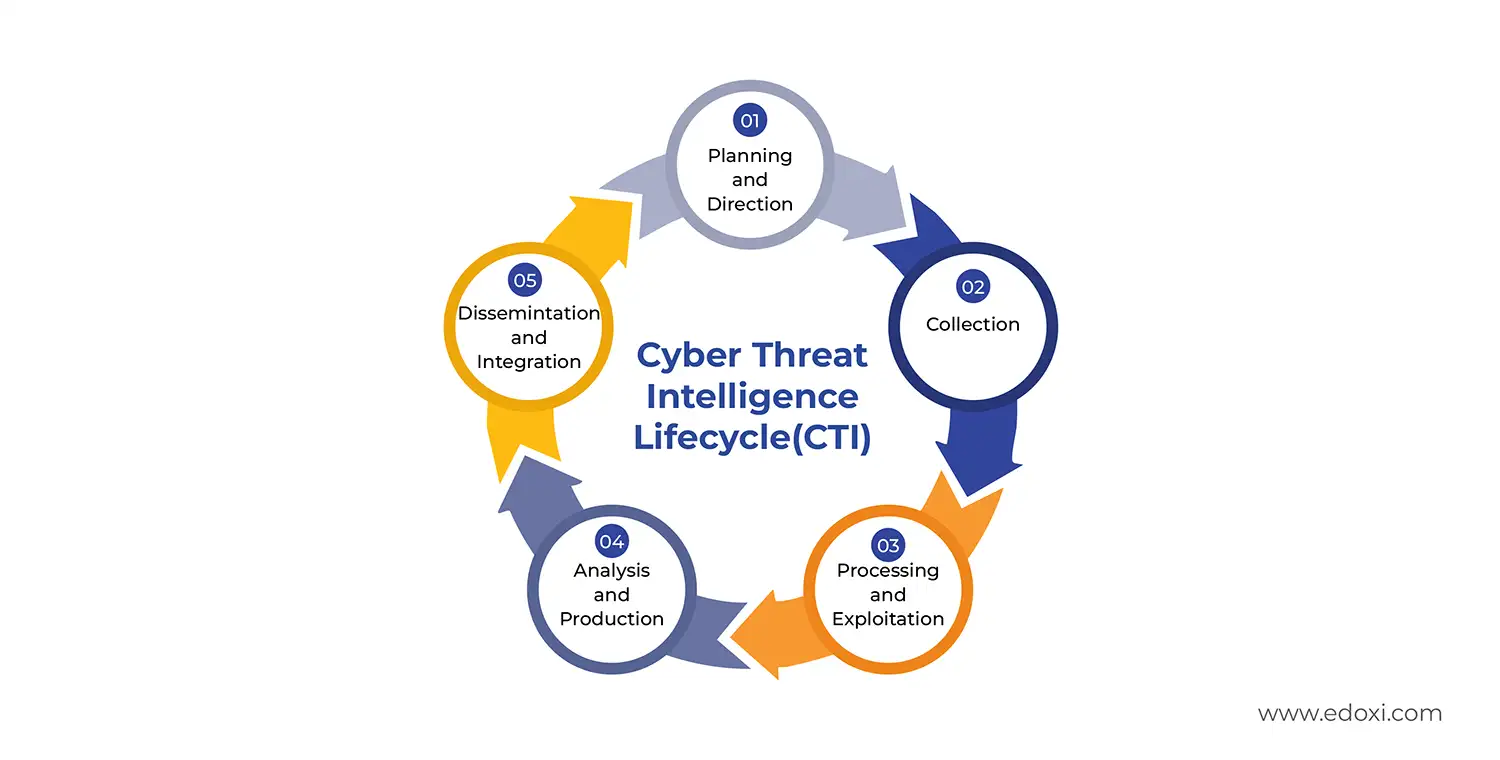
Diagram illustrating the five stages of the Cyber Threat Intelligence Lifecycle — planning and direction, collection, processing and exploitation, analysis and production, and dissemination and integration

Upon completion, you will earn a Course Completion Certificate. This certification helps you to assist in opening career opportunities in roles such as Cyber Threat Intelligence Analyst, SOC Analyst, Threat Hunter, and Incident Responder.  

Enrol now to advance your skills and grow in the cybersecurity and threat intelligence field.

CTIA Course Exam Details:

The C|TIA exam validates your expertise in cyber threat intelligence, including identifying, analysing, and mitigating evolving threats. Key exam details include:

Exam Criteria Details
Exam Code 312-38
Exam Name Certified Threat Intelligence Analyst
Duration 2 hours
Number of Questions 50, Multiple Choice
Passing Score 70% (35/50 questions)
Fees USD 199
Certification Validity 3 Years
Recertification Required every 3 years through the EC-Council Continuing Education program
Exam Administration Authority EC-Council via Pearson VUE or ECC Exam Center
 

Key Features of Edoxi's CTIA Training

Complete CTI Lifecycle Mastery

Learn every phase of the Cyber Threat Intelligence lifecycle. Build expertise in planning, collection, analysis, production, and dissemination.

Four-Dimensional Intelligence Approach

Understand and apply all four intelligence types—Strategic, Operational, Tactical, and Technical. Each type supports different organisational needs and stakeholders.

Lab-Intensive Programme (40% Lab Time)

40% of the course is dedicated to hands-on labs. This practical approach ensures real-world skill development, not just theory.

Real-World Network Simulations

Train in realistic network environments. Use industry-standard platforms that reflect actual corporate infrastructure and threat scenarios.

Multi-Source Intelligence Collection

Master techniques to gather data from various sources. This includes OSINT, closed-source intelligence, and specialised threat feeds.

Threat Intelligence Platform Utilisation

Get practical experience with top threat intelligence platforms. Learn to aggregate, analyse, and operationalise data for better security outcomes.

Who Can Join Our Online CTIA Course

Cybersecurity Analysts

Security professionals focused on monitoring and protecting organisational digital assets.

SOC Analysts

Specialists working in Security Operations Centers, detecting and responding to threats.

Threat Hunters

Proactive security professionals who search for hidden adversaries in networks.

Incident Responders

Experts who manage and mitigate the impact of security breaches.

Security Managers

Leaders overseeing organisational security strategy and implementation.

IT Auditors

Professionals evaluating security controls and compliance with standards.

Forensic Analysts

Specialists investigating digital evidence following security incidents.

Risk Analysts

Professionals assessing and managing cybersecurity risks across organisations.

Certified Threat Intelligence Analyst Course Modules

Module 1: Introduction to Threat Intelligence
  • Chapter 1.1: Foundations of Cyber Threat Intelligence

    • Lesson 1.1.1: Definition and Importance of Threat Intelligence
    • Lesson 1.1.2: Key Concepts and Terminologies
    • Lesson 1.1.3: Categories of Threat Intelligence
Module 2: Cyber Threats and Attack Frameworks
  • Chapter 2.1: Understanding Cyber Threats

    • Lesson 2.1.1: Types of Cyber Threat Actors
    • Lesson 2.1.2: Common Cyber Threat Vectors
  • Chapter 2.2: Attack Lifecycle and Frameworks

    • Lesson 2.2.1: Cyber Kill Chain Model
    • Lesson 2.2.2: MITRE ATT&CK Framework
    • Lesson 2.2.3: Diamond Model of Intrusion Analysis
Module 3: Requirements, Planning, Direction, and Review
  • Chapter 3.1: Planning a Threat Intelligence Program

    • Lesson 3.1.1: Establishing Intelligence Requirements
    • Lesson 3.1.2: Planning and Direction in Intelligence Cycles
    • Lesson 3.1.3: Stakeholder Engagement and Review
Module 4: Data Collection and Processing
  • Chapter 4.1: Intelligence Data Collection Techniques

    • Lesson 4.1.1: Open Source Intelligence (OSINT)
    • Lesson 4.1.2: Human Intelligence (HUMINT) and Technical Sources
  • Chapter 4.2: Data Processing and Normalisation

    • Lesson 4.2.1: Data Filtering and De-duplication
    • Lesson 4.2.2: Structuring and Enriching Raw Data
Module 5: Data Analysis
  • Chapter 5.1: Techniques for Threat Data Analysis

    • Lesson 5.1.1: Analytical Techniques and Tools
    • Lesson 5.1.2: Threat Correlation and Pattern Recognition
    • Lesson 5.1.3: Attribution and Actor Profiling
Module 6: Intelligence Reporting and Dissemination
  • Chapter 6.1: Creating Effective Intelligence Reports

    • Lesson 6.1.1: Structure and Components of a Report
    • Lesson 6.1.2: Reporting for Different Audiences
  • Chapter 6.2: Dissemination and Feedback

    • Lesson 6.2.1: Sharing Intelligence with Stakeholders
    • Lesson 6.2.2: Feedback and Continuous Improvement
Module 7: Threat Hunting and Detection
  • Chapter 7.1: Principles of Threat Hunting

    • Lesson 7.1.1: Proactive Threat Hunting Approaches
    • Lesson 7.1.2: Tools and Techniques for Threat Hunting
  • Chapter 7.2: Threat Detection in Enterprise Environments

    • Lesson 7.2.1: Indicators of Compromise (IoCs)
    • Lesson 7.2.2: Behavioral Analysis and Detection Strategies
Module 8: Threat Intelligence in SOC Operations, Incident Response, and Risk Management
  • Chapter 8.1: Integrating Intelligence into SOC Operations

    • Lesson 8.1.1: Threat Intelligence in Monitoring and Detection
    • Lesson 8.1.2: Threat Intelligence Platforms (TIPs)
  • Chapter 8.2: Supporting Incident Response and Risk Management

    • Lesson 8.2.1: Intelligence-Driven Incident Response
    • Lesson 8.2.2: Using Intelligence for Risk Assessment and Mitigation

Download C|TIA Course Brochure

Real-World Projects in Our Online Certified Threat Intelligence Analyst Course

Our Online Certified Threat Intelligence Analyst Course combines expert-led instruction with hands-on, real-world projects that reflect current cyber threat landscapes. Participants gain practical experience by working on industry-relevant scenarios, including:

Projects

  • Advanced Threat Actor Profiling

    Perform detailed analysis of a specific threat actor group by examining their tactics, techniques, and procedures (TTPs), along with past campaigns, to develop a comprehensive profile that supports proactive defence planning.

  • IOC Enrichment and Operational Analysis

    Gather, normalise, and enrich Indicators of Compromise (IOCs) from multiple intelligence sources, and establish a structured process to validate, prioritise, and integrate them into security operations and tools.

  • Strategic Threat Intelligence Reporting

    Develop an executive-level threat intelligence report focused on industry-specific risks, delivering clear insights and actionable recommendations to strengthen organisational security posture.

  • Threat Data Collection and Processing

    Apply OSINT techniques, technical collection methods, and intelligence feeds to collect threat data, then normalise and prepare it for effective analysis and decision-making.

Certified Threat Intelligence Analyst (CTIA ) Course Outcome and Career Opportunities

Earning the EC-Council Certified Threat Intelligence Analyst (C|TIA) certification opens career paths in cyber threat analysis, SOC operations, and incident response. The course outcomes include:

Course Outcome Image
Master the threat intelligence lifecycle, including planning, collection, analysis, and dissemination.
Identify and profile threat actors using models such as MITRE ATT&CK, Kill Chain, and Diamond Model.
Develop, validate, and operationalize indicators of compromise (IOCs) for improved detection.
Gain hands-on expertise in threat intelligence platforms, OSINT tools, and Python scripting.
Produce clear and actionable intelligence reports for SOC teams, executives, and stakeholders.
Integrate intelligence into SOC, incident response, and risk management for stronger defense.

Career Opportunities After Completing the CTIA Training

  • Cyber Threat Intelligence Analyst
  • Cyber Threat Hunter
  • Cyber Threat Intelligence Associate/Researcher/Consultant
  • Cyber Security/Information Security Threat Intelligence Analyst
  • Cyber Threat Intelligence Engineer/Specialist/Lead/Manager
  • SOC Threat Intelligence Analyst
  • Principal Cybercrime Threat Intelligence Analyst
  • Threat Management Associate Director
  • Project Manager/Director of Threat Intelligence

Certified Threat Intelligence Analyst Training Options

Online Training

  • 24-hour online CTIA Course Training

  • Virtual Lab Environment Access

  • Interactive Instructor-Led Sessions

  • Flexible Scheduling Options

  • Recording Access for Review

Corporate Training

  • Customizable Curriculum for Organizations

  • Industry-Specific Threat Scenarios

  • Team-Based Intelligence Exercises

  • Training delivered at a selected hotel, client premises, or Edoxi

  • Tailored Assessment Options

Do You Want a Customised Training for C|TIA?

Get expert assistance in getting you C|TIA Course customised!

How to Get a Certified Threat Intelligence Analyst Training Certification?

Here’s a four-step guide to becoming a certified Certified Threat Intelligence Analyst (CTIA) professional.
Do You Want to be a Certified Professional in C|TIA?

Join Edoxi’s C|TIA Course

Why Choose Edoxi for Online CTIA Training?

With many choices available, Edoxi stands out as the top choice. Here’s why our C|TIA training is the ideal fit for you:

Award-Winning EC-Council Training Center

Recognised as EC-Council ATC of the Year for 2023 and 2024, showcasing our excellence in cybersecurity education.

Proven Track Record

Trained over 10,000 professionals with a consistent record of success in certifications and career advancement.

Industry-Recognised Curriculum

Edoxi delivers the official EC-Council Certified Cloud Security Engineer program, ensuring alignment with global industry standards.

Expert Instructors with Industry Experience

Learn from EC-Council-certified security professionals with practical experience implementing cloud security solutions.

Complete Cyber Security Career Pathway

Access a full spectrum of cybersecurity courses, including CEH, CHFI, and ECSS, creating a comprehensive professional development roadmap for your security career.

students-image

Edoxi is Recommended by 95% of our Students

Meet Our Mentor

Our mentors are leaders and experts in their fields. They can challenge and guide you on your road to success!

mentor-image

Satendra K

Satendra Singh Khari is a renowned cybersecurity expert and the Chief Technology Officer at Edoxi, where he leads the CEH v13 AI program. With over 12 years of experience, he has trained more than 10,000 professionals and earned recognition in the Circle of Excellence for 2023 and 2024. Mr. Khari holds multiple industry certifications, including CISSP, CISM, CEH, CPENT, and CREST, which showcase his expertise in vulnerability assessment, penetration testing, and incident handling.

His practical insights, gained during his tenure as Head of Information Security in Malaysia, enhance the learning experience by providing students with essential technical skills and a clear path to career advancement. Recognized as a leader in his field, he has received the Internet 2.0 Outstanding Leadership Award for three consecutive years (2022-2024), reflecting his dedication to empowering the next generation of cybersecurity professionals.

Locations Where Edoxi Offers C|TIA Course

Here is the list of other major locations where Edoxi offers C|TIA Course

FAQ

What are the prerequisites for joining the Certified Threat Intelligence Analyst course?
The CTIA course is designed for mid-level to high-level cybersecurity professionals with at least three years of experience. Individuals with EC-Council's C|EH and C|ND certifications can also enrol.
What practical skills will I develop during this CTIA course?
You'll develop skills in threat actor profiling, IOC creation and enrichment, implementing STIX/TAXII standards, using the Diamond Model for analysis, and creating comprehensive threat intelligence reports.
Is the EC-Council CTIA certification recognised globally?
Yes, the EC-Council C|TIA certification is internationally recognised and valued by employers across various sectors, including cybersecurity, banking, government, and telecommunications.
How does the CTIA certification differ from other cybersecurity certifications?
The C|TIA specifically focuses on threat intelligence methodologies and frameworks, while other certifications may cover broader cybersecurity domains or specific technical skills like penetration testing.
How can I prepare for the CTIA exam?
The C|TIA course includes comprehensive preparation materials, practice questions, and scenarios that align with the exam. Additionally, our instructors provide guidance on key focus areas and test-taking strategies.
Can this CTIA course be customised for corporate teams?
Yes, we offer tailored C|TIA corporate training packages that can be customised to address specific organisational threat landscapes, technologies, and security objectives
How does this CTIA certification help with career advancement?
The C|TIA certification demonstrates specialised knowledge in a high-demand area of cybersecurity, potentially leading to roles with increased responsibility and compensation in threat intelligence teams, SOCs, and security management.
What is the average salary for a Certified Threat Intelligence Analyst (CTIA)?
Professionals with the C|TIA certification earn an estimated average annual salary of $104,000 to $124,000 USD, depending on factors such as location, experience, and employer.