Request a Callback

+971 43801666
 Aug 03, 2026
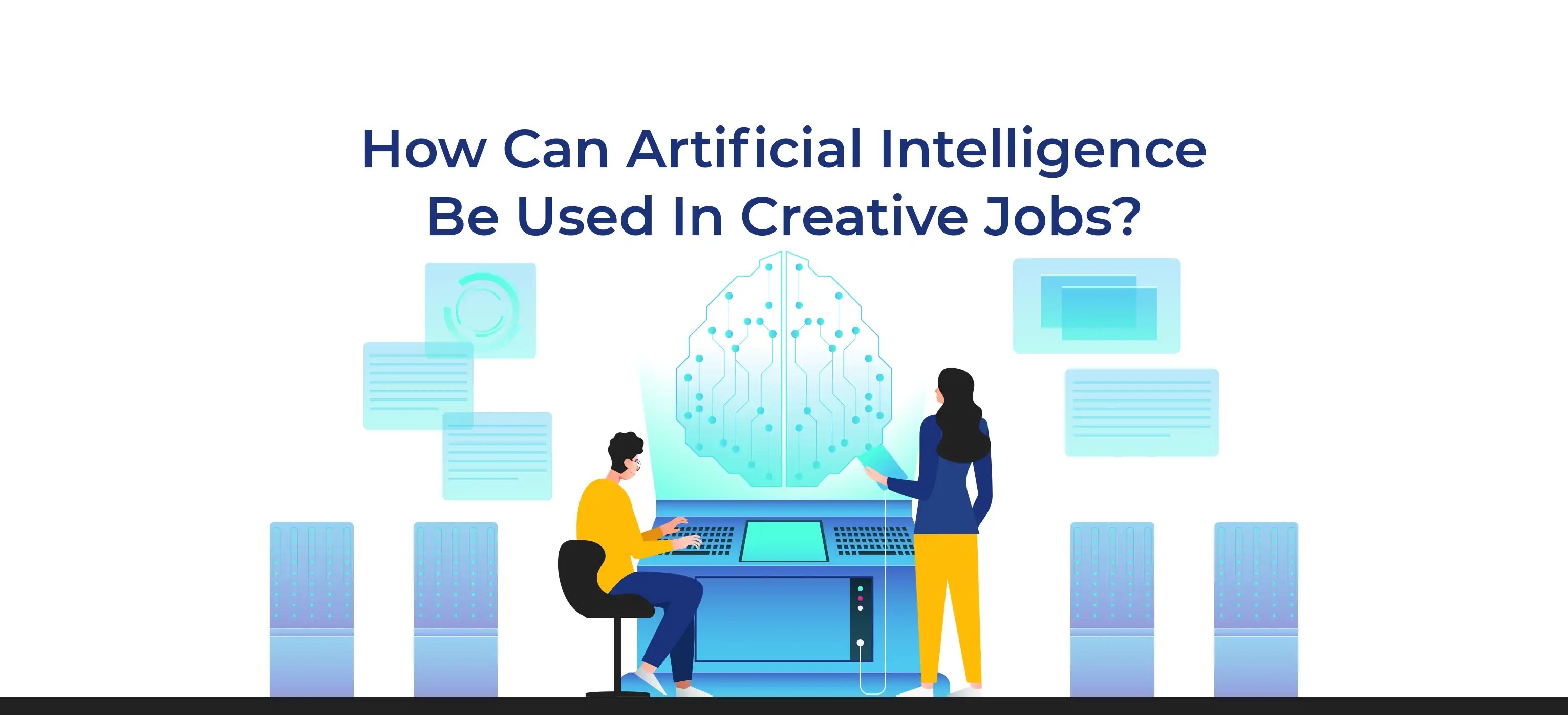
Artificial Intelligence (AI) is reshaping industries worldwide, changing how professionals work, collaborate, and innovate. From visual arts and design to writing, filmmaking, marketing, and advertising, AI is becoming an essential creative partner rather than just an automation tool. As businesses increasingly invest in artificial intelligence training, creative professionals are learning how to use AI-powered tools to enhance productivity, generate ideas, and improve the quality of their work.
This blog will explore the various ways in which AI is being used in creative jobs, highlighting its potential to enhance artistic expression, streamline workflows, and push the boundaries of innovation in the creative realm.
Check out: What is Generative AI and How Does it Work?
AI is transforming the world of visual arts and design by offering innovative solutions and tools. Artists and designers can now explore new creative horizons and push the boundaries of their craft with AI-generated art and design. These AI systems utilise algorithms and machine learning to generate unique and visually captivating artwork, challenging traditional artistic processes. Here are a few ways in which AI is influencing these fields:
AI has opened up new possibilities for generating art and design through algorithms and machine learning. Artists and designers can harness the power of AI to create unique and visually stunning artwork that pushes the boundaries of traditional techniques.
Modern AI education equips designers with the knowledge to use AI responsibly while maintaining their unique artistic vision.
AI is revolutionising creative processes by offering powerful tools and technologies. Image recognition and analysis algorithms enable artists and designers to quickly analyse and process various visual data, helping them derive inspiration, identify patterns, and make informed AI-generated art and creative decisions.
Through hands-on AI workshops, designers can learn to analyse visual data more efficiently, identify emerging design trends, and make informed creative decisions.
Check out: Jobs Lost To Automation Statistics
AI is revolutionising the writing and content creation field, offering innovative solutions and transforming how content is produced. With natural language generation algorithms, AI systems can generate written content that closely mimics human writing styles and tones, enabling automated content creation for various purposes.
Professionals who learn AI gain practical skills in using AI for brainstorming, research, editing, and content optimisation. Rather than replacing writers, AI supports the creative process by reducing repetitive work and allowing professionals to focus on storytelling, strategy, and audience engagement.
AI-generated content has emerged as a game-changer in writing and content creation. Automated systems can generate written content quickly and accurately, producing articles, reports, and even creative narratives based on predefined rules and patterns.
Read Also: How Edoxi Prepares You for a Successful AI Career in Dubai
AI-powered writing tools assist writers in refining their work. Grammar and style checkers leverage AI algorithms to provide real-time suggestions and corrections, enhancing the clarity and quality of written content. AI-based content ideation tools can generate topic ideas and provide insights for writers, fueling their creativity and productivity.
Additionally, Businesses are also introducing corporate AI training programs to help marketing and communications teams adopt AI responsibly while improving productivity.
Check out: How AI Is Helping To Identify Skills Gaps
AI is reshaping the landscape of film and entertainment, bringing advancements that enhance the industry's visual and narrative aspects. From AI-driven visual effects to AI-assisted scriptwriting and storytelling, the integration of artificial intelligence is revolutionising the way films are created, captivating audiences with stunning visuals and compelling narratives.
AI is driving the evolution of film visual effects, enabling the creation of seamless and realistic computer-generated imagery (CGI). Through deep learning algorithms, AI systems can analyze and understand visual data, allowing for more efficient and precise rendering of complex scenes, realistic simulations of physical phenomena, and the creation of breathtaking visual spectacles.
Check out: How AI Will Impact The Future Of Work And Life?
AI is becoming a valuable tool for scriptwriters and storytellers in the film industry. AI-powered systems can analyse vast amounts of scripts, movie databases, and audience feedback to provide insights and recommendations for improving scripts and enhancing storytelling elements.
These systems can detect patterns, sentiment, and narrative structures, helping filmmakers craft compelling narratives and engaging characters that resonate with audiences. AI's assistance in scriptwriting and storytelling opens up new possibilities for innovation and creativity in the film and entertainment industry.
As AI technology continues to evolve, combining creative expertise with continuous AI learning will become an essential skill for professionals seeking to remain competitive in the entertainment industry.
Check out: Jobs Most at Risk of Being Replaced by AI
AI has revolutionised the field of marketing and advertising, offering powerful tools and techniques to optimise campaigns and enhance customer engagement. From personalised targeting to AI-driven creative campaigns, artificial intelligence is reshaping the way brands connect with their audiences and deliver impactful messages.
AI enables marketers to personalise advertising campaigns by analysing large data on consumer behaviour, preferences, and demographics. Through machine learning algorithms, AI systems can segment customers, predict their interests, and deliver tailored content, resulting in more effective and targeted advertising that resonates with individual consumers.
AI is transforming the creative process in marketing and advertising by leveraging algorithms and data analysis. With AI, marketers can generate dynamic and interactive ads that adapt to the preferences and behaviours of consumers in real-time. AI-driven creative campaigns harness the power of machine learning to optimise ad design, messaging, and placement, leading to higher engagement and conversion rates.
Check out: Ways You Can Protect Your Job from AI
The integration of AI in creative jobs also brings forth a set of challenges and ethical considerations that need to be addressed. As AI becomes more prevalent, issues such as job displacement, bias in AI-generated content, and intellectual property rights emerge, raising important questions about the future of creativity and the responsible use of AI.
Check out: How to Get Started as an AI Developer?
AI has become a powerful tool in the realm of creative jobs, revolutionising various industries such as visual arts, writing, film, and marketing. While AI offers tremendous potential to enhance artistic expression and streamline workflows, it also presents challenges and ethical considerations. AI, including language models like ChatGPT, is increasingly being used in creative fields to aid in various tasks and to inspire new ideas.
Moreover, the integration of artificial intelligence courses into educational curricula has equipped aspiring creatives with the skills necessary to leverage these cutting-edge tools effectively. While AI offers unparalleled potential to enhance artistic expression and streamline workflows, its adoption also raises important ethical considerations.
By embracing AI as a tool for innovation and creativity and addressing these challenges responsibly, we can forge a future where humans and AI collaborate to push the boundaries of artistic endeavors.
Here is the list of other major locations where Edoxi offers Artificial Intelligence Course
Artificial Intelligence Course in Dubai | Artificial Intelligence Course in Qatar |