Request a Callback

+971 43801666
 Jun 03, 2026

Starting a career in financial modelling in Qatar after course completion requires expertise in Microsoft Excel, a strong portfolio and securing professional certifications like CMA, ACCA or CFA. Focusing on professional networking via LinkedIn and local industry events, targeting roles in banking, consultancy, and private equity can help to kickstart a career in financial modelling in Qatar.
Having the ability to create financial models is one of the best skills in today's finance world. Companies now use data to make business decisions. This has increased the demand for professionals who can analyse financial data and build accurate financial models.
|
What is Financial Modelling? Financial modelling is the process of building a systematic framework for a company’s financial performance. Financial models allow organisations to create simulations of various future financial scenarios and provide an appraisal of the impact of the strategic decision-making process. |
Qatar’s fast economic growth, new businesses, and ongoing infrastructure projects are creating more job opportunities. This has increased the demand for financial modelling specialists in Qatar.
With economic diversification under Qatar National Vision 2030, demand for finance professionals, including Financial Analysts and Accountants, continues to rise across sectors such as banking, construction, and consulting.
This blog aims to provide you with a step-by-step guide to establishing a successful career after completing a financial modelling course in Qatar. Here, the job titles, salary ranges, required skills, and industries projected to be hiring in 2026 are discussed.
A career in financial modelling in Qatar involves more than just having done a course. Job seekers must incorporate their skill set with hands-on experience and exposure to the industry.
Your first step should be to develop a core financial modelling skillset to help you climb the financial modelling career path in Qatar.
Employers expect candidates to show an understanding of building out full financial models and analysing different business scenarios.
Joining a Financial Modelling Course in Qatar can help you learn advanced Excel modelling, financial forecasting, and valuation techniques through hands-on experience with industry experts.
Acquiring practical work experience in financial modelling is critical when searching for a job in this field or as a financial analyst. Many hiring managers prefer to see candidates who can demonstrate how they apply their education to solving real-world challenges through financial modelling.
Knowledge of finance, when combined with knowledge of modeling makes you more attractive to businesses.
Increasing your knowledge in these areas results in greater job prospects in the finance industry.
Having a professional certification can improve credibility in the finance industry. Employers in Qatar typically prefer candidates with internationally recognised finance certification.
Some of the most popular certifications include:
Earning these credentials enhances one’s career aspirations and allows one to pursue higher-level finance positions.
A professional portfolio can demonstrate your ability to build financial models that potential employers can use.
Your Portfolio should consist of:
You can showcase your work through platforms like:
A strong portfolio helps recruiters evaluate your technical expertise.
Building a successful career in finance relies heavily on networking. Most job opportunities come from personal contacts or industry referrals.
Examples of effective networking strategies are
By developing relationships with people in the finance industry, you can improve your ability to uncover career opportunities.
With your newly acquired skills and portfolio put together, you can apply for entry-level roles within the finance sector in Qatar.
The common roles include:
Finance jobs in Qatar can be found on the following platforms:
|
Key Takeaways Optimism around Bonuses: Finance professionals across the world expect bonus payouts for 2025-2026 to be roughly 50% higher than in previous years. Optimism is highest for the Middle East (GCC) region and Asia in particular. AI Adding Value to Human Strategy: Although AI is highly used for more "number-based" operational tasks, the CFA remain as the gold standard to assess and verify human strategic thought and market interpretation. |
To increase your chance of being hired by an employer, it is a good idea to customise your resume to show your skills, certifications or project experience.
Taking a financial modelling course can help you gain access to corporate finance roles in Qatar. Companies are hiring individuals with the knowledge and skills to analyse financial data and create forecasting models.
The following positions are some of the rewarding jobs after completing a financial modelling course in Qatar:
A financial analyst analyses a company’s financial statements, the state of the economy and other factors that may affect an investment to provide investment advice and help make business decisions.
An FP&A Analyst is a corporate finance professional who supports strategic decision-making by forecasting, budgeting, and analysing financial data.
Investment analysts are professionals who evaluate and suggest investments (e.g., stocks, bonds, and derivatives) to help the portfolio achieve the best returns possible.
A finance manager is a professional who provides financial recommendations to senior management, ensures compliance with laws and regulations, and performs tax duties.
More job opportunities are available in Qatar, such as corporate finance analyst, valuation analyst, and budget analyst.
A Career in Finance: What are the Advantages of a Finance Career? This is what freshers, experienced professionals and others search for in common when you are exploring the booming financial industry in Qatar.
From both a technical and soft skill standpoint, employers are overly interested in a multifaceted individual for the financial modelling position. Both are equally important for the success of the individual.
As a finance professional, the technical skill sets required to achieve success in a finance career in Qatar 2026 are as follows:
The soft skill sets necessary to attract job opportunities in Qatar are:
Successful individuals can utilise analytical skills while possessing a good understanding of business.
Want to master the skills employers are looking for?
Join Edoxi’s Financial Modelling Course in Qatar and learn advanced Excel, financial forecasting, and valuation techniques through hands-on projects designed for real finance roles.
The top industries hiring financial modelling professionals in Qatar 2026 are:
Banks and financial institutions use financial models to create and assess investment opportunities, reduce risk and predict company financial success. Investment banks and asset managers require financial modelling professionals.
Oil and gas projects are one of Qatar's largest business sectors. Financial modelling specialists help determine how well capital projects can produce, forecast and evaluate revenue in energy investment.
Larger construction projects and proposed real estate developments require a financial feasibility analysis, produced from a financial model, to help the firm determine potential risks in the investment.
Many consulting firms provide a variety of assistance to corporations that have been restructured, merged, purchased and have ongoing or planned financial operations.
Governments and sovereign wealth funds (SWFs) need financial analysts to evaluate investments, forecast economic trends, and manage large-scale financial portfolios.
Salaries for financial modellers in Qatar vary depending on experience, industry, and certifications. However, finance professionals with strong modelling skills often earn competitive salaries.
Average salary ranges of financial modelling jobs in Qatar include:
| Job Role | Average Monthly Salary |
| Financial Analyst | QAR 8,000 - QAR 15,000 |
| FP&A Analyst | QAR 12,000 - QAR 18,000 |
| Investment Analyst | QAR 15,000 - QAR 25,000 |
| Finance Manager | QAR 25,000 - QAR 40,000 |
Professionals with add-on certifications such as CMA, ACCA, CPA, or CFA may earn higher salaries and progress faster in their careers.
|
Key Takeaways Data from the Qatar Financial Centre shows that the Financial Services Employment Index reached 63.3 in 2024, the highest since 2017, reflecting strong hiring demand in finance, investment, and advisory roles. |
Do you want to know the top 8 high-paying jobs in finance? Read our blog now to learn more.
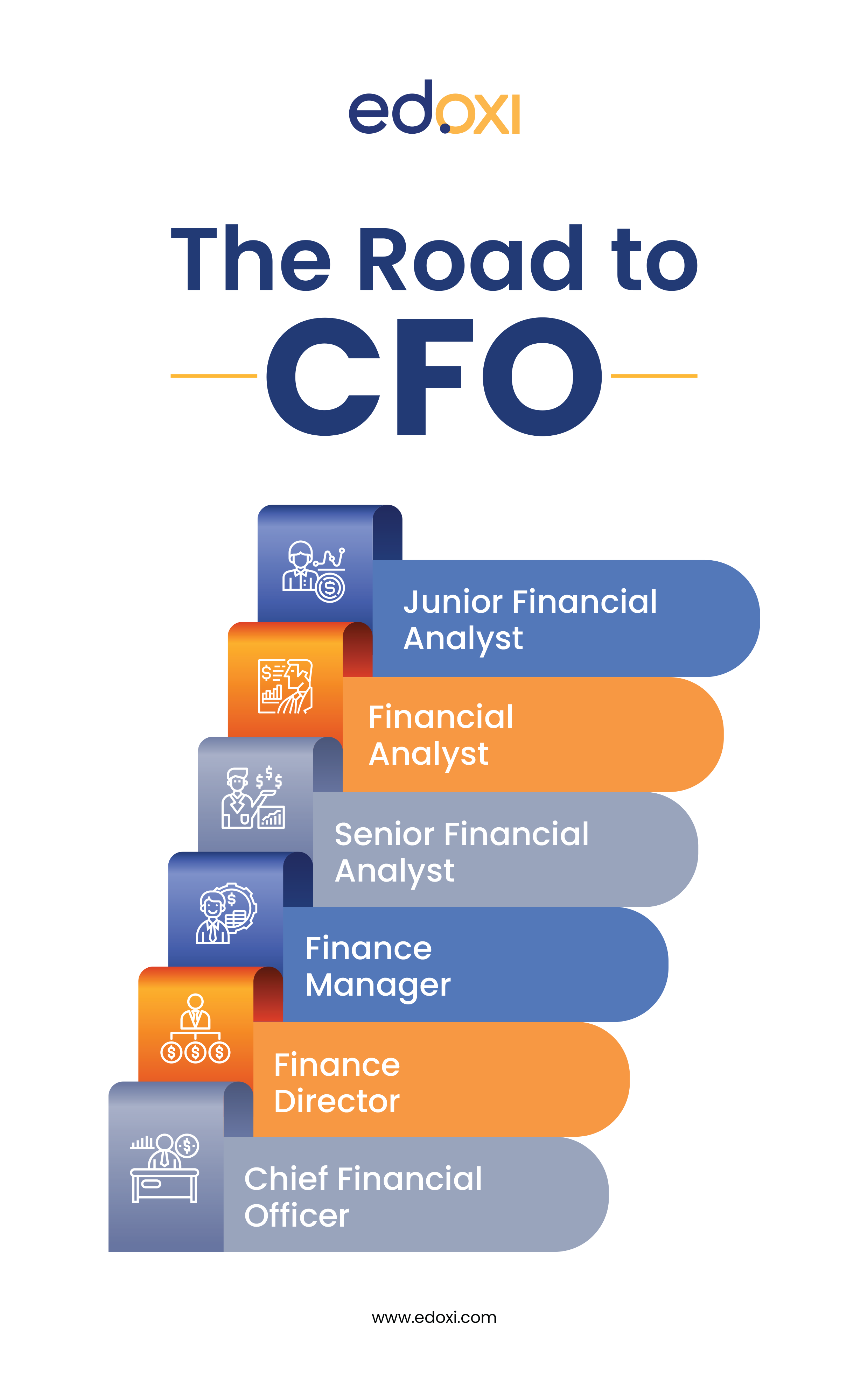
The career path in Qatar for finance jobs ranges from entry-level roles, such as Junior Financial Analyst, to senior positions like Finance Manager and Finance Director as they gain experience and specialised financial expertise.
The financial modelling career path in Qatar is presented in the following infographic:
When you start your career, it's easy to make simple mistakes that could hinder your growth.
Some of the most common mistakes are:
If you can avoid these pitfalls and continue learning, then you can likely find greater career advancement opportunities!
As Qatar proceeds with investments in areas such as infrastructure, property development, energy, and finance, it follows that firms are looking to hire individuals to assess complicated financial information and facilitate the strategic decision-making process.
Doha-based hiring insights show the following factors as the reasons for continuous growth in finance jobs:
|
Key Takeaways According to Deloitte’s Middle East Economic Monitor, Qatar’s economy grew by 2.9% in 2025, with non-oil sectors expanding by 4.4%, highlighting strong growth in industries that require financial planning, modelling, and investment analysis. |
Due to these factors and continuing changes in the types of analytical tools available, financial modelling can undoubtedly become one of the most valuable skills for those pursuing a career in the financial sector within Qatar.
“Great financial models frame the choices, decisions and outcomes business leaders need to consider in times of change." - Vaughan Grandin.
After completing a Financial Modelling course in Qatar, you can apply for roles such as Financial Analyst, FP&A Analyst, Investment Analyst, Corporate Finance Analyst, and Valuation Analyst.
The average Financial Analyst salary in Qatar typically ranges between QAR 8,000 and QAR 15,000 per month, depending on experience, certifications, and industry.
To start a financial modelling career in Qatar, employers look for skills such as advanced Excel, financial statement analysis, budgeting, forecasting, valuation techniques, and scenario analysis. Knowledge of tools like Power BI and financial analytics platforms also improves employability.
Yes, financial modelling is a highly in-demand finance skill in Qatar, especially in sectors like banking, oil & gas, real estate, and consulting.
CMA is a smart choice for aspiring finance professionals as it significantly improves job prospects for financial modelling roles in Qatar. CMA credentials demonstrate advanced expertise in finance, accounting, and strategic financial management.
Fresh graduates can start by completing a financial modelling course, building practical financial models, creating a finance portfolio, and applying for junior roles such as Junior Financial Analyst or FP&A Analyst. Networking and internships also help secure entry-level finance jobs in Qatar.