
Leave your message to get our quick response
edoxi automated message icon

Designing Microsoft Azure Infrastructure (AZ-305) Course in Dubai

A professional Designing Microsoft Azure Infrastructure course setup showing a cloud architect planning Azure resources, virtual networks, security architecture, and cloud infrastructure diagrams on a computer screen in a modern IT workspace.
Edoxi’s 32-hour Designing Microsoft Azure Infrastructure Solutions (AZ-305) course in Dubai equips professionals with expert Azure architecture skills. Learn Azure governance, compute, storage, network security, business continuity, & monitoring. Gian hands-on with VMs, AKS, SQL & Cosmos DB, secure networks, and real-world cloud projects. Enrol now to get prepared for the AZ-305 exam with hands-on workshops and advance your cloud architecture career in Dubai.
 
Course Duration
32 Hours
Corporate Days
4 Days
Learners Enrolled
50+
Modules
11
star-rating-icon1
star-rating-icon2
star-rating-icon3
Course Rating
4.9
star-rating-4.9
Mode of Delivery
Online
Classroom
Certification by

What Do You Learn from Edoxi's Designing Microsoft Azure Infrastructure (AZ-305) Training

Azure Resource Organisation Strategies
Learn to design management groups and subscriptions while implementing effective governance models for enterprise-scale Azure deployments.
Advanced Compute Solution Design
Build scalable VM architectures, containerised solutions with AKS, and serverless applications using Azure Functions and Logic Apps.
Enterprise Data Storage Strategies
Develop optimal storage solutions using Azure SQL, Cosmos DB, and Data Lake, with robust data protection and compliance measures.
Network Security and Governance
Design secure networks using NSGs, Azure Firewall, and Application Gateway, and implement Zero Trust security models with Azure AD.
Business Continuity and Migration
Architect disaster recovery solutions with geo-redundancy and Azure Site Recovery, and plan effective cloud migration strategies.
Monitoring and Integration Solutions
Implement comprehensive logging and monitoring with Azure Monitor and Log Analytics, and design integration patterns across Azure services.

About Our AZ-305: Designing Microsoft Azure Infrastructure Course in Dubai 

Edoxi’s 32-hour Designing Microsoft Azure Infrastructure Solutions (AZ-305) Course in Dubai equips IT professionals with expert skills in Azure architecture, governance, compute, storage, security, and business continuity. AZ-305 corporate training is designed for professionals working with large Azure environments. It focuses on building cloud systems that are secure, scalable, and efficient. 

Participants gain hands-on experience through interactive labs, real-world design projects, and guided workshops that simulate complex cloud deployment challenges. The course is available in flexible formats, including classroom, live online, and customised 4-day corporate training.

The AZ-305 curriculum covers resource organisation, advanced computing, data storage, network security, identity management, monitoring, integration, migration, and business continuity. Designing Microsoft Azure Infrastructure training focuses on hands-on learning with ARM templates, Bicep, infrastructure-as-code, real-world scenarios, and project-based exercises.

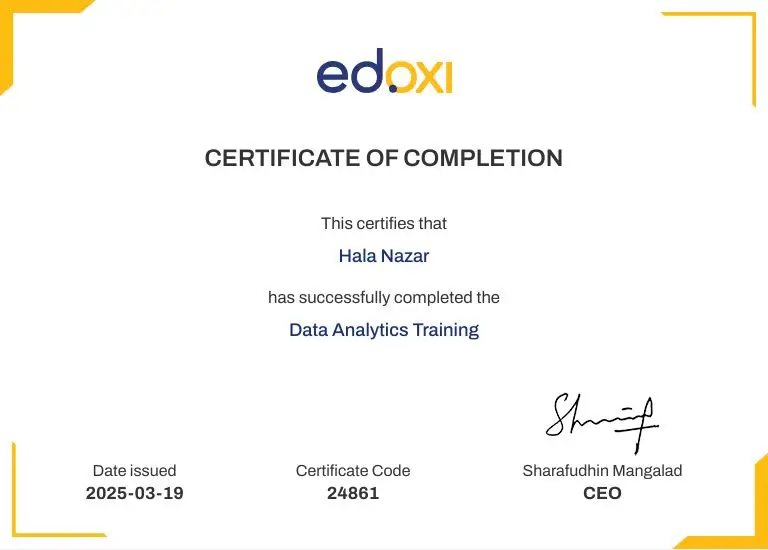
Our Designing Microsoft Azure Infrastructure (AZ-305) course is ideal for IT professionals aiming to advance to expert-level Azure architecture roles. After completing the Designing Microsoft Azure Infrastructure training, you will receive an Edoxi course completion certificate. This credential confirms you are fully prepared for the Microsoft AZ-305 exam and the Azure Solutions Architect Expert certification, a globally recognised standard in cloud architecture.

Enrol now to gain advanced Azure design expertise, enhance your cloud architecture career, and deliver enterprise-grade solutions across industries in Dubai.

To know more about our Designing Microsoft Azure Infrastructure Solutions Course fee in Dubai (depends on requirements), Syllabus and exam fees (which vary by location), contact the Edoxi team.

Designing Microsoft Azure Infrastructure Solutions Exam Details

The Microsoft AZ-305 exam validates your expertise in designing comprehensive Azure infrastructure solutions, including governance, compute, storage, networking, security, and business continuity. The exam details are listed in the table below,

Exam Criteria Details
Exam Code AZ-305
Exam Name
Designing Microsoft Azure Infrastructure Solutions
Duration 2 hours
Number of Questions
40-60, Multiple Choice
Passing Score 70%
Fees
Approximately 165 USD (varies by location)
Certification Validity 1 year
Recertification
Free renewal 6 months before expiry
Exam Administration Authority Pearson

Key Features of Edoxi's Designing Microsoft Azure Infrastructure Solutions (AZ-305) Training

Hands-On Architecture Workshops

Design complete Azure infrastructure solutions for real enterprise challenges through guided, practical workshops.

Microsoft Official Curriculum

Gain access to comprehensive study materials aligned with Microsoft’s latest certification standards and best practices.

Real-World Design Scenarios

Apply Azure architectural principles to complex business cases, including multi-region deployments and hybrid connectivity.

Azure Resource Manager (ARM) Templates

Master infrastructure-as-code using ARM templates and Bicep for automated, consistent, and scalable deployments.

Migration Strategy Development

Develop effective migration plans from on-premises or other cloud platforms to optimised Azure environments.

Integration Design Patterns

Implement best-practice architectural patterns for data integration, monitoring, and business continuity solutions.

Who Can Join Our Designing Microsoft Azure Infrastructure Solutions Course in Dubai?

Certified Azure Administrators

IT professionals who have already achieved AZ-104 certification and want to advance to solution architecture roles.

Senior System Administrators

Experienced administrators looking to enhance their infrastructure design capabilities and cloud architecture skills.

Solutions Designers and IT Consultants

Professionals who advise organisations on technology solutions and need expert-level Azure design knowledge.

Pre-Sales Engineers

Technical sales specialists seeking to design and demonstrate enterprise-grade Azure solutions for clients.

Infrastructure and Network Engineers

Engineers looking to transition from traditional infrastructure management to cloud architecture design.

DevOps Engineers

Practitioners want to integrate infrastructure design principles into their DevOps and automation workflows.

Designing Microsoft Azure Infrastructure Course Modules

Module 01: Design a Governance Solution
  • Chapter 1.1: Resource Organisation Strategy

    • Lesson 1.1.1: Management Groups and Subscriptions
    • Lesson 1.1.2: Structuring Resource Groups Effectively
  • Chapter 1.2: Naming and Tagging Strategy

    • Lesson 1.2.1: Best Practices for Naming Conventions
    • Lesson 1.2.2: Implementing Tagging for Resources
  • Chapter 1.3: Azure Policy and Initiative Definitions

    • Lesson 1.3.1: Creating Azure Policies
    • Lesson 1.3.2: Implementing Policy Initiatives
  • Chapter 1.4: Role-Based Access Control (RBAC)

    • Lesson 1.4.1: Understanding RBAC Roles and Scopes
    • Lesson 1.4.2: Assigning Roles and Managing Access
  • Chapter 1.5: Compliance Requirements

    • Lesson 1.5.1: Defining Compliance Policies
    • Lesson 1.5.2: Implementing Security and Governance Controls
Module 02: Design a Compute Solution
  • Chapter 2.1: Choosing Compute Services

    • Lesson 2.1.1: Virtual Machines (VMs)
    • Lesson 2.1.2: Containers (AKS, ACI)
    • Lesson 2.1.3: App Services and Functions
  • Chapter 2.2: Virtual Machine Scale Sets

    • Lesson 2.2.1: Planning and Configuring Scale Sets
    • Lesson 2.2.2: Autoscaling Strategies
  • Chapter 2.3: Container-Based Solutions

    • Lesson 2.3.1: Designing AKS Solutions
    • Lesson 2.3.2: Deploying ACI for Lightweight Containers
  • Chapter 2.4: App Service Solutions

    • Lesson 2.4.1: App Service Plans and Pricing Tiers
    • Lesson 2.4.2: Using Deployment Slots for Blue-Green Deployments
  • Chapter 2.5: Hybrid Compute Solutions

    • Lesson 2.5.1: Integrating Azure Arc
    • Lesson 2.5.2: Managing Hybrid Workloads
Module 03: Design a Non-Relational Storage Solution
  • Chapter 3.1: Azure Blob Storage

    • Lesson 3.1.1: Understanding Storage Tiers
    • Lesson 3.1.2: Implementing Data Lifecycle Policies
  • Chapter 3.2: Azure Files

    • Lesson 3.2.1: Creating File Shares
    • Lesson 3.2.2: Optimising Performance with Premium Tiers
  • Chapter 3.3: Azure Table Storage

    • Lesson 3.3.1: Structuring Data for Table Storage
    • Lesson 3.3.2: Managing Data Access
  • Chapter 3.4: Azure Cosmos DB

    • Lesson 3.4.1: Designing for Consistency Models
    • Lesson 3.4.2: Partitioning Strategies
    • Lesson 3.4.3: Optimising Performance for Cosmos DB
  • Chapter 3.5: Selecting Non-Relational Databases

    • Lesson 3.5.1: Identifying Use Cases
    • Lesson 3.5.2: Choosing Appropriate Solutions
Module 04: Design a Relational Storage Solution
  • Chapter 4.1: Choosing Relational Database Services

    • Lesson 4.1.1: SQL Database vs SQL Managed Instance
    • Lesson 4.1.2: SQL Server on VMs
  • Chapter 4.2: Business Continuity Strategies

    • Lesson 4.2.1: Implementing Geo-Redundancy
    • Lesson 4.2.2: Setting Up Failover Groups
  • Chapter 4.3: Backup and Recovery

    • Lesson 4.3.1: Backup Strategies for SQL Databases
    • Lesson 4.3.2: Data Recovery Techniques
  • Chapter 4.4: Data Security

    • Lesson 4.4.1: Implementing TDE and Encryption
    • Lesson 4.4.2: Network Rules and Firewalls
  • Chapter 4.5: Performance and Scalability

    • Lesson 4.5.1: Scaling SQL Databases
    • Lesson 4.5.2: Performance Monitoring and Optimisation
Module 05: Design a Data Integration Solution
  • Chapter 5.1: Data Ingestion and Transformation

    • Lesson 5.1.1: Azure Data Factory Pipelines
    • Lesson 5.1.2: Data Transformation Techniques
  • Chapter 5.2: Processing Options

    • Lesson 5.2.1: Batch Processing vs Real-Time Processing
    • Lesson 5.2.2: Selecting Appropriate Tools
  • Chapter 5.3: Event-Driven Data Processing

    • Lesson 5.3.1: Event Grid Integration
    • Lesson 5.3.2: Event Hub and Service Bus
  • Chapter 5.4: Service Integration

    • Lesson 5.4.1: Logic Apps and Azure Functions
    • Lesson 5.4.2: Integrating with External Systems
  • Chapter 5.5: Security and Monitoring

    • Lesson 5.5.1: Securing Data Pipelines
    • Lesson 5.5.2: Monitoring Data Workflows
Module 06: Design an App Architecture Solution
  • Chapter 6.1: Scalable and Resilient Architectures

    • Lesson 6.1.1: Implementing Scalability Patterns
    • Lesson 6.1.2: Designing for High Availability
  • Chapter 6.2: Microservices vs Monoliths

    • Lesson 6.2.1: When to Use Microservices
    • Lesson 6.2.2: Migration Strategies
  • Chapter 6.3: Caching Strategies

    • Lesson 6.3.1: Azure Cache for Redis
    • Lesson 6.3.2: Implementing Caching Patterns
  • Chapter 6.4: Messaging Patterns

    • Lesson 6.4.1: Queue-Based Messaging
    • Lesson 6.4.2: Event-Driven Architecture
  • Chapter 6.5: Serverless Design

    • Lesson 6.5.1: Implementing Serverless Functions
    • Lesson 6.5.2: Managing Serverless Workloads
Module 07: Design Authentication and Authorisation Solutions
  • Chapter 7.1: Azure Active Directory (AAD)

    • Lesson 7.1.1: Implementing AAD B2B/B2C
    • Lesson 7.1.2: Configuring Managed Identities
  • Chapter 7.2: Role-Based Access Control (RBAC)

    • Lesson 7.2.1: Defining Custom Roles
    • Lesson 7.2.2: Implementing Least Privilege Access
  • Chapter 7.3: Key Vault and Secret Management

    • Lesson 7.3.1: Storing Secrets Securely
    • Lesson 7.3.2: Accessing Key Vault from Applications
  • Chapter 7.4: Conditional Access and MFA

    • Lesson 7.4.1: Implementing Conditional Access Policies
    • Lesson 7.4.2: Enforcing Multi-Factor Authentication
Module 08: Design a Logging and Monitoring Solution
  • Chapter 8.1: Azure Monitor and Log Analytics

    • Lesson 8.1.1: Setting Up Log Analytics
    • Lesson 8.1.2: Configuring Metrics and Alerts
  • Chapter 8.2: Application Insights

    • Lesson 8.2.1: Monitoring Application Performance
    • Lesson 8.2.2: Diagnostics and Troubleshooting
  • Chapter 8.3: Centralised Monitoring

    • Lesson 8.3.1: Implementing Cross-Subscription Monitoring
    • Lesson 8.3.2: Integrating with SIEM Solutions
Module 09: Design a Network Infrastructure Solution
  • Chapter 9.1: VNet Architectures

    • Lesson 9.1.1: Planning Virtual Networks
    • Lesson 9.1.2: Subnetting Strategies
  • Chapter 9.2: Network Security

    • Lesson 9.2.1: Configuring NSGs and Route Tables
    • Lesson 9.2.2: Implementing Private Endpoints
  • Chapter 9.3: Hybrid Connectivity

    • Lesson 9.3.1: VPN and ExpressRoute
    • Lesson 9.3.2: Securing Hybrid Networks
Module 10: Design a Business Continuity Solution
  • Chapter 10.1: Backup Strategies

    • Lesson 10.1.1: Azure Backup Implementation
    • Lesson 10.1.2: Data Retention Policies
  • Chapter 10.2: Disaster Recovery

    • Lesson 10.2.1: Configuring ASR
    • Lesson 10.2.2: DR Testing and Validation
  • Chapter 10.3: High Availability

    • Lesson 10.3.1: Zone-Based Deployment
    • Lesson 10.3.2: Multi-Region Setup
Module 11: Design a Migration Solution
  • Chapter 11.1: Workload Assessment

    • Lesson 11.1.1: Azure Migrate Tools
    • Lesson 11.1.2: Identifying Migration Requirements
  • Chapter 11.2: Migration Strategies

    • Lesson 11.2.1: Rehost, Refactor, Rearchitect
    • Lesson 11.2.2: Data and Application Migration
  • Chapter 11.3: Post-Migration Validation

    • Lesson 11.3.1: Testing Migrated Workloads
    • Lesson 11.3.2: Optimising Performance Post-Migration

Download Designing Microsoft Azure Infrastructure Course Brochure

Real-World Projects in Our Designing Microsoft Azure Infrastructure Solutions (AZ-305) Course in Dubai

Our AZ-305: Designing Microsoft Azure Infrastructure course in Dubai blends expert-led training with hands-on projects based on real-world cloud architecture scenarios. Key projects include:

Projects

  • Enterprise Data Integration Design

    Design a comprehensive data integration solution using Azure Data Factory, Event Hubs, and Azure Functions to connect multiple data sources and implement transformation pipelines for a multinational organisation.

  • Monitoring and Logging Architecture

    Develop a complete monitoring strategy using Azure Monitor, Log Analytics, and Application Insights to ensure visibility across cloud resources, applications, and infrastructure components.

  • Business Continuity Framework

    Design a disaster recovery and business continuity solution incorporating geo-redundancy, automated backups, and recovery procedures meeting strict RTO and RPO requirements.

  • Cloud Migration Strategy

    Create a comprehensive migration plan for transitioning on-premises workloads to Azure, including assessment, dependency mapping, migration phases, and post-migration optimisation.

Designing Microsoft Azure Infrastructure Solutions (AZ-305) Outcome and Career Opportunities

By completing our AZ-305: Designing Microsoft Azure Infrastructure Solutions training, you will gain expert-level skills to architect, implement, and manage comprehensive Azure solutions. The other key outcomes include:

Course Outcome Image
Design end-to-end Azure infrastructure solutions covering compute, storage, networking, and security.
Implement effective resource organisation, RBAC, policies, and compliance strategies for enterprise environments.
Develop architectures using VMs, containers, serverless apps, SQL, Cosmos DB, and Data Lake.
Create disaster recovery strategies, geo-redundant setups, and cloud migration plans.
Implement logging, monitoring, and data integration solutions using Azure Monitor, Log Analytics, and Azure Data Factory.
Gain real-world project experience with ARM templates, Bicep, and scenario-based workshops to apply architectural principles.

Job Roles After Completing the Designing Microsoft Azure Infrastructure Training in Dubai

  • Azure Solutions Architect
  • Cloud Infrastructure Engineer
  • DevOps Architect
  • Cloud Solution Engineer
  • Principal Cloud Architect
  • Enterprise Cloud Strategist
  • Cloud Transformation Lead
  • Head of Cloud Architecture

Companies Hiring Designing Microsoft Azure Infrastructure Skilled Professionals in Dubai

  • Microsoft
  • Trasol Software Systems LLC
  • Dicetek LLC
  • VaporVM
  • Emitac Enterprise Solutions
  • VIVADATA
  • Majida Khanam Consultancy LLC
  • LandMark Group
  • Expleo Group
  • Avanade

Designing Microsoft Azure Infrastructure Course Training Options

Classroom Training

  • 32 hours AZ-305: Designing Microsoft Azure Infrastructure Training

  • Expert-Led Architecture Workshops

  • Direct Feedback on Design Decisions

  • Collaborative Solution Development Sessions

  • Real-Time Problem-Solving Exercises

Live Online Training

  • 32 hours online Flexible Session Scheduling Options

  • Remote Collaboration Tools Access

  • Recording Available for Review

  • Study Materials

Corporate Training

  • 4 days Customised Azure Architecture Curriculum

  • Company-Specific Use Case Implementations

  • Training delivered at a selected hotel, client premises, or Edoxi

  • Fly-Me-a-Trainer Option

Do You Want a Customised Training for Designing Microsoft Azure Infrastructure Course?

Get expert assistance in getting you Designing Microsoft Azure Infrastructure Course customised!

How to Get a AZ-305: Designing Microsoft Azure Infrastructure Certification?

Here’s a four-step guide to becoming a Designing Microsoft Azure Infrastructure professional.
Do You Want to be a Certified Professional in Designing Microsoft Azure Infrastructure Course?

Join Edoxi’s Designing Microsoft Azure Infrastructure Course

Why Choose Edoxi for Designing Microsoft Azure Infrastructure Solutions (AZ-305) Course in Dubai?

Edoxi Training Institute is one of the best centers in Dubai for Designing Microsoft Azure Infrastructure Solutions training. Here’s why Edoxi’s Designing Microsoft Azure Infrastructure Solutions (AZ-305) training is the perfect fit for your needs:

Expert Instruction from Certified Professionals

Edoxi's trainers possess extensive Microsoft certifications and industry experience. Our instructors provide authoritative guidance through Azure training.

Practical, Hands-On Learning Approach

Our course emphasises learning by doing with guided practice in the Azure portal. Learners get hands-on experience with every concept.

Flexible Training Options for All Learners

Choose between classroom sessions, live online training, or customised corporate training. Our flexible scheduling accommodates working professionals, with both group and individual (1

Top Corporate Training Portfolio

Edoxi has delivered training for MENA’s leading companies and government entities in various subjects.

Business-Focused Azure Training

We emphasize not just technical aspects but also business applications of Azure. The customised corporate training is designed based on each client’s requirements.

students-image

Edoxi is Recommended by 95% of our Students

Meet Our Mentor

Our mentors are leaders and experts in their fields. They can challenge and guide you on your road to success!

mentor-image

Maria Mehwish

Maria Mehwish is a forward-thinking and knowledgeable information security leader with a strong background in building, updating, and maintaining digital protections for various organisations. As a certified CEH, CCSP, CCT, and CISSP Trainer, Maria has a proven track record of delivering innovative and immersive coursework, enhancing learning experiences for cyber threats, ethical hacking, security policy, DevSecOps, and cloud security. With excellent verbal and written communication skills, she is also adept at troubleshooting problems and building successful solutions.

Maria is a self-motivated individual with a strong sense of personal responsibility, capable of managing projects from start to finish. Her expertise in Amazon Web Services, Java/Go/Python/C++, DevSecOps, computer security, Linux, penetration testing, and risk analysis, among others, makes her a valuable asset to any organisation. Maria, a British national, is a native English speaker and has intermediate proficiency in Urdu.

Locations Where Edoxi Offers Designing Microsoft Azure Infrastructure (AZ-305) Course

Here is the list of other major locations where Edoxi offers Designing Microsoft Azure Infrastructure (AZ-305) Course

FAQ

Is AZ-104 certification mandatory before taking this AZ-305: Designing Microsoft Azure Infrastructure course?

Yes, the AZ-104 Microsoft Azure Administrator certification is a mandatory prerequisite for this course. You should have this certification before enrolling, as it builds on fundamental Azure administration concepts.

How is this AZ-305: Designing Microsoft Azure Infrastructure course different from the AZ-104 Administrator course?

While AZ-104 focuses on implementing and managing Azure resources, AZ-305 emphasises designing architectural solutions. This course teaches you to make high-level design decisions rather than just operational tasks.

What kind of projects will I work on during the AZ-305: Designing Microsoft Azure Infrastructure course?

You'll work on enterprise-grade projects, including designing data integration solutions, creating comprehensive monitoring architectures, developing business continuity frameworks, and planning migration strategies.

Will this AZ-305: Designing Microsoft Azure Infrastructure certification help me get a job in Dubai?

Yes, the Azure Solutions Architect Expert certification is highly sought after in Dubai's job market, particularly in financial services, government, and enterprise technology sectors, implementing cloud transformation initiatives.

How does this Designing Microsoft Azure Infrastructure Solutions (AZ-305) certification compare to other cloud architecture certifications?

The Microsoft Azure Solutions Architect Expert certification is recognised globally and focuses specifically on Azure architecture. It's comparable to AWS's Solutions Architect Professional and Google's Professional Cloud Architect certifications.

Do I need coding experience for learning thisDesigning Microsoft Azure Infrastructure Solutions (AZ-305) course in Dubai?

While not strictly required, familiarity with ARM templates, Bicep, PowerShell, or Azure CLI will be beneficial. The course focuses on architectural decisions rather than extensive coding.

Can you customise this Designing Microsoft Azure Infrastructure Solutions (AZ-305) training for our organisation's Azure environment?

Absolutely. We offer tailored corporate training that incorporates your organisation's specific Azure environment, existing architecture, and business requirements into the training scenarios.

What is the average salary for Azure architecture roles in Dubai?

The table shows average monthly salaries for Azure architecture roles in Dubai, reflecting demand based on experience, certifications, and company scale.

Job Title

Average Monthly Salary (AED)

Cloud Solution Architect (Microsoft)

24,500 – 36,700 AED

Azure Data Architect

27,500 – 46,000 AED

Azure Lead Architect

36,700 – 46,000 AED

Cloud Solution Architect (Microsoft)

36,700 – 55,000 AED