
Leave your message to get our quick response
edoxi automated message icon

Professional Caregiver Course in Dubai

Professional caregiver assisting an elderly woman with compassionate support and care.
Edoxi’s 60-hour KHDA-approved Professional Caregiver Training equip you with in-demand caregiving skills for the UAE healthcare sector. The course provides practical training in essential areas such as personal care assistance, elderly care, dementia support, patient handling, and basic health monitoring. Enrol now to gain expertise to work confidently with home healthcare agencies, assisted living facilities, hospitals, and private families across the UAE.
Course Duration
60 Hours
Corporate Days
10 Days
Learners Enrolled
50+
Modules
10
star-rating-icon1
star-rating-icon2
star-rating-icon3
Course Rating
4.9
star-rating-4.9
Mode of Delivery
Online
Classroom
Certification by
edoxi-accreditation-logo

What Do You Learn from Edoxi's Professional Caregiver Training

Personal Care and Daily Living Support
Learn techniques for assisting with bathing, dressing, grooming, and toileting. Apply dignity-centred care practices that promote client independence while maintaining safety, privacy, and comfort during daily living activities.
Elderly Care and Age-Related Conditions
Develop skills for caring for older adults with common age-related conditions such as diabetes, arthritis, and hypertension. Learn fall prevention methods, safe mobility assistance, and basic elderly health support techniques.
Dementia and Alzheimer's Care
Learn about the progression of dementia and Alzheimer’s disease, effective communication strategies, and behaviour management techniques for symptoms like sundowning, wandering, confusion, and agitation.
Basic Health Monitoring and Emergency Response
Gain skills in measuring and recording vital signs, including temperature, pulse, respiration, and blood pressure. Learn emergency response procedures for falls, choking, and medical distress situations.
Nutrition Support and Meal Assistance
Learn the principles of therapeutic diets for diabetic, cardiac, and elderly individuals. Develop skills in meal planning, meal preparation, feeding assistance, and accommodating cultural dietary preferences common in UAE households.
Cultural Sensitivity and Professional Communication
Understand Emirati cultural values, prayer times, gender considerations, privacy expectations, and family roles. Develop professional communication skills for interacting with clients, families, and healthcare professionals.

About Our Professional Caregiver Course in Dubai

Edoxi Training Institute's Professional Caregiver Training in Dubai focuses on developing practical skills and real-world caregiving competence. The training program spans 60 hours and is designed to meet the growing demand for qualified caregivers in Dubai’s healthcare sector, where home care and assisted living services are expanding rapidly.

This training prepares participants for employment opportunities with home healthcare agencies, assisted living facilities, rehabilitation centres, and private families across Dubai and the United Arab Emirates. The course emphasises hands-on skill development through demonstrations, case studies, and scenario-based learning designed to reflect real caregiving situations.

Dubai’s ageing expatriate population and the increasing preference for home-based care have created strong employment opportunities for trained caregivers. The training also includes cultural competency modules specific to United Arab Emirates environments, covering Emirati customs, cultural expectations, and professional conduct when working in diverse household settings.

Contact Edoxi Training Institute to receive the latest Professional Caregiver course fee details, available corporate training discounts, and flexible payment options for students and working professionals.

Key Features of Edoxi's Professional Caregiver Training

KHDA-Approved Certification for UAE Employment

Our training is approved by the Knowledge and Human Development Authority, ensuring employer recognition across Dubai healthcare facilities and agencies.

Practical Demonstration Sessions

Participate in hands-on demonstrations covering bathing techniques, mobility assistance, vital signs measurement, and feeding support using professional care equipment.

Health and Safety & Infection Control Training

Learn infection prevention and control practices, personal hygiene standards, and basic health and safety procedures to maintain a safe environment for both caregivers and clients.

Cultural Competency for UAE Households

Learn specific protocols for working respectfully with Emirati families, including prayer time considerations, gender roles, dietary customs, and family dynamics.

Real-World Case Study Scenarios

Work through comprehensive case studies involving elderly diabetic patients, Alzheimer's care, post-stroke rehabilitation, and multi-client management in care facilities.

Employment Readiness and Agency Connections

Receive CV preparation guidance, interview coaching, and direct introductions to home healthcare agencies and assisted living facilities hiring qualified caregivers.

Who Can Join Our Professional Caregiver Training in Dubai?

Domestic Workers and Household Staff

Housemaids and domestic helpers seeking formal caregiver certification.

High School Graduates and Fresh Job Seekers

School graduates pursuing entry-level healthcare careers with growing demand.

Family Members Providing Care

Adult children and relatives caring for aging parents or disabled family members.

Career Changers Entering Healthcare

Professionals from hospitality, retail, or service industries transitioning to rewarding caregiving careers.

Healthcare Support Staff

Patient attendants and care assistants formalising skills through structured KHDA-approved training.

Expatriates Seeking UAE Employment

International workers targeting caregiver positions with UAE families, agencies, or facilities.

Professional Caregiver Course Modules

Module 1: Introduction to Professional Caregiving
  • Chapter 1.1: Caregiver Roles and Responsibilities

    • Lesson 1.1.1: Scope of practice for caregivers in UAE healthcare settings
    • Lesson 1.1.2: Daily responsibilities and professional expectations
    • Lesson 1.1.3: Home care versus facility-based caregiving differences
  • Chapter 1.2: Legal and Ethical Considerations

    • Lesson 1.2.1: KHDA and DHA regulatory requirements for caregivers
    • Lesson 1.2.2: Client confidentiality, privacy rights, and informed consent
    • Lesson 1.2.3: Professional boundaries and appropriate relationships
  • Chapter 1.3: Cultural Sensitivity in UAE Healthcare

    • Lesson 1.3.1: Understanding Emirati cultural values and customs
    • Lesson 1.3.2: Respecting prayer times, gender roles, and dietary restrictions
    • Lesson 1.3.3: Working professionally with diverse expatriate populations
Module 2: Communication and Interpersonal Skills
  • Chapter 2.1: Effective Communication Techniques

    • Lesson 2.1.1: Verbal and non-verbal communication strategies
    • Lesson 2.1.2: Active listening and empathy expression
    • Lesson 2.1.3: Communicating with clients who have hearing or speech difficulties
  • Chapter 2.2: Working with Families and Healthcare Teams

    • Lesson 2.2.1: Reporting observations to nurses and physicians
    • Lesson 2.2.2: Managing family expectations and conflicts
    • Lesson 2.2.3: Professional documentation and record keeping
  • Chapter 2.3: Managing Difficult Situations

    • Lesson 2.3.1: Addressing client refusals and resistance to care
    • Lesson 2.3.2: De-escalation techniques for agitated behavior
    • Lesson 2.3.3: Setting and maintaining professional boundaries
Module 3: Personal Care and Activities of Daily Living
  • Chapter 3.1: Bathing and Hygiene Assistance

    • Lesson 3.1.1: Bed baths, shower assistance, and safety protocols
    • Lesson 3.1.2: Hair care, oral hygiene, and grooming techniques
    • Lesson 3.1.3: Maintaining client dignity during personal care
  • Chapter 3.2: Dressing and Toileting Support

    • Lesson 3.2.1: Dressing assistance and adaptive clothing strategies
    • Lesson 3.2.2: Toileting assistance and incontinence management
    • Lesson 3.2.3: Catheter care basics (observation and reporting)
  • Chapter 3.3: Mobility Assistance and Safe Patient Handling

    • Lesson 3.3.1: Proper body mechanics and injury prevention
    • Lesson 3.3.2: Transfer techniques (bed to chair, wheelchair, standing)
    • Lesson 3.3.3: Using mobility aids (walkers, canes, wheelchairs)
  • Chapter 3.4: Skin Care and Pressure Injury Prevention

    • Lesson 3.4.1: Skin assessment and monitoring techniques
    • Lesson 3.4.2: Repositioning schedules and pressure relief
    • Lesson 3.4.3: Wound observation and reporting changes
Module 4: Elderly Care and Common Health Conditions
  • Chapter 4.1: Understanding the Ageing Process

    • Lesson 4.1.1: Physical and cognitive changes with ageing
    • Lesson 4.1.2: Emotional and social aspects of elderly care
    • Lesson 4.1.3: Promoting independence and healthy ageing
  • Chapter 4.2: Common Chronic Conditions

    • Lesson 4.2.1: Diabetes management and blood sugar awareness
    • Lesson 4.2.2: Hypertension and heart disease considerations
    • Lesson 4.2.3: Arthritis, COPD, and respiratory condition basics
  • Chapter 4.3: Fall Prevention and Home Safety

    • Lesson 4.3.1: Identifying fall hazards in home environments
    • Lesson 4.3.2: Environmental modifications and assistive devices
    • Lesson 4.3.3: Emergency response when falls occur
Module 5: Dementia and Alzheimer's Disease Care
  • Chapter 5.1: Understanding Dementia and Cognitive Decline

    • Lesson 5.1.1: Types of dementia and Alzheimer's disease progression
    • Lesson 5.1.2: Memory loss, confusion, and behavioural symptoms
    • Lesson 5.1.3: Impact on families and caregiving challenges
  • Chapter 5.2: Communication Strategies for Dementia Care

    • Lesson 5.2.1: Simplifying language and using clear cues
    • Lesson 5.2.2: Validation techniques and redirection strategies
    • Lesson 5.2.3: Responding to repetitive questions and statements
  • Chapter 5.3: Managing Challenging Behaviours

    • Lesson 5.3.1: Sundowning, wandering, and agitation management
    • Lesson 5.3.2: Identifying triggers and underlying needs
    • Lesson 5.3.3: Creating calm, structured care environments
Module 6: Basic Health Monitoring and Vital Signs
  • Chapter 6.1: Vital Signs Measurement

    • Lesson 6.1.1: Temperature, pulse, and respiration measurement
    • Lesson 6.1.2: Blood pressure monitoring basics
    • Lesson 6.1.3: Recording and reporting vital signs accurately
  • Chapter 6.2: Recognising Health Changes

    • Lesson 6.2.1: Signs requiring immediate medical attention
    • Lesson 6.2.2: Pain assessment and management support
    • Lesson 6.2.3: Documenting and reporting observations
Module 7: Nutrition, Meal Preparation, and Dietary Support
  • Chapter 7.1: Nutritional Needs and Therapeutic Diets

    • Lesson 7.1.1: Elderly nutritional requirements and hydration
    • Lesson 7.1.2: Diabetic, low-sodium, and heart-healthy diets
    • Lesson 7.1.3: Cultural and religious dietary considerations in UAE
  • Chapter 7.2: Feeding Assistance and Meal Support

    • Lesson 7.2.1: Safe feeding positions and aspiration prevention
    • Lesson 7.2.2: Assisting clients with swallowing difficulties
    • Lesson 7.2.3: Encouraging appetite and monitoring intake
  • Chapter 7.3: Meal Planning and Food Safety

    • Lesson 7.3.1: Balanced meal planning principles
    • Lesson 7.3.2: Safe food handling and storage
    • Lesson 7.3.3: Kitchen safety and meal preparation basics
Module 8: Infection Control and Safety Procedures
  • Chapter 8.1: Standard Precautions and Hygiene

    • Lesson 8.1.1: Hand hygiene protocols and infection prevention
    • Lesson 8.1.2: Personal protective equipment (PPE) usage
    • Lesson 8.1.3: Cleaning and disinfection protocols
  • Chapter 8.2: Workplace Safety and Emergency Preparedness

    • Lesson 8.2.1: Fire safety and evacuation procedures
    • Lesson 8.2.2: Preventing healthcare-associated infections
    • Lesson 8.2.3: Emergency supply preparation and protocols
Module 9: Emergency Response and First Aid
  • Chapter 9.1: Basic First Aid Skills

    • Lesson 9.1.1: CPR basics and choking response (Heimlich manoeuvre)
    • Lesson 9.1.2: Managing cuts, burns, and minor injuries
    • Lesson 9.1.3: Emergency contact protocols and calling for help
  • Chapter 9.2: Recognizing Medical Emergencies

    • Lesson 9.2.1: Heart attack and stroke recognition
    • Lesson 9.2.2: Diabetic emergencies and seizure response
    • Lesson 9.2.3: Coordinating with emergency medical services
Module 10: Professional Practice and Self-Care
  • Chapter 10.1: Time Management and Organisation

    • Lesson 10.1.1: Prioritising caregiving tasks efficiently
    • Lesson 10.1.2: Managing multiple client needs and schedules
  • Chapter 10.2: Caregiver Wellness and Stress Management

    • Lesson 10.2.1: Recognising caregiver burnout and fatigue
    • Lesson 10.2.2: Self-care strategies and work-life balance
    • Lesson 10.2.3: Professional development and career advancement

Download Professional Caregiver Course Brochure

Real-World Exercises in the Professional Caregiver Certification Course in Dubai

This caregiver training features structured demonstration sessions with hospital-grade beds, vital signs equipment, mobility aids, and personal care supplies that replicate real home care environments.

Personal Care Assistance Demonstration

Practice bathing techniques, grooming support, and dressing assistance while maintaining client dignity and following infection control standards.

Vital Signs Measurement and Documentation

Perform accurate temperature, pulse, blood pressure, and respiration measurements. Practice recording observations in care logs.

Safe Patient Transfer and Mobility Support

Execute wheelchair transfers, bed mobility assistance, and ambulation support using correct body mechanics and safety protocols.

Dementia Care Communication Role-Play

Practice therapeutic communication techniques, redirection strategies, and behavior management for clients with cognitive impairment.

Emergency Response Simulation

Respond to simulated falls, choking incidents, and medical emergencies using first aid protocols and appropriate escalation procedures.

Meal Assistance and Feeding Support

Demonstrate safe feeding positions, aspiration prevention techniques, and assistance for clients with swallowing difficulties.

Professional Caregiver Course Outcomes and Career Opportunities in Dubai

Professional caregiver training provides a direct entry point into Dubai’s rapidly expanding home healthcare sector, where skilled caregivers are in sustained demand across home care agencies, healthcare facilities, and private households. Key benefits include:

Course Outcome Image
Enhanced care quality and client satisfaction through the application of standardised care practices and patient-centred approaches
Reduced caregiver turnover driven by improved confidence, competency, and job readiness
Stronger regulatory compliance with KHDA and DHA standards, ensuring adherence to local healthcare requirements
Minimisation of safety risks and emergency incidents through proper training in handling critical situations
Improved professional credibility and employer reputation, strengthening trust with clients and stakeholders
Greater operational efficiency and consistency in care delivery across diverse care settings.

Job Roles To Pursue After Completing the Caregiver Course in Dubai

  • Home Caregiver
  • Live-in Caregiver
  • Patient Care Assistant (PCA)
  • Healthcare Assistant
  • Elderly Caregiver / Geriatric Care Assistant
  • Disability Support Worker
  • Post-Hospitalisation Care Assistant
  • Rehabilitation Care Assistant
  • Palliative Care Assistant
  • Dementia Care Assistant

Professional Caregiver Training Options

Online Training

  • 60- hour Caregiver Training

  • Flexible Scheduling for Working Professionals

  • Live Instructor-Led Theory and Video Demonstrations

  • Virtual Case Studies and Interactive Learning

  • Convenient from Home with Full Course Materials

Corporate Training

  • 10-day Caregiver Training in Dubai

  • Hands-On Demonstration Sessions

  • Small Batch Learning with Personalised Attention

  • Hospital-Grade Equipment and Care Supply Practice

  • Weekend and Weekday Batches Available

Do You Want a Customised Training for Professional Caregiver?

Get expert assistance in getting you Professional Caregiver Course Customised!

How to get Professional Caregiver Certification in Dubai?

Here’s a four-step guide to becoming a certified Professional Caregiver professional.
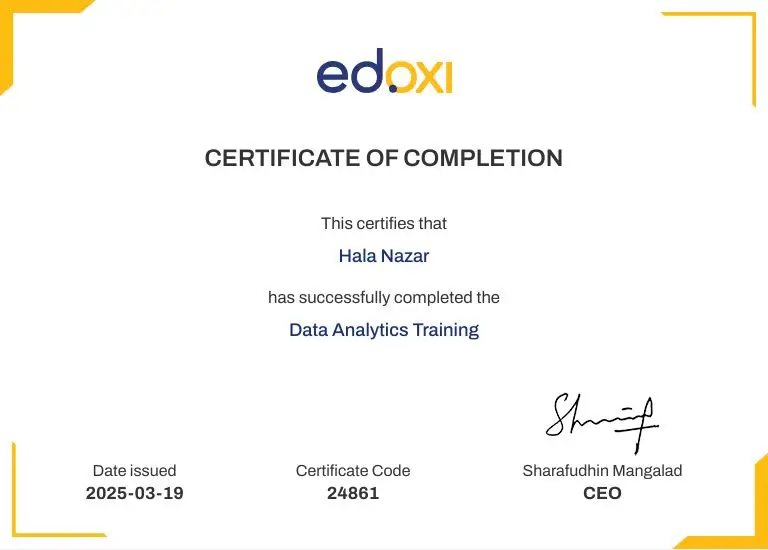
Do You Want to be a Certified Professional in Professional Caregiver?

Join Edoxi’s Professional Caregiver Course

Why Choose Edoxi Training Institute for Professional Caregiver Training in Dubai?

Edoxi Training Institute is a leading professional training institute in Dubai, offering professional courses to individuals and corporates. Here’s why Edoxi is a popular choice for Professional Caregiver Training:

KHDA-Approved Training Provider

Train with a KHDA-licensed institute ensuring compliance with Dubai's educational standards and healthcare training quality requirements.

Expert Healthcare Instructors

Learn from licensed nurses and experienced caregiving professionals with hands-on knowledge of elderly care, dementia support, and UAE healthcare environments.

Cultural Competency Focus

Receive specialised training on Emirati cultural values, household protocols, and professional conduct essential for success in diverse UAE care settings.

Flexible Learning Formats

Choose from weekday evening, weekend, or intensive batches available in both classroom and live online formats to suit diverse learner schedules.

students-image

Edoxi is Recommended by 95% of our Students

FAQ

Is professional caregiver certification recognised in Dubai?
Yes, KHDA-approved caregiver training is fully recognised by Dubai's home healthcare agencies, assisted living facilities, and private employers across the UAE, ensuring eligibility for caregiver jobs.
Do I need healthcare experience for the Dubai caregiver course?
No prior healthcare or caregiving experience is needed. This beginner-friendly course starts with basics and builds practical skills over 6-8 weeks.
Is there a certification exam for the caregiver course in Dubai?
No external exam is required. You get a KHDA-approved completion certificate after finishing all training hours and internal assessments.
Do I need BLS or First Aid for caregiver jobs in the UAE?
Many UAE employers require Basic Life Support (BLS) and First Aid alongside caregiver certification. Edoxi arranges BLS training via certified partners for seamless compliance.
What is the American Caregiver Association (ACA) certification?
The ACA offers the global National Caregiver Certification (NCCC) for $99 USD. This optional credential boosts your resume for international caregiver roles beyond the UAE.
Can I work directly with private families after caregiver training in Dubai?
Yes, graduates often provide elderly care, dementia support, or post-op assistance to UAE families. Edoxi connects you to trusted placement agencies.
Does Edoxi offer job placement for caregiver course graduates?
Yes, Edoxi provides full employment support: CV building, interview prep, and direct intros to Dubai home healthcare and assisted living employers hiring caregivers.
Can full-time workers join the Dubai caregiver course?
Yes, choose evening/weekend batches. The part-time schedule takes 6-8 weeks with just 8 hours weekly.
What is the average caregiver salary in Dubai after certification?
Certified caregivers in Dubai earn AED 3,000–6,000 monthly (AED 36,000–72,000 yearly), depending on experience, employer (agency vs. private), and extras like overtime or live-in roles. Senior caregivers with BLS can hit AED 7,000+.
What are the fees for the KHDA-approved caregiver course in Dubai?
A caregiver training costs AED 1,500–3,000, including materials, KHDA certification, and job support. Flexible payment plans and group discounts are available. Contact us for current pricing.
What career opportunities exist for caregivers in Dubai and the UAE?
High-demand roles include home healthcare aide, elderly caregiver, dementia specialist, and pediatric support in hospitals, nursing homes, or private villas. Growth to supervisor or nurse aide roles is common with 1-2 years' experience.
Is there high demand for caregivers in Dubai right now?
Yes, Dubai's ageing population and expat community drive strong demand. With over 5,000 openings yearly via platforms like Bayt and LinkedIn. KHDA certification fast-tracks hiring amid the UAE's healthcare boom.
Can I get a work visa as a certified caregiver in Dubai?
Yes, UAE employers sponsor visas for certified caregivers. Edoxi assists with documentation; typical requirements include a KHDA cert, a passport, medical fitness, and a clean background check for 2-year renewable visas.
What is the difference between a caregiver and a nurse assistant?
A caregiver mainly assists with daily living activities such as bathing, feeding, mobility, and companionship, while a nurse assistant (CNA) performs basic medical tasks under nurse supervision, such as monitoring vital signs and assisting with clinical procedures.
What job opportunities are available after caregiver certification?
After completing caregiver training, you can work as an Elderly Caregiver, Home Healthcare Assistant, Patient Care Assistant and Disability Support Worker.