Leave your message to get our quick response
edoxi automated message icon

Administering Microsoft Endpoint Configuration Manager Course in Dubai

Professional man working on a laptop in a modern office with digital network graphics overlay.
Edoxi’s 40-hour Administering Microsoft Endpoint Configuration Manager Course in Dubai develops enterprise endpoint management skills, including MECM infrastructure setup, client deployment, application and OS management, software updates, compliance, and Endpoint Protection. Gain hands-on experience through real-world labs such as deploying clients, managing updates, configuring operating systems, and monitoring compliance. Advance your career as a skilled Endpoint Administrator in Dubai. Enrol now.
Course Duration
40 Hours
Corporate Days
5 Days
Learners Enrolled
300+
Modules
13
star-rating-icon1
star-rating-icon2
star-rating-icon3
Course Rating
4.9
star-rating-4.9
Mode of Delivery
Online
Classroom
Certification by

What Do You Learn from Edoxi's Administering Microsoft Endpoint Configuration Manager Training

MECM Infrastructure Components
Understand site server architecture, site systems, and role configurations essential for enterprise MECM deployments. Understand component relationships within the Configuration Manager ecosystem.
Site Types and Hierarchy
Learn to differentiate between Central Administration Site, Primary Site, and Secondary Site in MECM architecture. Determine appropriate hierarchy models based on organisational requirements.
MECM Installation and Setup
Learn to follow systematic procedures for installing MECM in standalone and multi-tier hierarchical environments. Gain expertise in performing hands-on installation exercises for real-world implementation scenarios.
Site System Roles Configuration
Learn to configure critical roles, including Management Points, Distribution Points, and Software Update Points. Implement role-specific settings to optimise performance across your MECM environment.
Boundaries and Client Management
Master designing effective boundary groups to control the client site and implementing various client deployment methods while configuring settings for organisational requirements.
Application Management
Build skills to create and deploy applications using different deployment types with requirements and dependencies. Monitor application installations and troubleshoot deployment issues using built-in tools.
Software Updates Management
Learn to implement update management processes from synchronisation to automated deployment rules creation. Learn to configure update groups and maintenance windows to ensure timely patch deployment.
Operating System Deployment
Gain skills to build reference images and configure task sequences for automated Windows deployments. Learn driver management strategies and user state migration techniques for efficient OS transitions.
Compliance and Endpoint Protection
Establish security baselines and configuration items to assess and remediate compliance. Learn how to implement Endpoint Protection policies to safeguard organisational assets against security threats.
Reporting and Monitoring
Learn to utilise built-in reports and create custom queries for actionable insights about your environment. Configure alerts and status monitoring to proactively address potential operational issues.
Integration and Cloud Attach
Master configuring co-management with Microsoft Intune to leverage both on-premises and cloud management capabilities. Learn to implement cloud-attached features to modernise your endpoint management approach.
Software Metering and Asset Intelligence
Gain proficiency in tracking software usage patterns across your organisation to optimise licensing and identify underutilised applications. Maintain detailed hardware and software inventory information for compliance and planning.

About Our Administering Microsoft Endpoint Configuration Manager Certification in Dubai

Edoxi offers a 40-hour Administering Microsoft Endpoint Configuration Manager course in Dubai to strengthen system administration skills. Our course introduces real-world enterprise workflows used by desktop administrators and system engineers, bridging the gap between learning and professional practice. This program is ideal for IT professionals seeking to build expertise in managing MECM infrastructure. Administering Microsoft Endpoint Configuration Manager corporate training is also available for organisations looking to upskill their IT teams.

Our training covers all key components of the MECM infrastructure. The program places a strong emphasis on hands-on learning, allowing participants to practise in live Configuration Manager environments. Learners deploy clients, manage applications, configure operating system deployments, and handle software updates, compliance settings, and endpoint protection.

By the end of our  Administering Microsoft Endpoint Configuration Manager course, participants gain essential skills in compliance, reporting, and endpoint security, preparing them for senior IT administration roles. These capabilities help organisations improve security posture and enhance IT efficiency.

To learn how our training can benefit you or to discuss Administering Microsoft Endpoint Configuration Manager course fees and customised corporate training options, you can contact us.

Key Features of Edoxi's Administering Microsoft Endpoint Configuration Manager Training

Hands-on Lab Environment

Access fully configured MECM environments to practice infrastructure setup and client management techniques.

Real-world Deployment Scenarios

Work through enterprise-scale implementation challenges that mirror actual workplace requirements.

Comprehensive Study Materials

Receive detailed course manuals covering all aspects of Configuration Manager administration.

PowerShell Automation Exercises

Learn time-saving automation techniques using PowerShell for Configuration Manager tasks.

Software Update Management Workshops

Configure and manage the complete software update lifecycle for enterprise environments.

Endpoint Protection Implementation

Configure security policies and protection features to safeguard organisational endpoints.

Who Can Join Our Administering Microsoft Endpoint Configuration Manager Course in Dubai?

Enterprise Desktop Administrators

IT professionals managing Windows environments who need to implement Configuration Manager at enterprise scale.

System Administrators

Technical staff overseeing Windows infrastructure seeking comprehensive endpoint management capabilities.

IT Support Engineers

Support specialists wanting to enhance technical skills with enterprise-level configuration management tools.

Configuration Manager Specialists

Professionals already working with MECM/SCCM looking to optimise their current implementation.

Technical Consultants

IT consultants advising organisations on systems management and Microsoft endpoint solutions.

Infrastructure Engineers

Technical staff responsible for designing IT infrastructure requiring endpoint management strategies.

Administering Microsoft Endpoint Configuration Manager Course Modules

Module 1: Managing Computers and Mobile Devices in the Enterprise
  • Chapter 1.1: Overview and Core Capabilities

    • Lesson 1.1.1: Overview of systems management using enterprise management solutions
    • Lesson 1.1.2: Overview of the Configuration Manager architecture
    • Lesson 1.1.3: Overview of the Configuration Manager administrative tools
    • Lesson 1.1.4: Tools for monitoring and troubleshooting a Configuration Manager site
  • Chapter 1.2: Hands-on with Configuration Manager

    • Lesson 1.2.1: Exploring the Configuration Manager tools
    • Lesson 1.2.2: Searching in the Configuration Manager console
    • Lesson 1.2.3: Using Windows PowerShell with Configuration Manager
    • Lesson 1.2.4: Using Configuration Manager Service Manager to manage components
    • Lesson 1.2.5: Monitoring site and component status
    • Lesson 1.2.6: Reviewing log files using the Configuration Manager Trace tool
Module 2: Analysing Data Using Queries, Reports, and CMPivot
  • Chapter 2.1: Data Queries and Reporting

    • Lesson 2.1.1: Introduction to queries
    • Lesson 2.1.2: Creating and running queries
    • Lesson 2.1.3: Creating subselect queries
    • Lesson 2.1.4: Configuring SQL Server Reporting Services
    • Lesson 2.1.5: Configuring a reporting services point
  • Chapter 2.2: Real-Time Analysis with CMPivot

    • Lesson 2.2.1: Analysing the real-time state of a device using CMPivot
    • Lesson 2.2.2: Using CMPivot to analyse the current state of devices
Module 3: Preparing the Configuration Manager Management Infrastructure
  • Chapter 3.1: Site Boundaries and Discovery

    • Lesson 3.1.1: Configuring site boundaries and boundary groups
    • Lesson 3.1.2: Configuring resource discovery
  • Chapter 3.2: Organising Resources

    • Lesson 3.2.1: Organising resources using device and user collections
    • Lesson 3.2.2: Creating device and user collections
    • Lesson 3.2.3: Configuring maintenance windows
Module 4: Deploying and Managing the Configuration Manager Client
  • Chapter 4.1: Client Deployment Overview

    • Lesson 4.1.1: Overview of the Configuration Manager client
    • Lesson 4.1.2: Deploying the Configuration Manager client
  • Chapter 4.2: Client Monitoring and Management

    • Lesson 4.2.1: Configuring and monitoring client status
    • Lesson 4.2.2: Managing client settings
    • Lesson 4.2.3: Performing management operations
Module 5: Managing Inventory for PCs and Applications
  • Chapter 5.1: Inventory Collection and Management

    • Lesson 5.1.1: Overview of inventory collection
    • Lesson 5.1.2: Configuring hardware and software inventory
    • Lesson 5.1.3: Managing inventory collection
  • Chapter 5.2: Software Metering and Asset Intelligence

    • Lesson 5.2.1: Configuring software metering
    • Lesson 5.2.2: Configuring and managing Asset Intelligence
    • Lesson 5.2.3: Monitoring license agreements with Asset Intelligence
    • Lesson 5.2.4: Viewing Asset Intelligence reports
Module 6: Distributing and Managing Content Used for Deployments
  • Chapter 6.1: Content Distribution Infrastructure

    • Lesson 6.1.1: Preparing the infrastructure for content management
    • Lesson 6.1.2: Distributing and managing content on distribution points
Module 7: Deploying and Managing Applications
  • Chapter 7.1: Application Lifecycle Management

    • Lesson 7.1.1: Overview of application management
    • Lesson 7.1.2: Creating applications
    • Lesson 7.1.3: Deploying applications
    • Lesson 7.1.4: Managing applications
  • Chapter 7.2: Managing Windows and Superseded Applications

    • Lesson 7.2.1: Deploying and managing Windows apps
    • Lesson 7.2.2: Managing application supersedence
    • Lesson 7.2.3: Uninstalling applications
Module 8: Maintaining Software Updates for Managed PCs
  • Chapter 8.1: Software Updates Management

    • Lesson 8.1.1: The software updates process
    • Lesson 8.1.2: Preparing a Configuration Manager site for software updates
    • Lesson 8.1.3: Managing software updates
    • Lesson 8.1.4: Configuring automatic deployment rules
    • Lesson 8.1.5: Monitoring and troubleshooting software updates
    • Lesson 8.1.6: Enabling third-party updates
Module 9: Implementing Defender Protection for Managed PCs
  • Chapter 9.1: Endpoint Protection and Threat Management

    • Lesson 9.1.1: Overview of Endpoint Protection in Configuration Manager
    • Lesson 9.1.2: Configuring, deploying, and monitoring Endpoint Protection policies
    • Lesson 9.1.3: Configuring and deploying advanced threat policies
Module 10: Managing Compliance and Secure Data Access
  • Chapter 10.1: Configuration and Compliance

    • Lesson 10.1.1: Overview of compliance settings
    • Lesson 10.1.2: Configuring compliance settings
    • Lesson 10.1.3: Viewing compliance results
  • Chapter 10.2: Resource and Data Access Control

    • Lesson 10.2.1: Managing resource and data access
    • Lesson 10.2.2: Managing configuration items and baselines
    • Lesson 10.2.3: Configuring remediation in compliance settings
    • Lesson 10.2.4: Using compliance data to create collections
Module 11: Managing Operating System Deployment
  • Chapter 11.1: OS Deployment Planning and Execution

    • Lesson 11.1.1: Overview of operating system deployment
    • Lesson 11.1.2: Preparing a site for OS deployment
    • Lesson 11.1.3: Deploying an operating system
    • Lesson 11.1.4: Managing Windows as a service
Module 12: Managing and Maintaining a Configuration Manager Site
  • Chapter 12.1: Administration and Maintenance

    • Lesson 12.1.1: Configuring role-based administration
    • Lesson 12.1.2: Configuring Remote Tools
    • Lesson 12.1.3: Configuration Manager site maintenance and Management Insights
    • Lesson 12.1.4: Backing up and recovering a Configuration Manager site
    • Lesson 12.1.5: Updating the Configuration Manager infrastructure
Module 13: What’s New in Microsoft Endpoint Configuration Manager
  • Chapter 13.1: Recent Feature Updates

    • Lesson 13.1.1: New features in Microsoft Endpoint Manager (each semi-annual release)

Download Administering Microsoft Endpoint Configuration Manager Course Brochure

Lab Activities and Practical Sessions in Our Administering Microsoft Endpoint Configuration Manager Training in Dubai

Edoxi’s Administering Microsoft Endpoint Configuration Manager training in Dubai offers hands-on labs to build practical skills in enterprise device management, deployment, and administration. Key lab activities include

Managing Computers and Mobile Devices in the Enterprise

Implement Configuration Manager features to enrol, manage, and support both Windows PCs and mobile devices across an enterprise environment.

Analysing Data Using Queries, Reports, and CMPivot

Create custom queries and real-time CMPivot analyses to retrieve actionable insights from managed devices and improve decision-making.

Preparing the Configuration Manager Management Infrastructure

Design and deploy a robust Configuration Manager hierarchy with site servers, system roles, and boundary groups for scalable enterprise management.

Deploying and Managing the Configuration Manager Client

Use multiple deployment methods to install the client agent and configure settings for seamless communication and policy enforcement.

Managing Inventory for PCs and Applications

Collect and manage hardware/software inventory to maintain visibility into asset usage and support licensing, compliance, and planning decisions.

Distributing and Managing Content Used for Deployments

Configure distribution points and content locations to ensure reliable software delivery and minimise bandwidth usage across remote sites.

Deploying and Managing Applications

Create applications with deployment types, requirements, and detection rules to automate and monitor application installations across devices.

Maintaining Software Updates for Managed PCs / Endpoint Protection

Use Software Update Points and deployment rules to maintain patch compliance and enforce endpoint protection across your device fleet.

Managing Compliance and Secure Data Access

Define configuration baselines and compliance settings to enforce organisational policies and secure access to sensitive corporate resources.

Managing Operating System Deployment

Create task sequences, build reference images, and automate Windows deployment for new or reimaged systems across the enterprise.

Managing and Maintaining a Configuration Manager Site

Monitor site health, perform routine maintenance tasks, and configure alerts to ensure optimal performance and long-term stability of MECM.

Administering Microsoft Endpoint Configuration Manager Course Outcomes and Career Opportunities in Dubai

Completing our Administering Microsoft Endpoint Configuration Manager training in Dubai equips learners with essential enterprise device management and administration skills. By the end of the course, you can

Course Outcome Image
Design and manage MECM infrastructures to support secure, scalable, and efficient enterprise device management.
Deploy and manage clients, applications, operating systems, and updates using structured and automated MECM workflows.
Configure compliance settings, baselines, and Endpoint Protection to enhance organisational security and governance.
Use reporting, queries, and CMPivot to generate real-time insights for proactive troubleshooting and decision-making.
Implement content distribution, boundary groups, and site system roles for optimised performance across distributed environments.
Integrate Configuration Manager with Intune using co-management and cloud attach to support modern hybrid endpoint environments.

Career Advancement After Administering Microsoft Endpoint Configuration Manager Certification

  • Endpoint Administrator
  • System Administrator
  • Desktop Support Engineer
  • IT Infrastructure Engineer
  • Patch Management Engineer
  • MECM/SCCM Consultant
  • IT Operations Lead
  • Configuration Manager Administrator
  • IT Asset Management Specialist
  • Endpoint Security Engineer

Administering Microsoft Endpoint Configuration Manager Training Options

Classroom Training

  • 40 Hours of Microsoft Endpoint Configuration Manager Classroom Training

  • Hands-on Infrastructure Setup Exercises

  • Interactive Group Problem-solving Sessions

  • Dedicated Lab Environment Access

  • Direct Instructor Technical Support

Live Online Training

  • 40 Hours of Live Online Microsoft Endpoint Configuration Manager Training

  • Remote Lab Environment Access

  • Interactive Demonstration Sessions

  • Real-time Instructor Guidance

  • Flexible Schedule Options

Corporate Training

  • 5 Days of Microsoft Endpoint Configuration Manager Corporate Training

  • Customised Content for Organisation Needs

  • Flexible Delivery Options (On-Site / Edoxi Office / Hotel)

  • Fly-Me-a-Trainer Option

  • Food and refreshments provided for corporate teams

Do You Want a Customised Training for Administering Microsoft Endpoint Configuration Manager?

Get expert assistance in getting you Administering Microsoft Endpoint Configuration Manager Course customised!

How To Get an Administering Microsoft Endpoint Configuration Manager Certification in Dubai?

Here’s a four-step guide to becoming a certified Administering Microsoft Endpoint Configuration Manager professional.
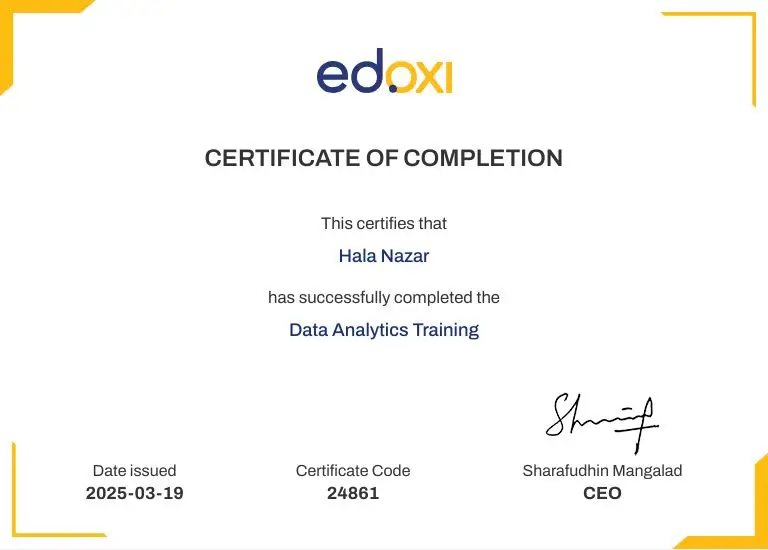
Do You Want to be a Certified Professional in Administering Microsoft Endpoint Configuration Manager?

Join Edoxi’s Administering Microsoft Endpoint Configuration Manager Course

Why Choose Edoxi for Administering Microsoft Endpoint Configuration Manager Training in Dubai?

Edoxi, a leading Microsoft Endpoint Configuration Manager training institute in Dubai, delivers industry-focused programs to meet global IT standards and enterprise demands. Here are the key reasons to choose Edoxi

Training by Certified Experts

Learn from our certified professionals with hands-on experience managing enterprise deployments across leading organisations in the UAE.

Trusted Partner for Endpoint Management Training

We are delivering Microsoft training to over 1,000 professionals across government agencies, banks, and enterprises.

Proven Regional and Global Reach

Edoxi operates across the GCC, including the UAE and Saudi Arabia, with an expanding presence in European markets.

Personalised Learning Experience

Small batch sizes ensure individual attention and tailored guidance to meet unique learner or team requirements.

Industry-Aligned Learning Approach

Our courses reflect real enterprise practices in endpoint management, compliance, and hybrid infrastructure environments using MECM.

Complete Microsoft Endpoint Management Pathway

Structured training pathways covering MECM, Microsoft Intune, and Endpoint Administrator certifications to advance your IT career.

students-image

Edoxi is Recommended by 95% of our Students

Meet Our Mentor

Our mentors are leaders and experts in their fields. They can challenge and guide you on your road to success!

mentor-image

Manish Rajpal

Manish is a passionate Corporate Trainer, AI Consultant, and Cloud Solutions Architect. He empowers clients across the globe to build and maintain highly available, resilient, scalable, and secure solutions, now with a growing emphasis on AI-powered architectures. With over 15,000 professionals trained, Manish specialises in technologies including Amazon Web Services, Microsoft Azure, Microsoft Copilot and GitHub Copilot and increasingly, AI and Machine Learning.

Manish has led research and workshops focused on integrating AI into cloud environments, exploring use cases like intelligent automation, natural language processing, and responsible AI practices.

FAQ

How is this course different from MD-102?
Our Administering Microsoft Endpoint Configuration Manager course in Dubai focuses specifically on enterprise-level Configuration Manager implementation and administration. Unlike MD-102, which covers broad modern desktop administration topics, this training provides deeper, hands-on experience with MECM infrastructure components, deployment strategies, and real-world enterprise scenarios.
What tools and technologies do I work with during the training?
During Edoxi’s Administering Microsoft Endpoint Configuration Manager training in Dubai, participants gain practical experience using Microsoft Endpoint Configuration Manager, Windows Server, SQL Server, WSUS, Microsoft Defender for Endpoint, and PowerShell automation within a fully configured lab environment.
Does this course prepare for any Microsoft certification exams?
Our Administering Microsoft Endpoint Configuration Manager certification training equips participants with comprehensive Configuration Manager skills that contribute directly to preparation for various Microsoft role-based certifications. While not tied to a single exam, the knowledge gained strengthens your professional credentials and expertise in enterprise endpoint management.
Can I implement what I learn immediately in my organisation?
Yes. The Administering Microsoft Endpoint Configuration Manager course emphasizes practical deployment strategies, troubleshooting techniques, and best practices that participants can apply immediately to optimize their organization’s endpoint management environment.
Can Edoxi customize the training for corporate groups?
Absolutely. Our training i can be tailored for corporate teams, focusing on specific aspects of Configuration Manager relevant to the organization’s infrastructure, including custom deployment scenarios and integration with existing systems.
Does the course cover integration with cloud services?
Yes. The training explores co-management with Microsoft Intune and cloud-attached features, equipping participants with a modern, hybrid approach to enterprise endpoint management.
What career advancement opportunities follow this course?
Participants commonly progress into roles such as System Administrator, MECM/SCCM Consultant, or IT Infrastructure Engineer. Experienced professionals often advance to IT Operations Lead positions in enterprise environments.
How does Configuration Manager differ from Intune, and are both covered?
Configuration Manager handles on-premises endpoint management, while Intune focuses on cloud-based management. The Administering Microsoft Endpoint Configuration Manager training covers both technologies and their integration via co-management, providing participants with a complete modern endpoint management skill set.
What salary can you expect in the UAE after completing this course?
The salary of MECM Professionals in Dubai typically ranges between AED 8,000 and AED 20,000 per month, depending on experience, job role, and the complexity of the IT environment you manage.
Are there any prerequisites for enrolling in this course?
Our course has no mandatory prerequisites. However, Edoxi recommends having basic knowledge of the following to get the most out of your training:
 
 
  • Windows System Administration: Experience installing, configuring, and troubleshooting Windows-based operating systems.
  • Active Directory Concepts: Familiarity with AD DS and how it integrates with endpoint management.
  • PowerShell Fundamentals: Understanding basic PowerShell commands for automation and system management.
Which related courses complement this training?

Participants benefit from exploring related courses at Edoxi such as Microsoft 365 Modern Desktop Administrator, Windows Server Administration, Microsoft Azure Administrator, Microsoft Intune Administration, and Microsoft 365 Security Administration, which together provide a comprehensive enterprise IT skill set.

Does the course cover real-world enterprise deployment scenarios?
Yes. Edoxi’s training incorporates practical lab exercises simulating enterprise deployment challenges, enabling participants to apply best practices and problem-solving techniques in realistic environments.
How much hands-on practice does the course include?

Our Administering Microsoft Endpoint Configuration Manager course in Dubai offers extensive hands-on labs, covering infrastructure setup, software deployment, patch management, reporting, and automation using PowerShell to ensure practical, real-world proficiency.

Is the course suitable for IT support professionals looking to specialize?

Absolutely. IT support staff, system administrators, and aspiring endpoint management specialists gain targeted knowledge and skills to advance in roles focused on enterprise Configuration Manager environments.

Does the training cover troubleshooting and performance optimization?
Yes. Participants learn techniques for diagnosing common Configuration Manager issues, optimizing performance, and maintaining system health across large enterprise environments.
Can this course help organizations migrate to modern endpoint management?
Yes. By combining Configuration Manager expertise with cloud co-management knowledge, participants can guide organizations in adopting modern, hybrid endpoint management strategies efficiently and securely.