Request a Callback

+971 4380 1666
 Aug 28, 2026
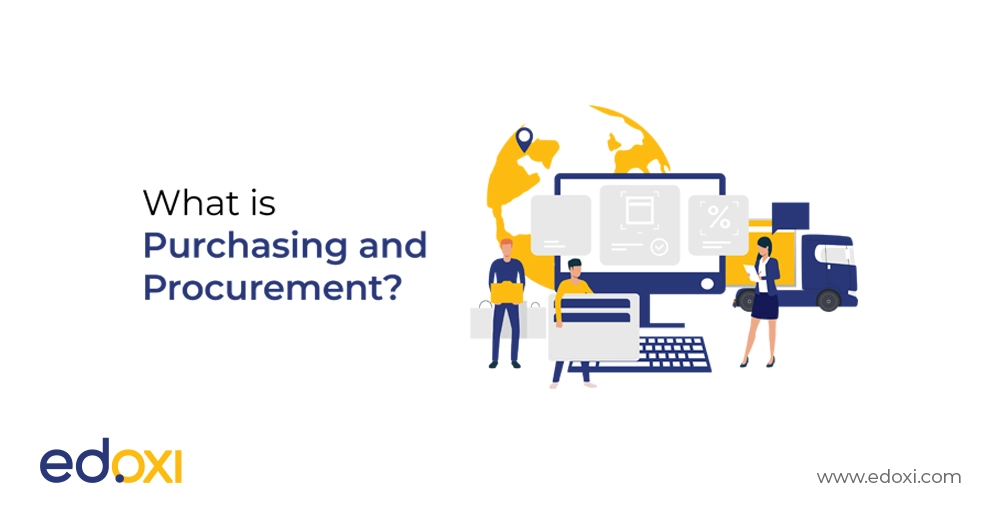
Purchasing and procurement are integral to the operation of any organisation. Purchasing is a component of the larger procurement process. Procurement involves buying products or services to meet immediate operational needs. Procurement is a strategic function that includes planning, sourcing, supplier selection, contract management, purchasing, and supplier performance assessment.
Deloitte’s Global Chief Procurement Officer Survey finds that as organisations deal with economic uncertainty, procurement leaders are increasingly focusing on supplier resilience, data-driven decision-making and environmental, social and governance (ESG) objectives.
Whether you're a student, procurement professional, supply chain specialist, operations manager, finance professional, business owner, or career changer, understanding purchasing and procurement is a valuable skill. This comprehensive guide covers everything you need to know about purchasing and procurement, from fundamental concepts and procurement processes to industry best practices and strategic importance.
Purchasing is the process of buying the goods and services that an organisation needs to operate on a day-to-day basis. It is mainly a transactional activity, starting from the identification of a need by a department and ending with the payment to the supplier. The purchasing process is about getting the right product at the right quality from the right supplier at the right price at the right time. Good purchasing enables organisations to control costs, control inventory levels and ensure business continuity.
Purchasing is the operational part of buying products and services after a supplier is selected. Typically, these activities include:
The purchasing department manages the day-to-day buying activities to ensure purchases are made in accordance with the organisation’s policies and budgets.
| Responsibility | Business Value |
|---|---|
| Identify purchasing requirements | Prevents operational disruptions |
| Obtain supplier quotations | Encourages competitive pricing |
| Issue purchase orders | Authorises purchases efficiently |
| Coordinate deliveries | Ensures timely availability of goods |
| Verify invoices | Supports accurate financial control |
| Maintain purchasing records | Improves compliance and audit readiness |
Good purchasing helps organisations to:
Procurement is the strategic process of acquiring goods, services or works to support an organisation’s objectives. Procurement, unlike buying, refers to the process of all activities before, during and after a purchase. It starts with the identification of business requirements and goes through supplier sourcing, contract negotiation, purchasing, supplier relationship management and performance evaluation.
Procurement is making smart sourcing decisions that help organisations achieve operational excellence and gain a competitive advantage. Procurement adds value by building better supplier relationships, managing supply risk and enabling sustainable business growth, according to the Chartered Institute of Procurement & Supply (CIPS).
Modern procurement impacts organisational performance directly by:
Successful procurement management is a combination of several interrelated activities throughout the procurement lifecycle.
| Procurement Activity | Purpose |
|---|---|
| Demand planning | Identifies business requirements |
| Supplier sourcing | Finds qualified suppliers |
| Supplier evaluation | Assesses quality, capability, and reliability |
| Negotiation | Secures favourable commercial terms |
| Contract management | Ensures contractual compliance |
| Supplier relationship management | Builds long-term partnerships |
| Performance monitoring | Measures supplier performance using KPIs |
| Continuous improvement | Enhances procurement efficiency and value |
Organisations can enhance efficiency, develop supplier relationships, and improve long-term sustainability and value by understanding the differences between purchasing vs procurement.
Purchasing vs Procurement Comparison
| Aspect | Purchasing | Procurement |
|---|---|---|
| Primary focus | Buying goods and services | Strategic acquisition of goods and services |
| Scope | Transactional | Strategic and operational |
| Objective | Meet immediate business needs | Create long-term business value |
| Timeframe | Short-term | Long-term |
| Supplier involvement | Limited to purchasing transactions | Continuous supplier relationship management |
| Contract management | Minimal | Extensive |
| Risk management | Low involvement | High involvement |
| Cost focus | Purchase price | Total Cost of Ownership (TCO) |
| Decision-making | Operational | Strategic |
| Business impact | Supports daily operations | Improves competitiveness and resilience |
Procurement and purchasing are equally important. Purchasing ensures that departments get the goods and services they need, when they need them. Procurement ensures that all purchasing decisions help the organisation achieve its financial, operational and strategic objectives.
Organisations are attempting to improve collaboration and strategic procurement and mitigate risk to build supply chain resilience with the increased complexity of global supply chains.
The procurement process is how an organization identifies an avenue to purchase goods and services most efficiently while meeting quality and compliance standards and the most affordable cost.
Despite the differences in procurement lifecycles from one organisation to the next, most have procurement practices that support transparency, accountability, and the attainment of value.
| Stage | Purpose |
|---|---|
| 1. Identify Business Need | Set budgets and organisational requirements. |
| 2. Define Specifications | Write clear product or service requirements. |
| 3. Source Suppliers | Research the market to find qualified suppliers. |
| 4. Request Quotations or Tenders | Solicit proposals from suppliers. |
| 5. Evaluate Suppliers | Compare Pricing, quality, capability, sustainability, risk |
| 6. Negotiate Contracts | Agree on commercial, legal, and service terms. |
| 7. Issue Purchase Order | Confirm delivery to agreed specifications. |
| 8. Receive Goods or Services | Verify delivery against agreed specifications. |
| 9. Process Payment | Check and pay the full invoice. |
| 10. Review Supplier Performance | Rate supplier performance against agreed KPIs |
McKinsey & Company has reported that companies with more mature procurement capabilities consistently realise better supplier collaboration, stronger resilience and better cost management.
A well-defined procurement process enables organisations to:
The procurement process covers the various stages of purchasing goods and services. The procurement lifecycle carries on with the supplier evaluation, contract renewal and continuous performance improvement.
| Lifecycle Stage | Key Activities |
|---|---|
| Planning | Forecast business requirements and budgets. |
| Sourcing | Identify and assess possible suppliers. |
| Supplier Selection | Select suppliers on the basis of value, capability, quality and risk. |
| Contracting | Evaluate contracts and service agreements. |
| Purchasing | Create purchase orders. Receive goods/services. |
| Supplier Management | Oversee quality, delivery performance and conformance. |
| Performance Review | Review results and identify improvement opportunities |
Strategic procurement connects sourcing decisions to organisational objectives and aims to provide sustainable, long-term value.
Strategic procurement involves:
Best procurement practices can help organisations to improve their efficiency and their relationships with suppliers.
Several trends are changing procurement and supply chain management.
| Trend | Business Impact |
|---|---|
| Artificial Intelligence (AI) | Automates repetitive procurement tasks and enhances decision-making |
| Predictive Analytics | Forecasts demand and supplier risks |
| Sustainable Procurement | Supports ESG goals and responsible sourcing |
| Supplier Collaboration | Encourages creativity and resilience |
| Digital Procurement Platforms | Improves visibility, efficiency, and compliance |
| Cybersecurity | Protects procurement systems and supplier information |
'Sustainable procurement' means embedding environmental, social and governance (ESG) factors such as ISO 20400 into the procurement process and making sure it delivers long-term value. It helps organisations to cut risks, meet compliance requirements and improve their corporate reputation.
“Responsible supply chains can help build sustainable economic growth, increase trust between stakeholders and ensure long-term business resilience,” according to the United Nations Global Compact.
Key principles of sustainable procurement include:
Procurement teams are using Artificial Intelligence (AI), Automation, Cloud-Based Platforms and Advanced Analytics in order to work smarter and make faster, data-driven decisions.
Today’s procurement departments increasingly depend on digital solutions like:
These technologies increase visibility, automate manual tasks and improve compliance across the procurement lifecycle.
Gartner predicts that companies that adopt AI-enabled procurement solutions will improve decision-making, supplier collaboration and operational efficiency in the years to come.
| Technology | Business Benefit |
|---|---|
| Artificial Intelligence (AI) | Automates common purchasing activities |
| Machine Learning | Enhanced supplier and demand forecasting |
| Predictive Analytics | Highlights supplier risks and spending trends |
| Robotic Process Automation (RPA) | Lessen repeated administrative tasks |
| Blockchain | Enhances supply chain visibility and traceability |
| Cloud Procurement Platforms | Facilitates real-time collaboration and reporting |
Procurement looks at the TCO to see the full cost of buying and using a product or service over its whole life cycle.
Modern procurement is about best value, not just lowest price. A total cost of ownership assessment allows organisations to:
One prime example of strategic procurement is Unilever, one of the world’s largest consumer goods companies.
Unilever has been using digital procurement technology and has strengthened its relationship with suppliers, as well as incorporating sustainability into its sourcing strategy, to enhance its supply chain. These initiatives helped Unilever to:
The example illustrates how value can be added to the purchase through good procurement – through operational performance, risk reduction and improved supplier relationships.
Procurement practices vary across each area based on the economic priorities, regulatory environment and sector needs. But digital transformation, sustainability and supply chain resilience are shaping procurement for the world.
The GCC remains buoyant for procurement professionals with demand driven by infrastructure development, aviation, logistics, healthcare, construction, energy and government projects.
Countries like the UAE and Qatar are increasingly looking for professionals with expertise in:
Internationally recognised certifications from recognised centres like Edoxi Training Institute, are highly valued by employers across the region.
London continues to be one of Europe’s largest procurement markets. Professionals in procurement work in manufacturing, healthcare, financial services, retail, technology, and the public sector.
The current priorities are:
Strong analytical skills and procurement certifications are a plus to boost career prospects.
Procurement opportunities are increasing across Africa as governments and private organisations invest in infrastructure, manufacturing, mining, renewable energy, healthcare and agriculture.
With the adoption of digital procurement systems, transparency is improving, procurement fraud is declining and governance in the public and private sectors is being strengthened.
| Region | Major Industries | Key Skills in Demand |
|---|---|---|
| UAE & Qatar | Construction, Aviation, Oil & Gas, Healthcare | Strategic sourcing, Supplier management, Contract management |
| London (UK) | Manufacturing, Retail, Public Sector, Technology | Digital procurement, ESG, Compliance |
| Africa | Infrastructure, Mining, Energy, Agriculture | Procurement governance, Supplier development, Digital procurement |
There are procurement roles in the manufacturing, construction, healthcare, retail, aviation, logistics, technology, energy and government sectors. If you are a fresh graduate, a working professional or looking to change careers, procurement provides excellent opportunities for professional growth and global mobility.
In procurement there are various career paths, each of which has a role to play in a different part of the procurement lifecycle.
| Job Role | Primary Responsibilities | Experience Level |
|---|---|---|
| Purchasing Officer | Reviews purchase orders and oversees daily buying activities. | Entry-level |
| Procurement Executive | Coordinates sourcing, purchasing, and supplier communication | Entry to Mid-level |
| Procurement Analyst | Analyses procurement data and finds potential cost savings opportunities | Mid-level |
| Sourcing Manager | Develops sourcing strategies and evaluates suppliers | Mid-level |
| Category Manager | Purchase of certain categories of products or services | Mid to Senior-level |
| Contract Manager | Manages supplier contracts and compliance | Senior-level |
| Supplier Relationship Manager | Builds strategic supplier partnerships | Senior-level |
| Procurement Manager | Oversee procurement operations and strategy | Senior-level |
| Procurement Director | Manages procurement policies and business strategy | Leadership |
Successful procurement professionals need a combination of business knowledge, analytical skills and interpersonal skills.
Essential Procurement Skills
| Skill | Why It Matters |
|---|---|
| Negotiation | Negotiate favourable pricing and contract terms |
| Strategic sourcing | Identifies suppliers that provide long-term value |
| Supplier relationship management | Improved supplier performance and trust |
| Contract management | Ensures supplier commitments are met |
| Analytical thinking | Supports spend analysis and purchasing planning |
| Communication | Enhances collaboration with suppliers and stakeholders |
| Financial awareness | Supports Total Cost of Ownership and budget assessments |
| Risk management | Limits supply chain disruption |
| Digital literacy | enables the efficient use of e-procurement platforms |
| Problem-solving | Assists informed procurement decisions |
Professional certifications validate procurement expertise and improve career prospects.
| Certification | Awarding Body | Suitable For |
|---|---|---|
| CIPS Qualifications | Chartered Institute of Procurement & Supply (CIPS) | Beginners and experienced professionals |
| CPSM | Institute for Supply Management (ISM) | Procurement and supply chain professionals |
| CPSD | Institute for Supply Management (ISM) | Supplier diversity professionals |
| CPPB | Universal Public Procurement Certification Council (UPPCC) | Public procurement professionals |
| CSCP | Association for Supply Chain Management (ASCM) | Supply chain and procurement professionals |
Procurement salary levels differ by occupation, experience, geography, qualifications. Individuals with related experience and certification in strategic sourcing, supplier relationship, and digital procurement sometimes command higher salaries.
| Country/Region | Entry-Level | Experienced Professional |
|---|---|---|
| UAE | AED 7,000–12,000/month | AED 18,000–35,000+/month |
| Qatar | QAR 6,500–11,000/month | QAR 16,000–30,000+/month |
| United Kingdom | £28,000–£40,000/year | £60,000–£90,000+/year |
| South Africa | ZAR 300,000–500,000/year | ZAR 700,000–1,200,000+/year |
| United States | USD 60,000–80,000/year | USD 100,000–150,000+/year |
Source: LinkedIn. Salary ranges are approximate and vary by employer, location, and experience.
A career in procurement can bring many long-term benefits, including:
With procurement evolving, companies are looking for professionals with expertise in:
Procurement is suitable for professionals from a variety of backgrounds, including:
The right procurement and supply chain training and certification make transitioning into procurement achievable
Professionals considering a transition into purchasing or procurement may benefit from comparing available learning options based on their experience level and career goals. You can explore procurement courses in Dubai and the UAE to understand different certification options, career relevance and learning pathways.
Procurement is increasingly playing a crucial role, but there are plenty of challenges for the procurement professional.
| Challenge | Impact |
|---|---|
| Supply chain problems | Disrupts operations and raises costs |
| Supplier risks | Impacts quality and business continuity |
| Increasing procurement costs | Decreases profitability |
| Legal compliance | Needs constant monitoring and recording |
| Sustainability criteria | Adds layers to supplier evaluation |
| Cybersecurity risks | Creates risks for digital procurement systems |
| Region | Market Characteristics | Career Opportunities |
|---|---|---|
| UAE & Qatar | Infrastructure, aviation, logistics, healthcare, energy | Great demand for certified procurement professionals |
| Wider GCC | Government projects, manufacturing, oil and gas | Strong appetite for strategic sourcing expertise |
| London (UK) | Public procurement, manufacturing, retail, technology | Opportunities for sustainable, compliant and digital procurement |
| Africa | Infrastructure, mining, agriculture, renewable energy | Increasing demand for procurement governance and supplier development |
Procurement is moving towards being a more digital, data-driven and strategic function that can deliver a competitive advantage rather than merely manage costs.
Key trends shaping procurement include:
These tips may be useful whether you are starting out in your procurement career or looking to improve your organisation’s procurement practices:
Procurement and purchasing certification course are fundamental business functions that allow organisations to acquire the resources they need to function successfully. Purchasing is about executing specific buying transactions. Procurement is a more strategic function covering sourcing, supplier management, contracts, risk and value creation over time.
As organisations continue to grapple with global supply chain issues, procurement professionals are emerging as key enablers of business resilience, sustainability and innovation. The use of artificial intelligence, automation and data analytics is also changing procurement into a technology-based strategic profession.
Whether you’re a student looking at career opportunities, a professional wanting to upskill or a business looking to improve procurement performance, understanding purchasing and procurement is the first step towards achieving operational excellence. Such a combination of on-the-job experience and the completion of sought-after procurement and supply chain training and certifications from established training centres such as Edoxi Training Institute can lead to a promising career trajectory in a range of industries around the globe.