Leave your message to get our quick response
edoxi automated message icon

Airport Operations Course

A professional airport operations specialist wearing a high-visibility safety vest and hard hat, standing in an aircraft hangar while inspecting a commercial airplane, representing airport operations and aviation ground services training.
Edoxi’s 50-hour Airport Operations Course builds practical expertise in airside and landside operations, emergency response, and airport management. Delivered online via Cisco Webex, the training offers flexible, interactive learning with real-world case studies and projects. Gain hands-on skills in capacity management, A-CDM, and stakeholder coordination while preparing for Airport Operations Certification. Develop industry-ready expertise to manage airport operations and advance your aviation career. Enrol now.
Course Duration
50 Hours
Corporate Days
6 Days
Learners Enrolled
50+
Modules
6
star-rating-icon1
star-rating-icon2
star-rating-icon3
Course Rating
4.9
star-rating-4.9
Mode of Delivery
Online
Certification by
edoxi-accreditation-logo

What Do You Learn from Edoxi's Airport Operations Training

Operational Functions and Airport Infrastructure Management
Master airside and landside operational workflows and facility management. Understand terminal operations, runway systems, taxiways, and ground equipment coordination.
Rescue, Firefighting, and Emergency Response Services
Understand Airport Emergency Plans and firefighting procedures for incidents. Master emergency response coordination with airlines, authorities, and rescue providers.
Airport Issues, Challenges, and Operational Constraints
Gain expertise in capacity limitations, congestion management, and disruption handling. Navigate challenges, including weather delays, security incidents, and maintenance.
Future of Airports and Aviation Industry Trends
Develop proficiency in sustainable aviation practices and green airport initiatives. Understand passenger experience trends, biometrics, automation, and compliance.
Technological Developments and Smart Airport Solutions
Learn Airport Collaborative Decision Making and digital systems. Master IoT sensors, automated systems, analytics, and processing innovations.
Stakeholder Coordination and Service Level Management
Learn effective collaboration with airlines, handlers, and authorities. Manage service agreements, performance monitoring, and excellence standards.

About Our Online Airport Operations Certification Course

Edoxi’s 50-hour online Airport Operations Course is designed to build practical airport management and operational skills aligned with current aviation industry requirements. The training is ideal for aspiring airport operations professionals, aviation managers, and individuals seeking industry-recognised credentials in airport operations. Airport Operations corporate training is also available for organisations, helping teams strengthen expertise in operational workflows, emergency response, capacity management, and stakeholder coordination across aviation environments.

The Airport Operations Training follows a structured curriculum covering airside and landside operations, emergency planning, A-CDM systems, sustainability, and modern airport technologies. The training program prepares you for the Airport Operations Certification, helping you confidently take and pass the exam.

Airport Operations Certification Exam Details

The Airport Operations Certification evaluates knowledge in airport operations, safety, and infrastructure management. The table below provides key details of the exam:

Test Criteria Details
Test Name IATA Airport Operations Fundamentals Exam
Duration 3 hours
Score Range minimum 60% to pass, 90% for distinction
Test Format Online exam with remote supervision (OERS);
Fees ~USD 545–600
Score Validity No official expiry; the IATA Airport Operations certificate is treated as a permanent professional credential
Test Administration Authority International Air Transport Association (IATA), via Online Exams with Remote Supervision

By completing the Airport Operations Course, participants gain practical skills in operational planning, emergency coordination, capacity management, and performance optimisation. The training supports career opportunities across airlines, airport authorities, and aviation service providers within the global aviation sector.

The course is suitable for individuals with basic aviation knowledge and intermediate English proficiency, with no prior airport management experience required. The online training format via Cisco Webex provides flexibility for working professionals and students.

To enquire about Airport Operations course fees, contact the Edoxi team.

Key Features of Edoxi's Airport Operations Training

Flexible One-to-One or Small Batch Training Options

Choose personalised individual sessions or collaborative small group environments. Both formats ensure focused attention and customised pacing.

Adaptable Scheduling for Working Aviation Professionals

Select weekday evening or weekend timings fitting operational shifts. Training designed for convenience without compromising learning quality.

Customisable Curriculum Based on Participant Requirements

Course content adapted to specific career goals and interests. Focus areas adjusted for airport operator, airline, or authority roles.

Adjustable Content Depth for Different Experience Levels

Training intensity is modified for beginners or experienced operations staff. Module complexity scaled to match existing knowledge and objectives.

Activity Customisation for Individual and Group Sessions

Practical cases tailored for solo learners or collaborative scenarios. Simulations and exercises are adapted to the session format and backgrounds.

Comprehensive Study Materials and Exam Resources

Access to official course books, practice exams, and materials. Complete preparation support for successful certification exam completion.

Who Can Join Our Online Airport Operations Course

Aviation Graduates and Fresh Job Seekers

Aviation management graduates targeting airport operations career paths.

Airport Staff Seeking Professional Development

Current airport employees wanting formal operations management credentials.

Airline Operations Personnel Transitioning Roles

Airline staff moving to airport operations and coordination positions.

Engineering and Facilities Management Professionals

Technical professionals entering aviation infrastructure and airport facilities management.

Emergency Services and Safety Personnel

Firefighters and emergency responders specialising in aviation rescue operations.

Business Professionals Entering the Aviation Sector

Managers and professionals from other industries pursuing airport management careers.

Airport Operations Course Modules

Module 1: Operational Functions of the Airport
  • Chapter 1.1: Airport Organisation and Governance

    • Lesson 1.1.1: Airport ownership models and governance structures
    • Lesson 1.1.2: Organisational hierarchy and departmental functions
    • Lesson 1.1.3: Regulatory framework and compliance requirements
    • Lesson 1.1.4: Stakeholder relationships and coordination
  • Chapter 1.2: Airside Operations Management

    • Lesson 1.2.1: Runway systems, taxiways, and movement areas
    • Lesson 1.2.2: Aircraft parking stands and apron management
    • Lesson 1.2.3: Airside vehicle operations and safety zones
    • Lesson 1.2.4: Air traffic control coordination and procedures
  • Chapter 1.3: Landside Operations and Terminal Management

    • Lesson 1.3.1: Terminal facilities and passenger processing areas
    • Lesson 1.3.2: Check-in, security, immigration, and customs zones
    • Lesson 1.3.3: Baggage handling systems and claim areas
    • Lesson 1.3.4: Ground transportation and parking facilities
  • Chapter 1.4: Support Services and Infrastructure

    • Lesson 1.4.1: Ground service equipment and maintenance
    • Lesson 1.4.2: Fueling operations and refuelling procedures
    • Lesson 1.4.3: Aircraft cleaning and catering services
    • Lesson 1.4.4: Utilities management (power, water, HVAC systems)
Module 2: Rescue, Firefighting, and Emergency Support Services (10 hours)
  • Chapter 2.1: Airport Emergency Planning and Preparedness

    • Lesson 2.1.1: Airport Emergency Plan (AEP) development
    • Lesson 2.1.2: Emergency response organisational structure
    • Lesson 2.1.3: Coordination with external emergency services
    • Lesson 2.1.4: Emergency drills and exercises
  • Chapter 2.2: Aircraft Rescue and Firefighting (ARFF)

    • Lesson 2.2.1: ARFF category requirements and capabilities
    • Lesson 2.2.2: Firefighting vehicles and specialised equipment
    • Lesson 2.2.3: Aircraft fire scenarios and suppression techniques
    • Lesson 2.2.4: Hazardous materials and fuel fire management
  • Chapter 2.3: Emergency Response Procedures

    • Lesson 2.3.1: Incident command systems and activation protocols
    • Lesson 2.3.2: Aircraft accidents and serious incidents response
    • Lesson 2.3.3: Medical emergencies and casualty management
    • Lesson 2.3.4: Search and rescue operations coordination
  • Chapter 2.4: Business Continuity and Crisis Management

    • Lesson 2.4.1: Crisis communication and media management
    • Lesson 2.4.2: Passenger welfare and family assistance
    • Lesson 2.4.3: Airport recovery and resumption procedures
    • Lesson 2.4.4: Post-incident investigation and reporting
Module 3: Airport Issues and Operational Challenges (8 hours)
  • Chapter 3.1: Capacity Management and Congestion

    • Lesson 3.1.1: Airport capacity constraints and bottlenecks
    • Lesson 3.1.2: Slot management and allocation procedures
    • Lesson 3.1.3: Peak hour management and demand forecasting
    • Lesson 3.1.4: Infrastructure expansion planning
  • Chapter 3.2: Weather and Environmental Challenges

    • Lesson 3.2.1: Weather impact on airport operations
    • Lesson 3.2.2: Snow and ice removal procedures
    • Lesson 3.2.3: Fog operations and low visibility procedures
    • Lesson 3.2.4: Environmental noise management programs
  • Chapter 3.3: Security and Safety Challenges

    • Lesson 3.3.1: Aviation security threats and vulnerabilities
    • Lesson 3.3.2: Wildlife hazard management and bird strikes
    • Lesson 3.3.3: Foreign object debris (FOD) prevention
    • Lesson 3.3.4: Safety Management Systems (SMS) implementation
  • Chapter 3.4: Operational Disruptions and Irregularities

    • Lesson 3.4.1: Flight delays and cancellation management
    • Lesson 3.4.2: Aircraft diversions and emergency landings
    • Lesson 3.4.3: Ground equipment failures and service disruptions
    • Lesson 3.4.4: Passenger compensation and rights compliance
Module 4: The Future of Airports and Aviation Trends (8 hours)
  • Chapter 4.1: Sustainable Aviation and Green Airports

    • Lesson 4.1.1: Carbon neutrality and emissions reduction targets
    • Lesson 4.1.2: Renewable energy implementation in airports
    • Lesson 4.1.3: Waste management and recycling programs
    • Lesson 4.1.4: Green building certifications and practices
  • Chapter 4.2: Passenger Experience and Service Innovation

    • Lesson 4.2.1: Contactless travel and seamless journey concepts
    • Lesson 4.2.2: Biometric passenger processing systems
    • Lesson 4.2.3: Personalised passenger services and apps
    • Lesson 4.2.4: Airport retail and commercial innovation
  • Chapter 4.3: Airport Planning and Development Trends

    • Lesson 4.3.1: Modular terminal design concepts
    • Lesson 4.3.2: Multi-airport system planning
    • Lesson 4.3.3: Smart infrastructure and resilience
    • Lesson 4.3.4: Urban air mobility integration
Module 5: Technological Developments in Airport Operations (10 hours)
  • Chapter 5.1: Airport Collaborative Decision Making (A-CDM)

    • Lesson 5.1.1: A-CDM concepts and implementation framework
    • Lesson 5.1.2: Information sharing platforms and protocols
    • Lesson 5.1.3: Collaborative pre-departure sequencing
    • Lesson 5.1.4: Performance measurement and optimisation
  • Chapter 5.2: Airport Digital Transformation

    • Lesson 5.2.1: Airport operations management systems
    • Lesson 5.2.2: Internet of Things (IoT) sensors and monitoring
    • Lesson 5.2.3: Big data analytics and artificial intelligence
    • Lesson 5.2.4: Cybersecurity for airport systems
  • Chapter 5.3: Automation and Robotics in Airports

    • Lesson 5.3.1: Automated passenger processing technologies
    • Lesson 5.3.2: Self-service check-in and bag drop systems
    • Lesson 5.3.3: Robotic cleaning and maintenance equipment
    • Lesson 5.3.4: Autonomous vehicles and equipment
  • Chapter 5.4: Communication and Information Systems

    • Lesson 5.4.1: Aeronautical Information Management (AIM)
    • Lesson 5.4.2: Flight information display systems (FIDS)
    • Lesson 5.4.3: Airport wireless and network infrastructure
    • Lesson 5.4.4: Mobile applications and passenger communication
Module 6: Stakeholder Management and Performance Excellence (4 hours)
  • Chapter 6.1: Airline and Ground Handler Relationships

    • Lesson 6.1.1: Service level agreements and contracts
    • Lesson 6.1.2: Turnaround time optimisation
    • Lesson 6.1.3: Quality assurance and performance monitoring
    • Lesson 6.1.4: Commercial negotiations and partnerships
  • Chapter 6.2: Regulatory Compliance and Standards

    • Lesson 6.2.1: ICAO Annexes and recommended practices
    • Lesson 6.2.2: National civil aviation authority requirements
    • Lesson 6.2.3: Airport certification and licensing
    • Lesson 6.2.4: Audit and inspection procedures

Download Airport Operations Course Brochure

Real-World Projects and Case Studies in Airport Operations Course

Edoxi’s online Airport Operations course features the following practical problem-solving sessions through projects, case studies, and interactive operational exercises.

Projects

  • Airport Emergency Response Plan Development

    Develop a comprehensive Airport Emergency Plan (AEP) for a medium-sized airport, including organisational structure, response procedures, communication protocols, and coordination mechanisms.

  • Capacity Optimisation and Congestion Management

    Analyse airport capacity constraints during peak hours and develop operational strategies to optimise throughput.

  • Sustainable Airport Operations Initiative

    Design a sustainability program for airport operations, including carbon reduction targets, renewable energy integration, waste management, and environmental compliance.

Case Studies

  • Technology Implementation for Operational Excellence

    Study airport's implementation of A-CDM and digital transformation initiatives resulting in 15% improvement in on-time performance.

  • Major Operational Disruption Management

    Analyse a real-world case of severe weather causing widespread flight cancellations and airport congestion.

Airport Operations Course Outcomes and Career Opportunities

Completing our online Airport Operations training equips you with advanced competencies in airport operations, safety, and infrastructure management. By the end of the course, here are the major outcomes you can achieve:

Course Outcome Image
Enhance operational efficiency and improve on-time performance by applying structured airport operations management techniques and best practices.
Develop strong emergency preparedness and response capabilities, enabling effective handling of incidents, crises, and airport disruptions.
Strengthen regulatory compliance and safety standards by aligning operations with international aviation guidelines and industry requirements.
Optimise airport capacity utilisation and manage congestion through strategic planning, demand forecasting, and operational coordination.
Improve stakeholder coordination and service delivery by effectively collaborating with airlines, ground handlers, and regulatory authorities.
Promote sustainability and cost efficiency by implementing environmentally responsible practices and optimising operational processes.

Career Opportunities After Airport Operations Certification

  • Airport Operations Officer
  • Ground Operations Executive
  • Airport Duty Manager
  • Airside Operations Specialist
  • Emergency Response and Safety Officer
  • Aviation Security Officer
  • Airport Customer Service Manager
  • Airport Planning and Development Executive
  • Sustainability and Environmental Officer
  • Aviation Operations Analyst

Airport Operations Training Options

Corporate Online Training

  • 50-hour online Airport Operations corporate training

  • Live Instructor-Led Emergency Response Demonstrations

  • Flexible Weekday / Weekend Scheduling

  • Custom Batch Timing for Airport/Airline Teams

  • Team-Based Operational Planning Activities

Corporate Offline Training

  • 50-hour Airport Operations corporate training

  • Customised Curriculum Based on Airport/Airline Needs

  • Team-Based Operations & Emergency Management Activities

  • Industry-Relevant Airport Operational Workflows

  • Flexible Delivery Options (On-Site / Edoxi Office / Airport Facility)

  • Fly-Me-a-Trainer Option

Do You Want a Customised Training for Airport Operations ?

Get expert assistance in getting you Airport Operations Course customised!

How to Get an Airport Operations Certification?

Here’s a four-step guide to becoming a certified Airport Operations professional,
Do You Want to be a Certified Professional in Airport Operations ?

Join Edoxi’s Airport Operations Course

Why Choose Edoxi for the Airport Operations Training?

Edoxi, a leading Aviation Training Institute, delivers industry-focused programmes designed to meet global airport operations and aviation management standards. Here are the key reasons to choose Edoxi:

Comprehensive Aviation Training Portfolio for Further Learning

Edoxi offers Passenger Ground Services, Travel & Tourism, and other IATA courses. Progress to specialised aviation certifications, building comprehensive expertise in airport management.

Experienced Aviation Industry Trainers

Our trainers possess extensive airport and airline operations experience. They bring practical knowledge from working with airports, airlines, and authorities.

Global Presence Across Multiple Countries

Edoxi operates training centres in Dubai, Doha, London, Sydney, and Kuwait. Access internationally recognised aviation training with global networking and career opportunities.

Diverse Corporate Client Portfolio Across Sectors

Edoxi has trained employees from government entities, enterprises, and SMEs. Corporate clients include airlines, airport authorities, ground handlers, and service providers.

students-image

Edoxi is Recommended by 95% of our Students

Locations Where Edoxi Offers Airport Operations Course

Here is the list of other major locations where Edoxi offers Airport Operationse Course

FAQ

Do I need airport management experience to join this course?

No. The Airport Operations Course by Edoxi starts with basic airport concepts and builds to advanced topics, making it suitable for beginners.

How is the online Airport Operations training delivered?

Edoxi delivers Airport Operations Training through live virtual classes. Sessions include real-time interaction, case studies, and practical exercises.

What skills do I gain from this Airport Operations course?

The Airport Operations Course covers airside and landside operations, emergency planning, A-CDM, capacity management, stakeholder coordination, and regulatory compliance.

When can I take the Airport Operations certification exam?

 The Airport Operations Certification exam takes place six times a year: January, March, May, July, September, and November. Registration happens after course completion.

Is this certification recognised globally?
Yes. Airport Operations Certification from Edoxi is recognised by airports, airlines, and aviation organisations worldwide.
Can I choose flexible class timings?

Yes. Edoxi offers weekday evening and weekend options for Airport Operations Training, suitable for working professionals and students.

What is the exam format and passing score?

The Airport Operations Certification exam includes 100 multiple-choice questions with a 3-hour duration. A minimum of 60% is required to pass, and 90% for distinction.

How much does the certification exam cost?

The Airport Operations Certification exam fee is USD 546 (approx. AED 2050). This includes the exam access and official study materials.

What career opportunities are available after certification?
 After completing the Airport Operations Course by Edoxi, roles include airport operations officer, airside coordinator, duty manager, and airport manager.
Does the course cover both airside and landside operations?

Yes. The Airport Operations Course covers airside operations such as runways and aircraft movement, and landside operations including terminals and passenger processing.

What is the duration of the Airport Operations course?

The Airport Operations Course by Edoxi includes 50 hours of structured training delivered through scheduled sessions.

Is the Airport Operations training suitable for fresh graduates?

Yes. Airport Operations Training by Edoxi is suitable for fresh graduates, job seekers, and professionals looking to enter the aviation industry.

What is the approximate salary after completing this certification globally?

After completing the Airport Operations Certification, entry-level salaries range from USD 25,000 to USD 45,000 per year globally, depending on location and role, with higher growth potential in international airports.

Does the course include practical training or real-world scenarios?

Yes. Airport Operations Course by Edoxi includes case studies, simulations, and real-world scenarios to build practical aviation skills.

Do I receive a certificate after completing the training?

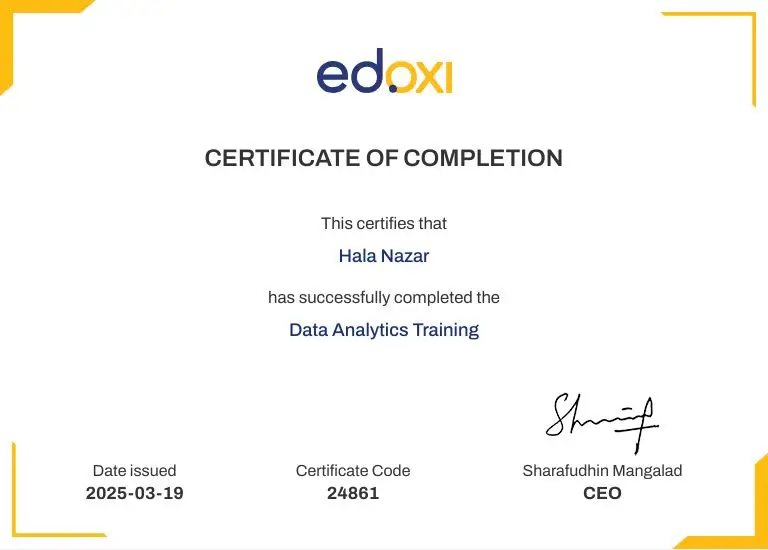
Yes. Upon successful completion of the Airport Operations Training, Edoxi provides a course completion certificate, followed by the official certification after passing the exam.