
Leave your message to get our quick response
edoxi automated message icon

Medical Coding Course in Dallas, Texas

A professional medical coding specialist working on a laptop in a clinical laboratory environment, reviewing healthcare data and patient records
Edoxi’s 80-hour Medical Coding training in Dallas, Texas, is designed to prepare you for the CPC certification exam and build professional healthcare coding expertise. Gain in-depth instruction in ICD, CPT, and HCPCS systems, along with medical terminology, anatomy, and billing procedures. Earn a recognized credential and advance your career in hospitals, clinics, insurance companies, and remote healthcare roles. Enroll now to build medical coding skills and advance your healthcare career in Dallas, Texas.
Course Duration
80 Hours
Corporate Days
10 Days
Learners Enrolled
100+
Modules
3
star-rating-icon1
star-rating-icon2
star-rating-icon3
Course Rating
4.9
star-rating-4.9
Mode of Delivery
Online
Certification by

What Do You Learn from Edoxi's Medical Coding Training

Medical Coding Systems
Develop in-depth proficiency in ICD, CPT, and HCPCS to ensure accurate and compliant healthcare documentation.
Anatomy and Medical Terminology
Build a strong foundation in anatomy and medical terminology essential for precise and confident code assignment.
Healthcare Billing Procedures
Understand end-to-end medical billing processes, including claims submission, payment cycles, and reimbursement management.
Compliance and Regulations
Gain thorough knowledge of HIPAA requirements and official coding guidelines to maintain accuracy and regulatory compliance.
Quality Assurance and Auditing
Acquire auditing and compliance skills to review, validate, and improve medical coding accuracy.
Professional Certification Preparation
Get exam-ready with structured practice sessions, mock tests, and certification-focused assessments.

About Medical Coding Course in Dallas, Texas

Edoxi’s 80-hour Medical Coding course in Dallas, Texas, is specifically designed to prepare learners for the Certified Professional Coder (CPC) exam and build industry-ready coding skills. The course offers training in ICD, CPT, and HCPCS coding systems essential for accurate healthcare documentation, along with medical terminology, anatomy, healthcare billing, compliance, and quality assurance. Delivered through expert-led online sessions with small batch sizes, the program ensures personalised attention and focused exam preparation.

Our curriculum is structured into three main modules: International Classification of Diseases (ICD), Current Procedural Terminology (CPT), and Healthcare Common Procedure Coding System (HCPCS). Key topics include understanding the structure and application of these coding systems, anatomical and procedural reviews, guidelines for evaluation and management, surgery, radiology, pathology, and the use of modifiers. Additionally, the course delves into specific coding scenarios for various diseases, body systems, and medical services, alongside extensive practice papers and mock tests for certification preparation.

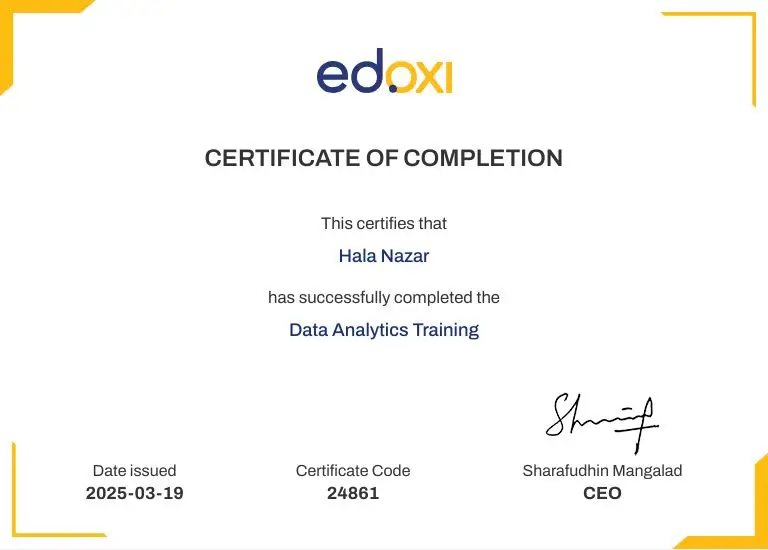
This Medical Coding training program is ideal for individuals pursuing careers in medical coding, billing, and healthcare administration, including CPC certification aspirants. Upon course completion, learners receive an Edoxi Course Completion Certificate, validating their healthcare coding knowledge and readiness to confidently attempt the CPC exam administered by the American Academy of Professional Coders (AAPC).

For complete information on Medical Coding course fees, syllabus, and online or corporate training options in Dallas, Texas, contact the Edoxi team today.

Enroll now to build job-ready medical coding skills and unlock diverse career opportunities across hospitals, clinics, insurance providers, and healthcare organisations in the USA.

Features of the Medical Coding Training

Comprehensive Coding Systems Training

Gain in-depth expertise in ICD, CPT, and HCPCS, mastering essential standards for accurate and compliant healthcare documentation.

Specialised Learning Resources

Access professionally curated textbooks covering coding principles, medical terminology, and anatomy to build a strong theoretical and practical foundation.

Interactive Collaborative Learning

Participate in guided group discussions to understand compliance requirements, coding modifiers, and real-world problem-solving techniques.

Timed Coding Practice

Enhance speed and accuracy through timed coding drills and exercises that simulate real-world medical coding scenarios.

Case-Based Practical Learning

Analyse real medical cases to address practical coding challenges while strengthening analytical and decision-making skills.

Professional Project & Portfolio Development

Develop comprehensive coding guides and reference materials, creating a professional portfolio that demonstrates your coding competence and industry readiness.

Who Can Join Our Medical Coding Course in Dallas, Texas?

Aspiring Medical Coders and Billing Professionals

Ideal for those beginning their careers in healthcare coding and billing.

Healthcare Professionals Transitioning to Administrative Roles

Perfect for medical staff looking to move into administrative or coding-focused positions.

Recent Graduates in Healthcare, Life Sciences, or Biology

Designed for fresh graduates eager to start their journey in medical coding.

Certification Aspirants

Provides foundational knowledge for individuals preparing for CPC, CCS, or similar medical coding certifications.

Remote Work Enthusiasts

Suitable for those seeking remote job opportunities in the field of medical coding.

Plus -Two Graduates and Medical Field Professionals

Open to candidates with a plus two or equivalent qualification, with prior medical experience being an advantage.

Medical Coding Course Modules

Module 1: International Classification of Diseases (ICD)
  • Chapter 1.1: Introduction to ICD

    • Lesson 1.1.1: Overview and Purpose of ICD
    • Lesson 1.1.2: Structure and Format of ICD Codes
    • Lesson 1.1.3: How to Use ICD in Medical Documentation
  • Chapter 1.2: Certain Infectious and Parasitic Diseases

    • Lesson 1.2.1: Introduction to Infectious and Parasitic Diseases
    • Lesson 1.2.2: Key Codes and Applications
  • Chapter 1.3: Neoplasms

    • Lesson 1.3.1: Classification of Neoplasms
    • Lesson 1.3.2: Key ICD Codes for Neoplasms
  • Chapter 1.4: Diseases of Blood and Blood-Forming Organs and Disorders Involving Immune Mechanism

    • Lesson 1.4.1: Overview of Haematological Disorders
    • Lesson 1.4.2: ICD Coding for Immune Mechanism Disorders
  • Chapter 1.5: Endocrine, Nutritional, and Metabolic Diseases

    • Lesson 1.5.1: Anatomy of the Endocrine System
    • Lesson 1.5.2: ICD Coding for Endocrine and Metabolic Disorders
  • Chapter 1.6: Mental, Behavioural, and Neurodevelopmental Disorders

    • Lesson 1.6.1: Introduction to Mental and Behavioural Disorders
    • Lesson 1.6.2: ICD Coding for Common Conditions
  • Chapter 1.7: Diseases of the Nervous System

    • Lesson 1.7.1: Anatomy of the Nervous System
    • Lesson 1.7.2: ICD Coding for Nervous System Disorders
  • Chapter 1.8: Diseases of the Eye and Adnexa

    • Lesson 1.8.1: Anatomy of the Eye
    • Lesson 1.8.2: ICD Coding for Eye Disorders
  • Chapter 1.9: Diseases of the Ears and Mastoid Process

    • Lesson 1.9.1: Anatomy of the Ear
    • Lesson 1.9.2: ICD Coding for Ear Disorders
  • Chapter 1.10: Diseases of the Circulatory System

    • Lesson 1.10.1: Anatomy of the Cardiovascular System
    • Lesson 1.10.2: Anatomy of the Lymphatic System
    • Lesson 1.10.3: ICD Coding for Circulatory System Disorders
  • Chapter 1.11: Diseases of the Respiratory System

    • Lesson 1.11.1: Anatomy of the Respiratory System
    • Lesson 1.11.2: ICD Coding for Respiratory Disorders
  • Chapter 1.12: Diseases of the Digestive System

    • Lesson 1.12.1: Anatomy of the Digestive System
    • Lesson 1.12.2: ICD Coding for Digestive System Disorders
  • Chapter 1.13: Diseases of the Skin and Subcutaneous Tissue

    • Lesson 1.13.1: Anatomy of the Integumentary System
    • Lesson 1.13.2: ICD Coding for Skin Disorders
  • Chapter 1.14: Diseases of the Musculoskeletal System and Connective Tissue

    • Lesson 1.14.1: Anatomy of the Musculoskeletal System
    • Lesson 1.14.2: ICD Coding for Musculoskeletal Disorders
  • Chapter 1.15: Diseases of the Genitourinary System

    • Lesson 1.15.1: Anatomy of the Male Reproductive System
    • Lesson 1.15.2: Anatomy of the Urinary System
    • Lesson 1.15.3: ICD Coding for Genitourinary Disorders
  • Chapter 1.16: Pregnancy, Childbirth, and the Puerperium

    • Lesson 1.16.1: Anatomy of the Female Reproductive System
    • Lesson 1.16.2: ICD Coding for Pregnancy and Childbirth
  • Chapter 1.17: Certain Conditions Originating in the Perinatal Period

    • Lesson 1.17.1: Overview of Perinatal Conditions
    • Lesson 1.17.2: ICD Coding for Perinatal Disorders
  • Chapter 1.18: Congenital Malformations, Deformations, and Chromosomal Abnormalities

    • Lesson 1.18.1: Introduction to Congenital Conditions
    • Lesson 1.18.2: ICD Coding for Chromosomal Abnormalities
  • Chapter 1.19: Symptoms, Signs, and Abnormal Clinical and Laboratory Findings

    • Lesson 1.19.1: Classification of Symptoms and Signs
    • Lesson 1.19.2: ICD Coding for Clinical and Laboratory Findings
  • Chapter 1.20: Injury, Poisoning, and Certain Other Consequences of External Causes

    • Lesson 1.20.1: Coding Injuries and External Causes
    • Lesson 1.20.2: ICD Coding for Poisoning Cases
  • Chapter 1.21: External Causes of Morbidity

    • Lesson 1.21.1: Introduction to External Cause Codes
    • Lesson 1.21.2: Applications in Case Documentation
  • Chapter 1.22: Factors Influencing Health Status and Contact with Health Services

    • Lesson 1.22.1: Classification of Z-Codes
    • Lesson 1.22.2: Applications in Preventive Health
  • Chapter 1.23: Codes for Special Purposes

    • Lesson 1.23.1: Understanding U-Codes
    • Lesson 1.23.2: Recent Updates in Special Purpose Codes
Module 2: Current Procedural Terminology (CPT)
  • Chapter 2.1: Introduction to CPT

    • Lesson 2.1.1: Overview and History of CPT
    • Lesson 2.1.2: CPT Code Structure and Format
  • Chapter 2.2: Illustrated Anatomical and Procedural Review

    • Lesson 2.2.1: Importance of Anatomical Knowledge in Coding
    • Lesson 2.2.2: Procedural Documentation and Application
  • Chapter 2.3: Evaluation and Management

    • Lesson 2.3.1: Guidelines for E/M Coding
    • Lesson 2.3.2: Key Scenarios in E/M Services
  • Chapter 2.4: Anaesthesia and its Guidelines

    • Lesson 2.4.1: Introduction to Anaesthesia Coding
    • Lesson 2.4.2: Understanding Base Units and Time Units
  • Chapter 2.5: Surgery and its Guidelines

    • Lesson 2.5.1: Categories and Subcategories in Surgery Codes
    • Lesson 2.5.2: Applying Surgical Guidelines in Coding
  • Chapter 2.6: Radiology and its Guidelines

    • Lesson 2.6.1: Radiology Coding Basics
    • Lesson 2.6.2: Nuclear Medicine and Ultrasound Coding
  • Chapter 2.7: Pathology and Laboratory

    • Lesson 2.7.1: Overview of Laboratory Guidelines
    • Lesson 2.7.2: Key Codes in Pathology and Laboratory Services
  • Chapter 2.8: Medicine and its Guidelines

    • Lesson 2.8.1: Introduction to Medical Services Coding
    • Lesson 2.8.2: Key Applications in Medical Coding
  • Chapter 2.9: Modifiers

    • Lesson 2.9.1: Importance of Modifiers in CPT
    • Lesson 2.9.2: Commonly Used Modifiers and Their Applications
Module 3: Healthcare Common Procedure Coding System (HCPCS)
  • Chapter 3.1: Transportation Services

    • Lesson 3.1.1: Coding for Ambulance and Other Transportation Services
  • Chapter 3.2: Medical and Surgical Supplies

    • Lesson 3.2.1: Overview of HCPCS Supply Codes
    • Lesson 3.2.2: Applications in Documentation
  • Chapter 3.3: Administrative, Miscellaneous, and Investigational Services

    • Lesson 3.3.1: Understanding Miscellaneous HCPCS Codes
    • Lesson 3.3.2: Coding for Investigational Services
  • Chapter 3.4: Enteral and Parenteral Therapy

    • Lesson 3.4.1: Coding for Nutritional Support
    • Lesson 3.4.2: Key Guidelines for Enteral and Parenteral Therapy
  • Chapter 3.5: Outpatient PPS

    • Lesson 3.5.1: Overview of Prospective Payment Systems
    • Lesson 3.5.2: HCPCS Applications in Outpatient Settings
  • Chapter 3.6: Durable Medical Equipment

    • Lesson 3.6.1: Types of DME and Related Codes
    • Lesson 3.6.2: Application Scenarios for DME Coding
  • Chapter 3.7: Alcohol and Drug Abuse Treatment

    • Lesson 3.7.1: HCPCS Coding for Rehabilitation Services
    • Lesson 3.7.2: Guidelines for Substance Abuse Treatment Coding
  • Chapter 3.8: Drug Administration

    • Lesson 3.8.1: Coding for Non-Oral Drug Administration
    • Lesson 3.8.2: Chemotherapy Drug Coding
  • Chapter 3.9: Orthotic and Prosthetic Procedures

    • Lesson 3.9.1: Introduction to Orthotic Coding
    • Lesson 3.9.2: Guidelines for Prosthetic Procedures
  • Chapter 3.10: Vision and Hearing Services

    • Lesson 3.10.1: Coding for Vision Care Services
    • Lesson 3.10.2: HCPCS Codes for Hearing Aids and Services
  • Chapter 3.11: Temporary and National Codes

    • Lesson 3.11.1: Temporary National Codes Overview
    • Lesson 3.11.2: Medicaid-Specific HCPCS Codes
  • Chapter 3.12: Coronavirus Diagnostic Panel

    • Lesson 3.12.1: Coding for COVID-19 Testing and Treatments
  • Chapter 3.13: Practice Papers and Mock Tests

    • Lesson 3.13.1: ICD Practice Tests
    • Lesson 3.13.2: CPT Practice Tests
    • Lesson 3.13.3: HCPCS Practice Tests

Download Medical Coding Course Brochure

Medical Coding Course Outcome and Career Opportunities in Dallas, Texas

By completing our Medical Coding training, you will gain job-ready coding skills, strong medical documentation knowledge, and confidence to work in compliant healthcare environments. The key outcomes include:

Course Outcome Image
Gain practical proficiency in ICD, CPT, and HCPCS to accurately translate medical documentation into compliant healthcare codes.
Use anatomy, medical terminology, and clinical documentation to code inpatient and outpatient cases with confidence.
Develop the ability to support healthcare billing, insurance claims submission, reimbursement workflows, and revenue cycle management.
Apply HIPAA regulations, coding guidelines, and auditing practices to minimise errors and ensure regulatory compliance.
Strengthen speed, accuracy, and problem-solving skills through case studies, timed coding exercises, and real-world projects.
Position yourself for roles in hospitals, clinics, insurance companies, and remote healthcare services while aligning your skills with CPC certification requirements.

Job Roles After Completing the Medical Coding Training in Dallas, Texas

  • Medical Coder
  • Medical Coding Assistant
  • Health Information Technician
  • Medical Coder
  • Health Information Specialist
  • Clinical Coding Specialist
  • Medical Coding Supervisor
  • Health Information Manager

Companies Hiring Medical Coding professionals in Dallas, Texas

  • UT Southwestern Medical Center
  • Medical City Dallas Hospital
  • Methodist Dallas Medical Center
  • Dallas Medical Center
  • Dallas Regional Medical Center
  • Transcure Medical Billing Services
  • Credex Healthcare Dallas
  • Plutus Health Inc.
  • XpertRCM Consultancy LLC
  • CareCents Medical Billing Solutions LLC

Medical Coding Training Options

Online Training

  • 80 hours online Medical Coding Course in Dallas, Texas

  • Flexible online sessions designed for remote learners.

  • Covers the same comprehensive curriculum as classroom training.

  • Interactive activities, coding drills, and case studies supported by trainer-led guidance.

Corporate Training

  • Intensive 10-day programme tailored to corporate teams.

  • Focuses on essential coding skills and industry-specific requirements.

  • Delivered in small groups for personalised attention and optimal learning outcomes.

  • Training delivered at a selected hotel, client premises, or Edoxi

  • Fly-Me-a-Trainer Option

Do You Want a Customised Training for Medical Coding?

Get expert assistance in getting your Medical Coding Course customised!

How to Get a Medical Coding Certification in Dallas, Texas?

Here’s a four-step guide to becoming a certified Medical Coding professional.
Do You Want to be a Certified Professional in Medical Coding?

Join Edoxi’s Medical Coding Course

Why Choose Edoxi for an Online Medical Coding Course in Dallas, Texas?

Among the many training options available in the USA, Edoxi is one of the best medical coding training institutes in Dallas, Texas. Here’s why Edoxi’s Medical Coding training in Dallas, Texas, is the perfect fit for your needs:

Expert-Led Training

Learn from an instructor with specialised expertise in healthcare training, providing valuable insights into clinical and administrative medical coding practices.

Comprehensive Curriculum

The course covers industry-relevant topics, focusing on practical applications through interactive coding exercises and scenario-based learning.

Personalised Learning Environment

Small class sizes ensure each participant receives individual attention and tailored guidance throughout the program.

Flexible Scheduling Options

Weekday and weekend sessions provide flexibility, enabling students to balance learning with professional and personal responsibilities during the 80-hour program.

Focused Certification Coaching

Edoxi provides dedicated coaching to prepare students for the Certified Professional Coder (CPC) exam, helping them develop the skills needed to succeed.

Certification Registration Support

Edoxi assists students in registering for the CPC exam, ensuring a hassle-free process and a complete pathway to certification.

students-image

Edoxi is Recommended by 95% of our Students

Meet Our Mentor

Our mentors are leaders and experts in their fields. They can challenge and guide you on your road to success!

mentor-image

Dr. Shivani Khasnis

Dr. Shivani Khasnis is an accomplished CPMA, CPC, and DRG trainer at Edoxi Training Institute, with over 15 years of industry experience spanning Pharmacovigilance, Clinical Research, and Medical Coding. Her expertise lies in ICD-10-CM, CPT, and HCPCS coding systems, alongside a strong command of HIPAA and regulatory guidelines. She possesses a postgraduate diploma in Clinical Research from the UK and certifications including CPMA (AAPC, USA) and CPC (Skyline Training Institute, Dubai).

Dr. Shivani is known for her clarity in instruction, up-to-date domain knowledge, and ability to train medical professionals in both technical and regulatory aspects of coding. She has delivered specialised training for major healthcare and insurance organisations such as Cleveland Clinic Abu Dhabi and Abu Dhabi National Insurance Company (ADNIC), covering DRG coding, inpatient prospective payment systems (IPPS), and exam-focused medical coding programs. Her professional journey also includes key roles at Tata Consultancy Services and Crest Pre-media Solutions, further strengthening her industry knowledge.

FAQ

Does this Medical Coding course include training on emerging coding systems and trends in the healthcare industry?

Yes, it covers updates in coding systems, including the latest revisions in ICD, CPT, and HCPCS codes.

Will the Medical Coding course help me understand the differences between inpatient and outpatient coding?

Absolutely. The Medical Coding training provides detailed insights into both inpatient and outpatient coding practices.

Are there modules focused on coding for specialised fields such as radiology, cardiology, or oncology?

Yes, the Medical Coding course includes specialised coding practices for various medical fields to expand your expertise.

Does the Medical Coding certification course cover how to handle denied or rejected claims?

Yes, it trains students to identify coding errors and apply strategies for resolving denied or rejected insurance claims.

Will I learn how to work with electronic health record (EHR) systems?

Yes, it includes the integration of coding processes with EHR systems to ensure accuracy and compliance.

Does the Medical Coding course include training on coding audits or compliance reviews?

Yes, the curriculum covers conducting coding audits and ensuring compliance with healthcare regulations.

How does this Medical Coding training prepare me for remote or freelance medical coding jobs?

The course emphasises skills like independent coding, productivity management, and certification preparation for remote coding roles.

Are there opportunities to connect with professionals in the medical coding field?

Yes, networking sessions, guest lectures, or mentorship opportunities with experienced coders are included in some programs.

Does the Medical Coding course provide exposure to global medical coding standards?

Yes, it includes international standards, covering practices in the USA, UK, UAE, and other global regions.

How does this Medical Coding course prepare me for transitioning into roles like medical auditing or health information management?

It builds foundational skills for advanced roles, with modules on auditing, compliance, and health information management systems.

What is the average salary for medical coding professionals in Dallas, Texas?

In Dallas, medical coders typically earn $40K–$60K per year. Experienced or certified professionals (CPC/CIC) can earn $60K–$90K+, depending on their employer and experience.