
Leave your message to get our quick response
edoxi automated message icon

Microsoft 365 Security Administration Course

A cybersecurity professional working on a laptop displaying Microsoft 365 security dashboards with cloud protection icons in a modern data center environment.
Edoxi’s 32-hour Online Microsoft 365 Security Administration Course provides hands-on training to master identity management, threat protection, and compliance in Microsoft 365. Learn to configure conditional access, MFA, Defender, and information protection through real-world labs. Earn a globally recognised MS-500 certification and advance your career as a Security Administrator or Security Engineer. Join now to gain practical skills. Enrol Now
 
 
Course Duration
32 Hours
Corporate Days
4 Days
Learners Enrolled
50+
Modules
4
star-rating-icon1
star-rating-icon2
star-rating-icon3
Course Rating
4.9
star-rating-4.9
Mode of Delivery
Online
Certification by

What Do You Learn from Edoxi's Microsoft 365 Security Administration Training

Azure AD Identity Management
You Learn to configure Microsoft Entra ID, MFA, and conditional access for secure identity management.
Advanced Threat Protection
You Learn to deploy and manage Microsoft 365 Defender to detect and respond to security threats.
Conditional Access Configuration
You Learn to design Zero Trust security using context-aware conditional access policies.
Information Protection Strategies
You Learn to implement sensitivity labels and DLP policies to protect organisational data.
Compliance Management Framework
You Learn to configure data governance, retention, and eDiscovery for regulatory compliance.
Security Monitoring and Reporting
You Learn to monitor security events using Microsoft Sentinel and create custom alerts for incident response.

About Our Online Microsoft 365 Security Administration Course

Edoxi’s 32-hour Online Microsoft 365 Security Administration course is designed to help you build the skills needed to protect identities, manage threats, and secure information. Our Microsoft 365 Course help you to handle compliance and governance requirements to meet the rising demand for cloud security experts across industries. 

Our course provides practical, hands-on training with Microsoft’s security tools, where you work directly with the Microsoft 365 admin center, PowerShell, Entra ID, and other security components through labs and real-world scenarios. This approach enables you to implement strong security settings for enterprise environments.

Our training strengthens your ability to secure Microsoft 365 workloads and protect organisational data. It prepares you for mid to senior-level IT security roles and expands your career opportunities in cloud security across banking, healthcare, government, and enterprise sectors.

Additionally, our course is highly beneficial for corporate teams, helping organisations develop skilled in-house professionals who can effectively manage and maintain compliance within their Microsoft 365 environment.

Key Features of Edoxi's Microsoft 365 Security Administration Training

Microsoft 365 Live Environment Access

You can practice in a fully configured Microsoft 365 environment with admin-level access. This allows you to apply security controls and manage identities in real time.

Microsoft Official Learning Materials

You can get Microsoft’s official courseware, detailed security documentation, and best-practice implementation guides to support learning during and after the training.

Interactive Security Workshops

You can participate in collaborative workshops and scenario-based exercises that simulate real organisational security challenges for practical skill-building.

Hands-on Lab Exercises

You can configure identity protection, implement threat detection, and manage compliance controls through structured, task-based security labs.

Microsoft Security Center Exploration

You can explore key Microsoft security portals—including Defender, Compliance Center, and Entra ID—to monitor threats, enforce policies, and manage enterprise security.

Upskilling Corporate Security Teams

You can strengthen organisations’ in-house security capabilities by gaining the skills needed to manage Microsoft 365 security, reduce risks, and maintain compliance.

Who Can Join Our Online Microsoft 365 Security Administration Course?

Microsoft 365 Administrators

If you are currently managing Microsoft 365 environments, you can enhance your skills in securing identities, workloads, and organisational data using Microsoft’s advanced security tools.

Security Analysts and Engineers

If you work in cybersecurity, you can specialise in Microsoft cloud security solutions and learn to implement threat protection, monitoring, and incident response.

Systems Engineers and Cloud Administrators

If you manage servers, networks, or cloud platforms, you can strengthen your ability to secure Microsoft 365 infrastructure and enforce organisation-wide security policies.

Compliance Officers

If your role involves meeting regulatory requirements, you can gain the technical expertise needed to implement data governance, retention, and compliance controls within Microsoft 365.

IT Security Specialists

If you are focused on protecting enterprise systems, you can expand your knowledge of the Microsoft security ecosystem and apply advanced cloud protection techniques.

Identity & Access Managers

If you manage authentication systems, you can learn to implement strong identity protection, multi-factor authentication, and conditional access policies in Microsoft 365.

Microsoft 365 Security Administration Course Modules

Module 1: Implement and Manage Identity and Access
  • Chapter 1.1: Secure Microsoft 365 Hybrid Environments

    • Lesson 1.1.1: Plan Azure AD authentication options
    • Lesson 1.1.2: Plan Azure AD synchronisation options
    • Lesson 1.1.3: Monitor and troubleshoot Azure AD Connect events
  • Chapter 1.2: Secure Identities

    • Lesson 1.2.1: Implement Azure AD group membership
    • Lesson 1.2.2: Implement password management
    • Lesson 1.2.3: Configure and manage identity governance
  • Chapter 1.3: Implement Authentication Methods

    • Lesson 1.3.1: Plan sign-on security
    • Lesson 1.3.2: Implement multi-factor authentication (MFA)
    • Lesson 1.3.3: Manage and monitor MFA
    • Lesson 1.3.4: Plan and implement device authentication methods such as Windows Hello
    • Lesson 1.3.5: Configure and manage Azure AD user authentication options and self-service password management
  • Chapter 1.4: Implement Conditional Access

    • Lesson 1.4.1: Plan compliance and conditional access policies
    • Lesson 1.4.2: Configure and manage device compliance for endpoint security
    • Lesson 1.4.3: Implement and manage conditional access
  • Chapter 1.5: Implement Role-Based Access Control (RBAC)

    • Lesson 1.5.1: Plan roles
    • Lesson 1.5.2: Configure roles
    • Lesson 1.5.3: Audit roles
  • Chapter 1.6: Implement Azure AD Privileged Identity Management (PIM)

    • Lesson 1.6.1: Plan Azure PIM
    • Lesson 1.6.2: Assign eligibility and activate admin roles
    • Lesson 1.6.3: Manage Azure PIM role requests and assignments
    • Lesson 1.6.4: Monitor PIM history and alerts
  • Chapter 1.7: Implement Azure AD Identity Protection

    • Lesson 1.7.1: Implement user risk policy
    • Lesson 1.7.2: Implement sign-in risk policy
    • Lesson 1.7.3: Configure Identity Protection alerts
    • Lesson 1.7.4: Review and respond to risk events
Module 2: Implement and Manage Threat Protection
  • Chapter 2.1: Implement an Enterprise Hybrid Threat Protection Solution

    • Lesson 2.1.1: Plan a Microsoft Defender for Identity solution
    • Lesson 2.1.2: Install and configure Microsoft Defender for Identity
    • Lesson 2.1.3: Monitor and manage Microsoft Defender for Identity
  • Chapter 2.2: Implement Device Threat Protection

    • Lesson 2.2.1: Plan a Microsoft Defender for Endpoint solution
    • Lesson 2.2.2: Implement Microsoft Defender for Endpoint
    • Lesson 2.2.3: Manage and monitor Microsoft Defender for Endpoint
  • Chapter 2.3: Implement and Manage Device and Application Protection

    • Lesson 2.3.1: Plan device and application protection
    • Lesson 2.3.2: Configure Microsoft Defender Application Guard
    • Lesson 2.3.3: Configure Microsoft Defender Application Control
    • Lesson 2.3.4: Configure exploit protection
    • Lesson 2.3.5: Configure Secure Boot
    • Lesson 2.3.6: Configure and manage Windows device encryption
    • Lesson 2.3.7: Configure and manage non-Windows device encryption
    • Lesson 2.3.8: Plan securing application data on devices
    • Lesson 2.3.9: Implement application protection policies
  • Chapter 2.4: Implement and Manage Microsoft Defender for Office 365

    • Lesson 2.4.1: Configure Microsoft Defender for Office 365
    • Lesson 2.4.2: Monitor Microsoft Defender for Office 365
    • Lesson 2.4.3: Conduct simulated attacks using Attack Simulator
  • Chapter 2.5: Monitor Microsoft 365 Security with Azure Sentinel

    • Lesson 2.5.1: Plan and implement Azure Sentinel
    • Lesson 2.5.2: Configure playbooks in Azure Sentinel
    • Lesson 2.5.3: Manage and monitor Azure Sentinel
    • Lesson 2.5.4: Respond to threats in Azure Sentinel
Module 3: Implement and Manage Information Protection
  • Chapter 3.1: Secure Data Access within Office 365

    • Lesson 3.1.1: Implement and manage Customer Lockbox
    • Lesson 3.1.2: Configure data access in Office 365 collaboration workloads
    • Lesson 3.1.3: Configure B2B sharing for external users
  • Chapter 3.2: Manage Sensitivity Labels

    • Lesson 3.2.1: Plan a sensitivity label solution
    • Lesson 3.2.2: Configure sensitivity labels and policies
    • Lesson 3.2.3: Configure and use label analytics
    • Lesson 3.2.4: Use sensitivity labels with Teams, SharePoint, OneDrive and Office apps
  • Chapter 3.3: Manage Data Loss Prevention (DLP)

    • Lesson 3.3.1: Plan a DLP solution
    • Lesson 3.3.2: Create and manage DLP policies
    • Lesson 3.3.3: Create and manage sensitive information types
    • Lesson 3.3.4: Monitor DLP reports
    • Lesson 3.3.5: Manage DLP notifications
  • Chapter 3.4: Implement and Manage Microsoft Cloud App Security

    • Lesson 3.4.1: Plan Cloud App Security implementation
    • Lesson 3.4.2: Configure Microsoft Cloud App Security
    • Lesson 3.4.3: Manage cloud app discovery
    • Lesson 3.4.4: Manage entries in the cloud app catalogue
    • Lesson 3.4.5: Manage apps in Cloud App Security
    • Lesson 3.4.6: Manage Microsoft Cloud App Security
    • Lesson 3.4.7: Configure Cloud App Security connectors and OAuth apps
    • Lesson 3.4.8: Configure Cloud App Security policies and templates
    • Lesson 3.4.9: Review and respond to Cloud App Security alerts, reports, dashboards and logs
Module 4: Manage Governance and Compliance Features in Microsoft 365
  • Chapter 4.1: Configure and Analyse Security Reporting

    • Lesson 4.1.1: Monitor and manage device security status using Microsoft Endpoint Manager Admin Centre
    • Lesson 4.1.2: Manage and monitor security dashboards using Microsoft 365 Security Centre
    • Lesson 4.1.3: Plan custom security reporting with Graph Security API
    • Lesson 4.1.4: Use Secure Score dashboards to review actions and recommendations
    • Lesson 4.1.5: Configure alert policies in the Microsoft 365 Security Centre
  • Chapter 4.2: Manage and Analyse Audit Logs and Reports

    • Lesson 4.2.1: Plan auditing and reporting
    • Lesson 4.2.2: Perform audit log search
    • Lesson 4.2.3: Review and interpret compliance reports and dashboards
    • Lesson 4.2.4: Configure audit alert policy
  • Chapter 4.3: Manage Data Governance and Retention

    • Lesson 4.3.1: Plan data governance and retention
    • Lesson 4.3.2: Review and interpret data governance reports and dashboards
    • Lesson 4.3.3: Configure retention labels and policies
    • Lesson 4.3.4: Define data governance event types
    • Lesson 4.3.5: Define and manage communication compliance policies
    • Lesson 4.3.6: Configure information holds
    • Lesson 4.3.7: Find and recover deleted Office 365 data
    • Lesson 4.3.8: Configure data archiving
    • Lesson 4.3.9: Manage inactive mailboxes
  • Chapter 4.4: Manage Search and Investigation

    • Lesson 4.4.1: Plan content search and eDiscovery
    • Lesson 4.4.2: Delegate permissions to use search and discovery tools
    • Lesson 4.4.3: Use search and investigation tools to perform content searches
    • Lesson 4.4.4: Export content search results
    • Lesson 4.4.5: Manage eDiscovery cases
  • Chapter 4.5: Manage Data Privacy Regulation Compliance

    • Lesson 4.5.1: Plan regulatory compliance in Microsoft 365
    • Lesson 4.5.2: Review and interpret GDPR dashboards and reports
    • Lesson 4.5.3: Manage Data Subject Requests (DSRs)
    • Lesson 4.5.4: Administer Compliance Manager in the Microsoft 365 Compliance Centre
    • Lesson 4.5.5: Review Compliance Manager reports
    • Lesson 4.5.6: Create and perform Compliance Manager assessments and action items

Download Microsoft 365 Security Administration Course Brochure

Lab Activities and Practical Sessions in Microsoft 365 Security Administration Course

Our MS-500 course includes practical, simulation-based labs that allow you to work directly inside a real Microsoft 365 environment. These hands-on sessions build the technical expertise needed to manage identities, protect data, and secure cloud workloads in real-world scenarios. These real-world lab activities include

Self-Service Password Reset (SSPR) Implementation

Configure and enable SSPR for user accounts, set authentication methods, and apply organisational policies for secure password recovery.

Azure AD Smart Lockout Configuration

Deploy and customise Smart Lockout thresholds to block brute-force attacks while ensuring legitimate users can still access their accounts safely.

Identity Synchronisation Setup

Configure directory sync between on-premises Active Directory and Microsoft Entra ID using attribute filtering and conflict resolution methods.

Conditional Access for MFA-Required Applications

Create targeted Conditional Access policies that enforce MFA for high-risk cloud apps, improving identity protection across the organisation.

Multi-Factor Authentication Pilot Deployment

Design and execute a phased MFA rollout strategy for different user groups, including administrators, high-risk users, and general staff.

Azure Resource Security Configuration

Implement resource-level security settings, enable monitoring alerts, and configure secure access controls for your Microsoft 365 and Azure resources.

Directory Role Assignment & Privilege Control

Assign admin roles based on the principle of least privilege, create approval workflows, and manage privileged access for secure administrative operations.

Microsoft Defender for Office 365 Threat Protection Setup

Configure anti-phishing, anti-spam, and safe attachment/safe link policies using Microsoft Defender for Office 365. Implement threat investigation actions and review security reports to strengthen organisational protection against email-based attacks.

Microsoft 365 Security Administration Course Outcome and Career Opportunities

Completing Edoxi’s Microsoft 365 Security Administration Training equips you with the practical expertise to secure Microsoft 365 environments. Here are the major course outcomes and career opportunities: 

Course Outcome Image
You learn to strengthen organisational security by configuring identity protection, conditional access, and MFA to safeguard users and data.
You learn to implement advanced threat protection using Microsoft Defender solutions to detect, investigate, and respond to real-world cyber threats.
You learn to manage compliance and governance by configuring retention policies, audit logs, data classification, and regulatory controls.
You learn to secure devices and applications across Windows, macOS, mobile, and cloud environments using Defender and Endpoint Manager tools.
You learn to monitor and analyse security posture with Microsoft 365 Security Center, Compliance Center, and Azure Sentinel dashboards.
You learn to apply industry best practices for identity governance, least-privilege access, and enterprise-grade cloud security management.

Career Opportunities After Our Online Microsoft 365 Security Administration Course

  • Microsoft 365 Security Administrator
  • Cloud Security Analyst
  • Identity & Access Management (IAM) Specialist
  • Microsoft 365 Administrator
  • Security Operations Centre (SOC) Analyst
  • Information Security Engineer
  • Compliance & Governance Analyst
  • Endpoint Security Administrator
  • Cloud Systems Engineer
  • IT Infrastructure Security Specialist

Microsoft 365 Security Administration Training Options

Live Online Training

  • 32 Hours Recorded sessions available for revision

  • Access to a dedicated virtual lab environment

  • Real-time security scenario walkthroughs

  • Flexible scheduling suitable for working professionals

Corporate Training

  • 4-day customised corporate training with flexible delivery options

  • Fly-Me-a-Trainer option available for global corporate teams

  • Organisation-specific security implementation support

  • Food and refreshments are provided for teams throughout the training

Do You Want a Customised Training for Microsoft 365 Security Administration?

Get expert assistance in getting you Microsoft 365 Security Administration Course customised!

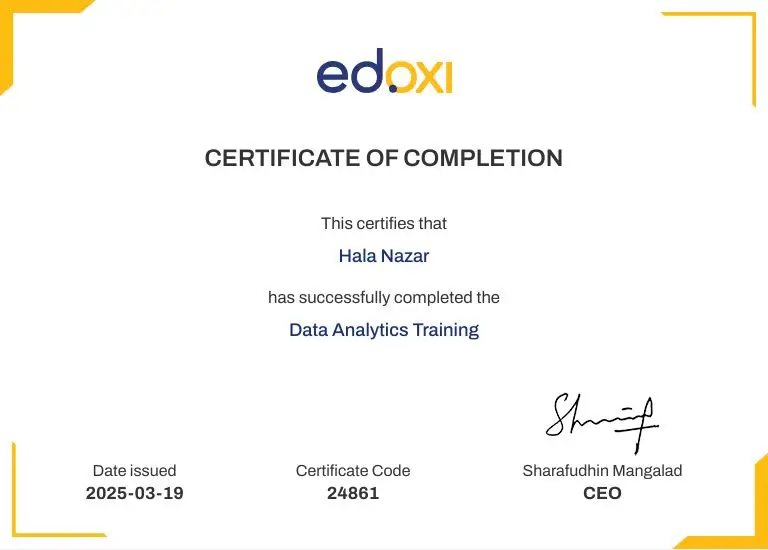
How To Get Online MS 500 Training Certification?

Here’s a four-step guide to becoming a certified Microsoft 365 Security Administration professional.
Do You Want to be a Certified Professional in Microsoft 365 Security Administration?

Join Edoxi’s Microsoft 365 Security Administration Course

Why Choose Edoxi for Online Microsoft 365 Security Administration Training?

Edoxi’s Online Microsoft 365 Security Administration Training equips learners with practical expertise and industry-aligned security knowledge. Here’s why you may choose us:

Microsoft 365 Practical Learning

Gain hands-on experience configuring identity protection, conditional access, and threat management tools using real Microsoft 365 security environments.

Industry Expert Trainers

Learn from certified Microsoft professionals with extensive experience deploying Microsoft 365 security solutions and guiding organisations across the UAE.

Trusted Provider of Corporate Microsoft Training

We deliver customised Microsoft 365 security training for government, banking, healthcare, and enterprise clients, meeting diverse security and compliance needs.

Complete Microsoft Learning Pathway

Advance your expertise with a structured Microsoft security certification roadmap, including SC-200, SC-300, and SC-400 aligned training programs.

Global Training Presence

More than 1,000 professionals across the GCC and Europe have strengthened their cloud security capabilities through Edoxi’s recognised Microsoft security curriculum.

Career-Focused Security Training

Build job-ready skills for roles such as Security Administrator and Compliance Specialist, aligned with current industry expectations and employer requirements.

students-image

Edoxi is Recommended by 95% of our Students

Meet Our Mentor

Our mentors are leaders and experts in their fields. They can challenge and guide you on your road to success!

mentor-image

Manish Rajpal

Manish is a passionate Corporate Trainer, AI Consultant, and Cloud Solutions Architect. He empowers clients across the globe to build and maintain highly available, resilient, scalable, and secure solutions, now with a growing emphasis on AI-powered architectures. With over 15,000 professionals trained, Manish specialises in technologies including Amazon Web Services, Microsoft Azure, Microsoft Copilot and GitHub Copilot and increasingly, AI and Machine Learning.

Manish has led research and workshops focused on integrating AI into cloud environments, exploring use cases like intelligent automation, natural language processing, and responsible AI practices.

Locations Where Edoxi Offers Microsoft 365 Security Administration Course

Here is the list of other major locations where Edoxi offers Microsoft 365 Security Administration Course

FAQ

What are the prerequisites for enrolling in the Online Microsoft 365 Security Administration course?

There are no strict prerequisites for joining the Online MS-500 course. However, having basic knowledge of Microsoft 365, Azure AD/Microsoft Entra ID, and general networking concepts is beneficial. Even if you are a beginner, the Online Microsoft 365 Security Administration training starts with foundational concepts and gradually progresses to advanced security configurations, making it suitable for learners at all levels.

What certifications can I pursue after completing the Online Microsoft 365 Security Administration course?

The Online MS-500 certification has been retired and replaced by three specialised Microsoft security certifications: SC-200 (Security Operations Analyst), SC-300 (Identity & Access Administrator), and SC-400 (Information Protection Administrator). Our Microsoft 365 Security Administration training provides the foundation to prepare for all three.

Does the Online Microsoft 365 Security Administration course cover the latest Microsoft security tools?

Yes. Our Online MS-500 course includes the most recent updates, including Microsoft 365 Defender, Sentinel, and the transition from Azure AD to Microsoft Entra ID, ensuring you are ready for real-world cloud security environments.

What practical exercises are included in the Online Microsoft 365 Security Administration training?

Our Online  Microsoft 365 Security Administration training includes Hands-on labs configuring MFA, implementing conditional access policies, enabling self-service password reset, deploying information protection labels, and monitoring security events in real Microsoft 365 environments.

What salary can I expect after completing the Online Microsoft 365 Security Administration course?

Professionals with MS-500 training and Microsoft 365 Security Administration certification can expect an annual salary of $60,000–$110,000, depending on experience and role. Senior Security Administrators and Cloud Security Engineers may earn higher packages.