Leave your message to get our quick response
edoxi automated message icon

AZ-400: Designing and Implementing Microsoft DevOps Solutions Course

Professional holding a digital DevOps concept with cloud and automation icons
Edoxi’s 60-hour Online AZ-400 training builds advanced Microsoft DevOps skills.​ Provides instruction in CI/CD, infrastructure as code, DevSecOps, and continuous feedback for IT professionals. Gain skills in Azure Pipelines, GitHub Actions, ARM templates, Bicep, & Terraform. Work on real-world projects like end-to-end CI/CD implementation & security-enhanced pipelines. Prepare for the AZ-400 exam. Enrol now to validate your skills and lead DevOps transformation in complex sectors.
 
Course Duration
60 Hours
Corporate Days
5 Days
Learners Enrolled
50+
Modules
8
star-rating-icon1
star-rating-icon2
star-rating-icon3
Course Rating
4.9
star-rating-4.9
Mode of Delivery
Online
Certification by

What Do You Learn from Edoxi's AZ-400: Designing and Implementing Microsoft DevOps Solutions Training

Implementing Source Control and Branching Strategies
Learn repository management techniques and effective branching workflows for collaborative development environments using Azure Repos and GitHub.
Building CI Pipelines with Azure and GitHub
Create robust continuous integration pipelines using YAML configurations in Azure Pipelines and GitHub Actions for automated build processes.
Creating Secure CD Pipelines for Applications
Implement secure continuous delivery workflows with deployment gates, approvals, and release strategies like blue-green and canary deployments.
Managing Infrastructure as Code
Deploy and manage cloud resources using ARM templates, Bicep, and Terraform to enable consistent, version-controlled infrastructure provisioning.
Integrating Security in DevOps Workflows
Implement DevSecOps practices with continuous security scanning, compliance checks, and automated vulnerability assessments throughout the pipeline.
Implementing Monitoring and Alerting
Configure comprehensive application monitoring and alerting systems to quickly identify and resolve issues in your applications and infrastructure.

About Our Online AZ-400: Designing and Implementing Microsoft DevOps Solutions Course

​Edoxi’s online 60-hour AZ-400: Designing and Implementing Microsoft DevOps Solutions training is designed to equip professionals with advanced DevOps skills, focusing on Microsoft's solutions for designing and implementing DevOps practices.​ This AZ-400 course covers key areas such as CI/CD pipelines, infrastructure automation, and DevSecOps, preparing you for the official AZ-400 exam. 

Our AZ-400 curriculum delves into implementing source control and branching strategies, and building CI pipelines with Azure and GitHub. It also covers creating secure CD pipelines and managing infrastructure as code using ARM templates, Bicep, and Terraform. You can gain expertise in integrating security into DevOps workflows, implementing monitoring and alerting, and establishing continuous feedback loops. The AZ-400 course features extensive hands-on real-world project implementations and access to the Microsoft Official Curriculum, ensuring a solid learning experience.

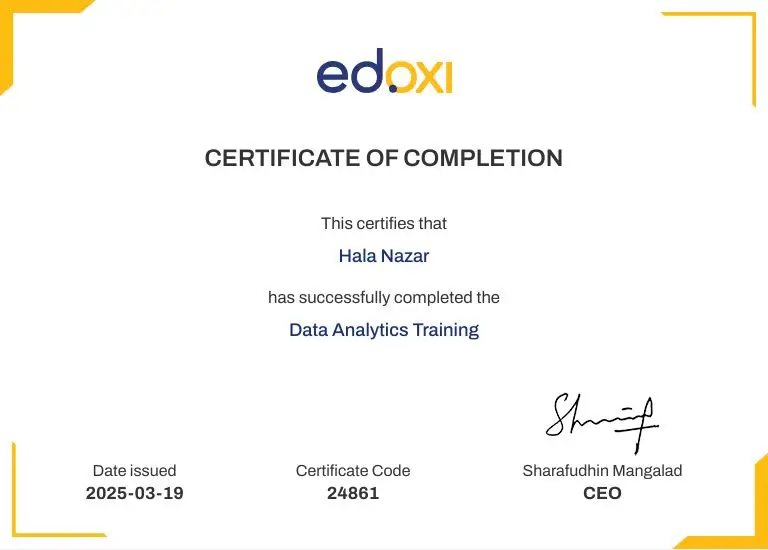
This expert-level certification is ideal for DevOps Engineers, Software Developers, Cloud Administrators, and IT Operations Managers. It also suits System Architects who want to master DevOps methodologies within the Azure ecosystem. Upon completion of the AZ-400: Designing and Implementing Microsoft DevOps Solutions certification course, you will gain an Edoxi course completion certificate. This credential prepares you for the globally recognised AZ-400 exam and opens pathways to high-demand roles like DevOps Architect and Site Reliability Engineer in today’s fast-growing tech sector. Enrol now to advance your career in Microsoft DevOps Solutions.

Designing and Implementing Microsoft DevOps Solutions Exam Details

The AZ-400: Designing and Implementing Microsoft DevOps Solutions exam validates your skills in DevOps practices, CI/CD, and infrastructure as code using Microsoft Azure. Below is a quick overview of the key exam details:

Exam Criteria Details
Exam Code AZ-400
Exam Name Designing and Implementing Microsoft DevOps Solutions
Duration 120 minutes
Number of Questions Multiple-choice, case studies, and drag-and-drop questions
Passing Score 700/1000 (70%)
Fees 165 USD (approximately 605 AED)
Certification Validity 1 year
Recertification Free Microsoft Learn assessment
Exam Administration Authority Pearson VUE

Key Features of Edoxi's Online Designing and Implementing Microsoft DevOps Solutions (AZ-400) Training

Hands-on Cloud Labs Access

Practice in dedicated Azure environments where you can build and test DevOps pipelines without impacting production systems.

Real-world Project Implementation

Develop complete CI/CD pipelines handling source control, security checks, infrastructure deployment, and monitoring configuration.

Microsoft Official Curriculum

Access comprehensive study materials aligned with the latest AZ-400 exam objectives and Microsoft best practices.

Infrastructure as Code Workshops

Gain practical experience with ARM templates, Bicep, and Terraform through guided infrastructure automation exercises.

Who Can Join Edoxi’s Online AZ-400: Designing and Implementing Microsoft DevOps Solutions Training?

DevOps Engineers

DevOps Engineers to enhance their expertise in implementing and managing DevOps practices within Microsoft Azure environments.

Software Developers

Developers seeking to expand their skills beyond code creation to include CI/CD implementation and deployment automation within the Azure ecosystem.

Cloud Administrators

Azure administrators who want to advance their careers by mastering DevOps methodologies and automated deployment strategies.

IT Operations Managers

Managers responsible for overseeing deployment processes who want to implement efficient DevOps practices to streamline operations.

Release Managers

Professionals focusing on software release cycles who need to implement structured, automated deployment pipelines and strategies.

Quality Assurance Engineers

QA specialists looking to integrate automated testing frameworks into the continuous integration and delivery processes.

System Architects

IT architects interested in designing robust DevOps solutions that align with business requirements and technical capabilities.

Site Reliability Engineers

Engineers responsible for maintaining system reliability who want to implement effective monitoring and feedback mechanisms.

AZ-400: Designing and Implementing Microsoft DevOps Solutions Course Modules

Module 01: Implement Development for Enterprise DevOps
  • Chapter 1.1: Explore DevOps Principles and Practices

    • Lesson 1.1.1: Understanding DevOps principles
    • Lesson 1.1.2: Key DevOps practices and methodologies
  • Chapter 1.2: Transforming with Shared Goals and Tools

    • Lesson 1.2.1: Defining shared goals and KPIs
    • Lesson 1.2.2: Selecting DevOps tools and platforms
  • Chapter 1.3: Define Teams and Agile Practices

    • Lesson 1.3.1: Building cross-functional DevOps teams
    • Lesson 1.3.2: Implementing agile frameworks in DevOps
  • Chapter 1.4: Design Tools to Support Team Collaboration

    • Lesson 1.4.1: Collaboration tools for development and operations
    • Lesson 1.4.2: Enabling communication across distributed teams
  • Chapter 1.5: End-to-End Traceability Strategy

    • Lesson 1.5.1: Designing traceability for work items
    • Lesson 1.5.2: Implementing tracking in Azure Boards
  • Chapter 1.6: Source Control Strategy

    • Lesson 1.6.1: Structuring artifacts and repositories
    • Lesson 1.6.2: Designing a branching strategy
  • Chapter 1.7: Repository Management

    • Lesson 1.7.1: Configuring Azure Repos and GitHub repositories
    • Lesson 1.7.2: Managing repository permissions
Module 02: Implement CI with Azure Pipelines and GitHub Actions
  • Chapter 2.1: Understanding Continuous Integration

    • Lesson 2.1.1: Benefits and principles of CI
    • Lesson 2.1.2: Tools and platforms for CI implementation
  • Chapter 2.2: Building CI Pipelines in Azure Pipelines

    • Lesson 2.2.1: Setting up build pipelines
    • Lesson 2.2.2: Configuring pipeline triggers and schedules
  • Chapter 2.3: Building CI Workflows in GitHub Actions

    • Lesson 2.3.1: Creating GitHub Actions workflows
    • Lesson 2.3.2: Managing jobs and steps in workflows
  • Chapter 2.4: Integrating Tests in CI

    • Lesson 2.4.1: Automating unit tests in CI pipelines
    • Lesson 2.4.2: Integrating static code analysis
  • Chapter 2.5: Gated Builds and Code Coverage

    • Lesson 2.5.1: Implementing gated builds
    • Lesson 2.5.2: Enabling code coverage reports
Module 03: Design and Implement a Release Strategy
  • Chapter 3.1: Defining Release Strategies

    • Lesson 3.1.1: Release strategy types and best practices
    • Lesson 3.1.2: Establishing release management workflows
  • Chapter 3.2: Implementing Release Gates and Approvals

    • Lesson 3.2.1: Setting up approval workflows
    • Lesson 3.2.2: Automating release gates in pipelines
  • Chapter 3.3: Deployment Patterns

    • Lesson 3.3.1: Canary and blue-green deployments
    • Lesson 3.3.2: Implementing ring deployments
  • Chapter 3.4: Secure Deployment Configurations

    • Lesson 3.4.1: Managing secrets and connections
    • Lesson 3.4.2: Configuring multi-stage YAML pipelines
Module 04: Implement a Secure Continuous Deployment using Azure Pipelines
  • Chapter 4.1: Continuous Deployment Principles

    • Lesson 4.1.1: Understanding CD practices
    • Lesson 4.1.2: Tools for secure deployments
  • Chapter 4.2: Implementing CD Pipelines

    • Lesson 4.2.1: Creating CD pipelines in Azure Pipelines
    • Lesson 4.2.2: Managing deployment targets (App Services, VMs, Containers)
  • Chapter 4.3: Deployment Configurations and Secrets Management

    • Lesson 4.3.1: Configuring deployment variables and secrets
    • Lesson 4.3.2: Implementing rollback strategies
  • Chapter 4.4: Failure Strategies

    • Lesson 4.4.1: Identifying failure points in CD pipelines
    • Lesson 4.4.2: Implementing failure and recovery strategies
Module 05: Manage Infrastructure as Code Using Azure and DSC
  • Chapter 5.1: Introduction to Infrastructure as Code (IaC)

    • Lesson 5.1.1: Overview of IaC and its benefits
    • Lesson 5.1.2: Tools for IaC implementation
  • Chapter 5.2: ARM Templates and Automation

    • Lesson 5.2.1: Creating and deploying ARM templates
    • Lesson 5.2.2: Best practices for template management
  • Chapter 5.3: Bicep for Template Authoring

    • Lesson 5.3.1: Simplifying template authoring with Bicep
    • Lesson 5.3.2: Converting ARM templates to Bicep
  • Chapter 5.4: Terraform for Cloud Provisioning

    • Lesson 5.4.1: Introduction to Terraform
    • Lesson 5.4.2: Writing and deploying Terraform scripts
  • Chapter 5.5: Azure Automation DSC

    • Lesson 5.5.1: Automating configurations with DSC
    • Lesson 5.5.2: Testing and validating DSC configurations
Module 06: Implement Security and Validate Code Bases for Compliance
  • Chapter 6.1: Securing DevOps Environments

    • Lesson 6.1.1: Security best practices for DevOps
    • Lesson 6.1.2: Managing identities and access
  • Chapter 6.2: Pipeline Secrets Management

    • Lesson 6.2.1: Configuring secrets in pipelines
    • Lesson 6.2.2: Implementing service connections securely
  • Chapter 6.3: Security Scanning and Compliance

    • Lesson 6.3.1: Integrating security scanning tools
    • Lesson 6.3.2: Conducting compliance audits
  • Chapter 6.4: Defender for DevOps

    • Lesson 6.4.1: Implementing Microsoft Defender for DevOps
    • Lesson 6.4.2: Analysing security reports and alerts
Module 07: Design and Implement a Dependency Management Strategy
  • Chapter 7.1: Managing Package Dependencies

    • Lesson 7.1.1: Overview of package management systems
    • Lesson 7.1.2: Configuring Azure Artifacts for internal feeds
  • Chapter 7.2: Versioning and Naming Conventions

    • Lesson 7.2.1: Implementing version control strategies
    • Lesson 7.2.2: Managing package naming conventions
  • Chapter 7.3: Security and Licensing of Dependencies

    • Lesson 7.3.1: Ensuring security of open-source dependencies
    • Lesson 7.3.2: Managing licensing and compliance
  • Chapter 7.4: Caching and Retention Strategies

    • Lesson 7.4.1: Implementing caching for build dependencies
    • Lesson 7.4.2: Setting up retention policies for packages
Module 08: Implement Continuous Feedback
  • Chapter 8.1: Collecting Feedback from Telemetry and Users

    • Lesson 8.1.1: Implementing Azure Monitor for feedback
    • Lesson 8.1.2: Analysing telemetry data for insights
  • Chapter 8.2: Application Monitoring with Application Insights

    • Lesson 8.2.1: Configuring Application Insights
    • Lesson 8.2.2: Creating alerts and monitoring rules
  • Chapter 8.3: Integrating Feedback Tools

    • Lesson 8.3.1: Integrating Jira and GitHub Issues
    • Lesson 8.3.2: Using Teams for feedback and collaboration
  • Chapter 8.4: Feature Flags and A/B Testing

    • Lesson 8.4.1: Implementing feature flags for testing
    • Lesson 8.4.2: Conducting A/B testing and analyzing results
  • Chapter 8.5: Feedback Analysis and Continuous Improvement

    • Lesson 8.5.1: Creating feedback loops for product enhancement
    • Lesson 8.5.2: Implementing continuous improvement practices

Download CertifiedAZ-400: Designing and Implementing Microsoft DevOps Solutions Course Brochure

Real-World Projects and Case Study in Our Online AZ-400: Designing and Implementing Microsoft DevOps Solutions Training

​Our online AZ-400: Designing and Implementing Microsoft DevOps Solutions course blends expert-led sessions with hands-on projects and case studies based on real-world DevOps scenarios.​ Key projects and case studies include

Projects

  • End-to-End CI/CD Pipeline Implementation

    Design and build a complete DevOps workflow from source control to production deployment using Azure DevOps, incorporating branching policies, automated testing, and staged releases.

  • Infrastructure as Code Deployment

    Create infrastructure templates using ARM, Bicep, and Terraform to automate the provisioning of Azure resources, implementing best practices for parameter handling and modularisation.

  • Security-Enhanced Pipeline Development

    ntegrate security scanning, compliance checks, and vulnerability assessments into CI/CD pipelines, implementing secret management and secure deployment practices.

  • DevOps Transformation for Financial Services

    Analyse how a financial institution implemented DevOps practices to reduce deployment times from weeks to hours while maintaining strict security and compliance requirements.

  • Enterprise Release Management

    Explore how a large corporation structured its release processes using deployment rings, progressive exposure, and automated rollback capabilities to minimise risk.

AZ-400: Designing and Implementing Microsoft DevOps Solutions Course Outcome and Career Opportunities

By completing our Microsoft Azure DevOps Solutions AZ-400 training, you will gain advanced DevOps skills and hands-on experience with Azure and GitHub. You will also build the confidence to design, automate, secure, and optimise modern software delivery pipelines. The key outcomes include

Course Outcome Image
Implement comprehensive source control and branching strategies, utilising Azure Repos and GitHub for efficient collaborative development and repository management.
Design and build CI/CD pipelines using Azure Pipelines and GitHub Actions, with automated builds, testing, and secure deployment strategies such as blue-green and canary releases.
Deploy and manage cloud infrastructure using IaC, gaining hands-on experience with ARM templates, Bicep, and Terraform for consistent, version-controlled provisioning.
Integrate DevSecOps practices across the DevOps lifecycle, including continuous security scanning, compliance validation, and automated vulnerability assessments.
Configure monitoring, alerting, and continuous feedback systems to detect issues early, analyse telemetry, and improve application performance and development processes.
Develop strong dependency and artefact management skills, including versioning and package governance, to ensure reproducible, secure, and compliant builds and deployments.

Job Roles After Completing the AZ-400: Designing and Implementing Microsoft DevOps Solutions Certification Training

  • DevOps Engineer
  • Azure Cloud Technician
  • CI/CD Pipeline Developer
  • Release Manager
  • Infrastructure Automation Engineer
  • DevSecOps Specialist
  • DevOps Architect
  • Senior Cloud Engineer
  • Site Reliability Engineer (SRE)

AZ-400: Designing and Implementing Microsoft DevOps Solutions Course Training Options

Online Training

  • 60-hour Customised Online AZ-400 certification Course

  • Flexible Scheduling Options

  • Study materials for reference

  • Record Sessions for Review

Corporate Training

  • 5-day Customised Curriculum for Teams

  • Company-Specific Use Cases

  • Training delivered at a selected hotel, client premises, or Edoxi

  • Fly-Me-a-Trainer Option

Do You Want a Customised Training for Certified AZ-400: Designing and Implementing Microsoft DevOps Solutions?

Get expert assistance in getting you Certified AZ-400: Designing and Implementing Microsoft DevOps Solutions Course customised!

How to Get an AZ-400: Designing and Implementing Microsoft DevOps Solutions Certification?

Here’s a four-step guide to becoming a Certified AZ-400: Designing and Implementing Microsoft DevOps Solutions professional.
Do You Want to be a Certified Professional in Certified AZ-400: Designing and Implementing Microsoft DevOps Solutions?

Join Edoxi’s Certified AZ-400: Designing and Implementing Microsoft DevOps Solutions Course

Why Choose Edoxi for an Online AZ-400: Designing and Implementing Microsoft DevOps Solutions Course?

From many options available, Edoxi is the best choice. Here’s why Edoxi’s AZ-400: Designing and Implementing Microsoft DevOps Solutions course is the perfect fit for your needs

Expert Instruction from Certified Professionals

Edoxi's trainers possess extensive Microsoft certifications and industry experience. Our instructors provide authoritative guidance through Azure training.

Hands-On Learning Approach

Our course emphasises learning by guiding the Azure portal. Learners get hands-on experience with every concept.

Top Corporate Training Portfolio

Edoxi has delivered corporate training for many leading companies and government entities in diverse subjects and certifications.

Business-Focused Azure Training

We emphasise not just technical aspects but also business applications of Azure. The customised corporate training is designed based on each client’s requirements.

students-image

Edoxi is Recommended by 95% of our Students

Meet Our Mentor

Our mentors are leaders and experts in their fields. They can challenge and guide you on your road to success!

mentor-image

Maria Mehwish

Maria Mehwish is a forward-thinking and knowledgeable information security leader with a strong background in building, updating, and maintaining digital protections for various organisations. As a certified CEH, CCSP, CCT, and CISSP Trainer, Maria has a proven track record of delivering innovative and immersive coursework, enhancing learning experiences for cyber threats, ethical hacking, security policy, DevSecOps, and cloud security. With excellent verbal and written communication skills, she is also adept at troubleshooting problems and building successful solutions.

Maria is a self-motivated individual with a strong sense of personal responsibility, capable of managing projects from start to finish. Her expertise in Amazon Web Services, Java/Go/Python/C++, DevSecOps, computer security, Linux, penetration testing, and risk analysis, among others, makes her a valuable asset to any organisation. Maria, a British national, is a native English speaker and has intermediate proficiency in Urdu.

Locations Where Edoxi Offers AZ-400: Designing and Implementing Microsoft DevOps Solutions Course

Here are the major international locations where Edoxi offers AZ-400: Designing and Implementing Microsoft DevOps Solutions Course

FAQ

What are the prerequisites for joining the AZ-400 course?
You must have either the AZ-104 (Azure Administrator) or AZ-204 (Azure Developer) certification. Additionally, 2+ years of experience with CI/CD tools, infrastructure automation, and scripting languages is required for optimal learning outcomes.
What job opportunities are available after AZ-400 certification?
Certified professionals can advance into roles like DevOps Engineer, Release Manager, Infrastructure Automation Engineer, and Site Reliability Engineer across global sectors, including technology, finance, and government.
How does this Microsoft Azure DevOps Solutions AZ-400 certification compare to other cloud certifications?
The AZ-400 certification is specifically focused on DevOps practices within the Microsoft ecosystem, making it highly valuable for organisations that have adopted Azure. It complements other Azure certifications by adding implementation expertise.
 
What tools and technologies will I work with during the AZ-400: Designing and Implementing Microsoft DevOps Solutions training?
You'll gain hands-on experience with Azure DevOps Services, Azure Pipelines, GitHub Actions, ARM templates, Bicep, Terraform, and various security scanning and monitoring tools integrated within the Microsoft ecosystem.
Can we arrange the corporate AZ-400: Designing and Implementing Microsoft DevOps Solutions training for our DevOps team?
Yes, we offer customised corporate training programs for teams, with content tailored to your organisation's specific technologies, workflows, and business objectives. These can be delivered on-site or remotely.
What happens if Azure DevOps features change after my AZ-400: Designing and Implementing Microsoft DevOps Solutions training?
Our course materials are regularly updated to reflect the latest changes in Azure DevOps. You will receive training according to the latest updates.
How does the AZ-400: Designing and Implementing Microsoft DevOps Solutions certification benefit my career?
The AZ-400 certification demonstrates specialised DevOps expertise that is highly valued across global industries. Various sectors are actively seeking professionals who can implement efficient, secure delivery pipelines and automate infrastructure deployment.
What is the average salary for professionals with the Microsoft Certified: DevOps Engineer Expert certification?
Professionals with the Microsoft Certified: DevOps Engineer Expert certification earn an average of about $130,000. The salaries vary by experience, location, and role. Senior positions like DevOps Architects can earn even more, averaging around $152,207.