




Edoxi's 80-hour Online Medical Coding Course in Nashville, Tennessee, is designed to help you build job-ready healthcare coding skills from anywhere through live, instructor-led online training.
As a leading professional training institute, we deliver flexible Medical Coding Online Training that fits your schedule while preparing you for careers in hospitals, physician practices, outpatient clinics, insurance companies, medical billing firms, and remote healthcare organisations across Tennessee and the United States. Whether you are starting a new career or upgrading your healthcare skills, our Medical Coding Online Course combines practical learning with expert guidance to help you achieve your goals.
Our Medical Coding Training covers ICD-10-CM, CPT, and HCPCS Level II coding systems, medical terminology, anatomy and physiology, healthcare billing, revenue cycle management, HIPAA compliance, and coding regulations. Through live Medical Coding Online Classes, coding case studies, real-world healthcare scenarios, hands-on coding exercises, and structured CPC training, you gain practical experience that reflects current industry requirements.
As a trusted Medical Coding Training Institute, we also provide comprehensive medical coding certification preparation to help you confidently prepare for the Certified Professional Coder (CPC) exam. Our instructor-led online medical coding programs offer personalised support, small batch learning, and interactive sessions that keep you engaged throughout the course.
Certified Professional Coder (CPC) Exam Details
| Exam Name: | Certified Professional Coder (CPC) |
| Exam Duration: | 4 Hours |
| Number of Questions: | 100 Multiple-Choice Questions |
| Passing Score: | 70 |
| CPC Exam Fee: | Single Attempt: $430 With Retake Option: $530 |
| Certification Maintenance: | Annual membership renewal Completion of CEU (Continuing Education Unit) points |
| Exam Administration: | American Academy of Professional Coders (AAPC) |
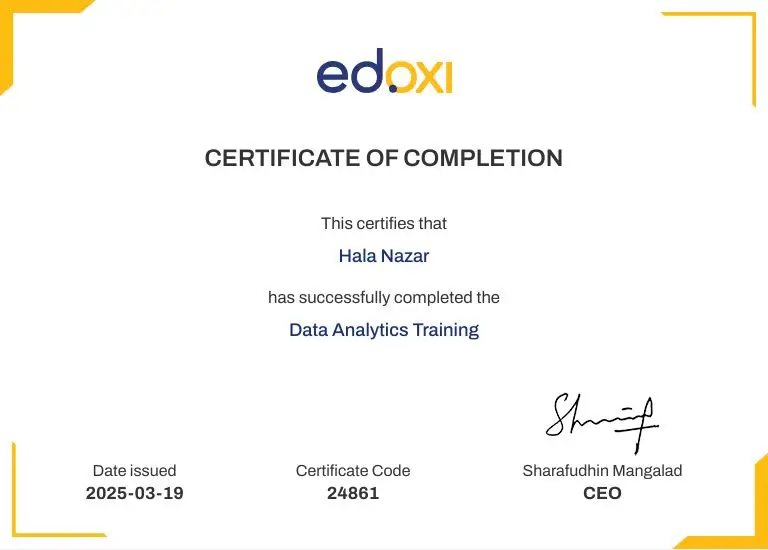
After successfully completing our Medical Coding Course in Nashville, Tennessee, you receive an Edoxi Course Completion Certificate along with guidance towards CPC certification. We also provide corporate online training for hospitals, healthcare providers, insurance companies, and medical billing teams looking to upskill their workforce. If you are searching for Medical Coding Online Training, Medical Coding Online Classes, medical coding online certification, or a trusted medical coding school, Edoxi offers industry-focused training that prepares you for today's healthcare job market. For the latest Medical Coding Course fee, upcoming online batches, syllabus, or customised corporate training solutions, contact our team for personalised assistance.
Learn from our experienced medical coding trainers through interactive online sessions that provide real-time guidance, personalised support, and immediate doubt clarification.
Master ICD-10-CM, CPT, and HCPCS Level II coding systems with structured lessons aligned with current U.S. healthcare coding standards.
Participate in live discussions, coding workshops, collaborative activities, and question-and-answer sessions that make online learning engaging and practical.
Strengthen your coding accuracy through real-world medical case studies, coding assignments, and scenario-based exercises that reflect workplace requirements.
Prepare confidently for the Certified Professional Coder (CPC) exam with mock tests, timed coding exercises, exam strategies, and instructor feedback.
Access comprehensive online study materials, coding manuals, practice exercises, and reference guides to support your learning throughout the course.
Beginners aiming to start a career in healthcare coding and billing.
Perfect for medical staff moving into coding or administrative positions.
Designed for fresh graduates eager to begin their medical coding journey.
Provides foundational knowledge for those preparing for CPC, CCS, or similar certifications.
Suitable for individuals seeking remote medical coding opportunities.
Open to candidates with plus-two or equivalent qualifications, with prior medical experience as an advantage.
Our Online Medical Coding Course in Nashville, Tennessee, combines live instructor-led training with hands-on projects, coding labs, and real-world case studies to help you confidently apply your knowledge in professional healthcare settings. These cover:
Work with sample patient records, including physician documentation, laboratory reports, and discharge summaries. You practise assigning accurate ICD-10-CM, CPT, and HCPCS Level II codes based on real healthcare documentation.
Review coded medical records to identify coding errors, documentation gaps, modifier issues, and compliance concerns while improving coding quality and reimbursement accuracy.
Create coding reference materials for different medical specialties to strengthen your understanding of specialty-specific coding guidelines and payer requirements.
Complete the medical coding and billing process for inpatient and outpatient cases, from assigning diagnosis and procedure codes to understanding insurance claims, reimbursement, and revenue cycle management.
Analyse coding mistakes, identify compliance issues, recommend corrections, and improve documentation quality using practical healthcare scenarios that mirror real coding environments.
Apply ICD-10-CM, CPT, and HCPCS codes to real-world clinical scenarios commonly encountered in hospitals, clinics, physician practices, and medical billing companies across the United States.
Improve your coding speed and accuracy through timed coding exercises designed to reflect workplace productivity expectations and CPC exam conditions.
Participate in live online workshops covering HIPAA, coding guidelines, modifier usage, documentation requirements, and common coding challenges through interactive discussions and instructor feedback.
Edoxi’s Medical Coding training in Nashville equips learners with practical coding skills, compliant medical documentation expertise, and CPC exam readiness for real-world healthcare roles. The key outcomes include:

Get expert assistance in getting your Medical Coding Course customised!
Here’s a four-step guide to becoming a certified Medical Coding professional.

Join Edoxi’s Medical Coding Course
Edoxi is a trusted Medical Coding Training Institute offering live, instructor-led Medical Coding Online Training that helps you build job-ready coding skills and prepare confidently for the CPC certification exam. Here are the benefits of learning with us:
Learn from our experienced medical coding professionals through interactive virtual classes.
Master ICD-10-CM, CPT, HCPCS Level II, medical terminology, healthcare billing, and compliance in one structured program.
Build practical experience through coding labs, real-world case studies, projects, and mock coding exercises.
Receive individual attention, regular feedback, and dedicated doubt-clearing sessions throughout the course.
Choose from our convenient weekday or weekend classes and learn from anywhere in Nashville or across Tennessee.
Benefit from our structured CPC training, mock tests, exam guidance, and registration support to help you achieve certification.

Our mentors are leaders and experts in their fields. They can challenge and guide you on your road to success!

Dr. Shivani Khasnis
Dr. Shivani Khasnis is an accomplished CPMA, CPC, and DRG trainer at Edoxi Training Institute, with over 15 years of industry experience spanning Pharmacovigilance, Clinical Research, and Medical Coding. Her expertise lies in ICD-10-CM, CPT, and HCPCS coding systems, alongside a strong command of HIPAA and regulatory guidelines. She possesses a postgraduate diploma in Clinical Research from the UK and certifications including CPMA (AAPC, USA) and CPC (Skyline Training Institute, Dubai).
Dr. Shivani is known for her clarity in instruction, up-to-date domain knowledge, and ability to train medical professionals in both technical and regulatory aspects of coding. She has delivered specialised training for major healthcare and insurance organisations such as Cleveland Clinic Abu Dhabi and Abu Dhabi National Insurance Company (ADNIC), covering DRG coding, inpatient prospective payment systems (IPPS), and exam-focused medical coding programs. Her professional journey also includes key roles at Tata Consultancy Services and Crest Pre-media Solutions, further strengthening her industry knowledge.
Here are the major international locations where Edoxi offers Medical Coding Courses.
Edoxi's Medical Coding Course in Nashville, Tennessee combines live instructor-led online training, hands-on coding practice, CPC exam preparation, and personalised learner support. Our Medical Coding Online Course helps you develop job-ready skills in ICD-10-CM, CPT, HCPCS Level II, medical billing, and healthcare compliance, making you ready for medical coding careers across Tennessee and the United States.
Our Medical Coding Classes are ideal for aspiring medical coders, healthcare professionals, medical billers, recent graduates, career changers, and anyone planning to earn a medical coding certification or become a Certified Professional Coder (CPC).
We deliver our Medical Coding Online Classes through live instructor-led virtual sessions. You learn through interactive lectures, coding labs, real-world case studies, practical assignments, mock tests, and personalised trainer support from anywhere in Nashville or across Tennessee.
Our CPC Course provides comprehensive training in ICD-10-CM, CPT, and HCPCS Level II coding systems. You also learn medical documentation, coding guidelines, reimbursement processes, compliance, and healthcare billing practices used by healthcare providers throughout the United States.
Yes. After successfully completing our Medical Coding Course in Nashville, Tennessee, you receive an Edoxi Course Completion Certificate that validates your training and supports your preparation for medical coding certification and the Certified Professional Coder (CPC) exam.
Yes. Our Medical Coding Online Course prepares you for both on-site and remote medical coding roles. You develop coding, documentation, compliance, and productivity skills that healthcare employers expect for remote coding positions across the United States.
A Certified Professional Coder (CPC) in Nashville, Tennessee typically earns an average annual salary between $59,000 and $61,000, depending on experience, employer, certifications, and coding specialty. Additional certifications and professional experience often lead to higher earning potential.
Our Medical Coding Course in Nashville, Tennessee is an 80-hour live online training program. We offer flexible weekday and weekend batches, making it easier for you to balance learning with your work or personal commitments.
The fee for our Medical Coding Course in Nashville, Tennessee depends on the training schedule and available offers. Contact the Edoxi team for the latest course fee, upcoming batch dates, corporate training options, and enrolment assistance.


