
Leave your message to get our quick response
edoxi automated message icon

Microsoft Cybersecurity Architect (SC-100) Course

A professional cybersecurity engineer monitoring security dashboards and network data on multiple screens in a modern operations center.
Edoxi’s 32-hour Online Microsoft Cybersecurity Architect course teaches you how to design zero-trust architecture and security for infrastructure. You can develop essential skills to create GRC technical strategies and build effective security operations. Gain specific knowledge to create and implement security solutions across Microsoft cloud platforms. Enrol now to enhance your organisation’s security operations.
Course Duration
32 Hours
Corporate Days
4 Days
Learners Enrolled
50+
Modules
11
star-rating-icon1
star-rating-icon2
star-rating-icon3
Course Rating
4.9
star-rating-4.9
Mode of Delivery
Online
Certification by

What Do You Learn from Edoxi's Microsoft Cybersecurity Architect Training

Designing Zero Trust Strategy and Architecture
You learn to build an identity-centric Zero Trust model across Microsoft cloud environments. You also learn to implement least-privilege access controls using Microsoft Entra ID and design Conditional Access policies that enforce continuous verification and minimise organisational risk.
Evaluating GRC Technical Strategies
You learn to assess governance, risk, and compliance frameworks that align security needs with business operations. You also learn to develop compliance strategies that meet industry regulations while ensuring efficient and sustainable organisational processes.
Designing Security for Infrastructure
You learn to create multi-layered defence architectures for hybrid and cloud environments using Microsoft Defender for Cloud. You also learn to implement advanced threat protection measures that secure servers, containers, networks, and critical infrastructure resources.
Developing Data and Application Security
You learn to build robust data protection models using Microsoft Purview’s data classification and information protection tools. You also learn to implement secure application development practices that address vulnerabilities throughout the software lifecycle and strengthen overall application resilience.

About Our Microsoft Cybersecurity Architect (SC-100) Course

Edoxi’s 32-hour Online Microsoft Cybersecurity Architect training offers an advanced and industry-aligned course. It is designed to elevate your cloud and enterprise security capabilities. Our Microsoft Cybersecurity Architect Solutions course focuses on modern cybersecurity architecture. Our MS Cybersecurity Architect training teaches you to design end-to-end security systems using Microsoft’s latest security tools, frameworks, and Zero Trust principles. Whether you work in cybersecurity engineering, cloud security, IT governance, or enterprise risk management, this course equips you with the strategic and technical expertise required in today’s security-driven organisations.

Our Microsoft Cybersecurity Architect training emphasises hands-on, scenario-based learning through practical labs and real Microsoft cloud environments. Through guided exercises, you gain experience working with Microsoft Entra ID, configuring Conditional Access policies, setting up Security Operations Centre (SOC) frameworks, and implementing advanced protection using the Microsoft Defender XDR Suite. You also work directly with Microsoft Sentinel for SIEM/SOAR operations and Microsoft Purview for data governance and information protection. These real-world skills prepare you to design enterprise-grade security architectures across hybrid and multi-cloud environments.

Edoxi’s Microsoft Cybersecurity Architect course also prepares you directly for the SC-100: Microsoft Cybersecurity Architect certification exam. The course ensures full alignment with Microsoft’s global learning standards. The curriculum provides in-depth knowledge of risk assessment techniques, governance and compliance strategies, Zero Trust architecture, cloud defence layers, and secure digital transformation models and skills that are highly sought after in modern security ecosystems.

Here are the details of the Microsoft Cybersecurity Architect Certification Exam:

Exam Criteria Details
Exam Code SC-100
Exam Name Microsoft Certified: Cybersecurity Architect Expert
Duration 2 hours
No. of Questions 40-60, Multiple Choice and Case Study
Passing Score 700/1000
Fees USD 83
Certification Validity 1 year
Recertification Free
Exam Administration Authority Pearson VUE
 

Corporate teams benefit significantly from Edoxi’s Microsoft Cybersecurity Architect Certification as it strengthens organisational security posture, enhances threat readiness, and builds technical leadership within cybersecurity teams. Organisations that invest in Cybersecurity Architect training experience improved cloud governance, stronger data protection, reduced security vulnerabilities, and more resilient security architectures. It also empowers security professionals to design scalable, compliant, and future-ready security frameworks that protect critical systems and infrastructure.

Key Features of Edoxi's Microsoft Cybersecurity Architect Training

Microsoft Lab Environment Access

You can practice implementing advanced security solutions within authentic Microsoft cloud lab environments that replicate real enterprise deployments. You also gain hands-on experience applying architectural controls and security configurations across Microsoft’s modern security ecosystem.

Official Microsoft Learning Materials

You can study using Microsoft-authorised courseware aligned directly with SC-100 certification objectives. You also strengthen your security architecture knowledge with structured Microsoft learning resources that support continuous skill development and exam readiness.

Scenario-Based Case Studies

You can work through real-world case studies that involve designing security architectures for complex enterprise challenges. You also enhance your analytical and decision-making skills by applying Microsoft’s cybersecurity frameworks to practical business situations.

Hands-on Configuration Exercises

You can complete practical configuration tasks involving Microsoft Entra ID, Conditional Access, and other core security technologies. You also develop the ability to architect identity, access, and cloud security solutions that align with enterprise-grade security standards.

Who Can Join Our Microsoft Cybersecurity Architect (SC-100) Course?

IT Security Professionals

Security practitioners with Microsoft cloud knowledge seeking architect-level career advancement.

Cloud Administrators and Architects

Professionals with AZ-104 or SC-300 experience transitioning to security architecture roles.

Enterprise Network Engineers

Network specialists expanding expertise into Zero Trust and cloud security implementation.

Security Consultants and Strategists

Consultants who advise organisations on enterprise-level Microsoft security architecture solutions.

IT Directors and Managers

Technology leaders are responsible for organisational security strategy and architectural decisions.

Aspiring CISOs

Security professionals are preparing for executive roles requiring comprehensive architectural knowledge.

Microsoft Cybersecurity Architect Course Modules

Module 1: Introduction to Zero Trust and Best Practice Frameworks
  • Chapter 1.1: Overview of Security Best Practices and Zero Trust

    • Lesson 1.1.1: Introduction to Best Practices
    • Lesson 1.1.2: Introduction to Zero Trust
    • Lesson 1.1.3: Zero Trust Initiatives
  • Chapter 1.2: Zero Trust Technology Pillars

    • Lesson 1.2.1: Zero Trust Technology Pillars Part 1
    • Lesson 1.2.2: Zero Trust Technology Pillars Part 2
  • Chapter 1.3: Module Summary and Assessment

    • Lesson 1.3.1: Module Assessment
    • Lesson 1.3.2: Summary – Introduction to Zero Trust and Best Practice Frameworks
Module 2: Design Solutions Aligned with CAF and WAF
  • Chapter 2.1: Cloud Security Strategy and Frameworks

    • Lesson 2.1.1: Define a Security Strategy
    • Lesson 2.1.2: Introduction to the Cloud Adoption Framework
    • Lesson 2.1.3: Cloud Adoption Framework Secure Methodology
  • Chapter 2.2: Azure Landing Zones and Well-Architected Framework

    • Lesson 2.2.1: Introduction to Azure Landing Zones
    • Lesson 2.2.2: Design Security with Azure Landing Zones
    • Lesson 2.2.3: Introduction to the Well-Architected Framework
    • Lesson 2.2.4: The Well-Architected Framework Security Pillar
  • Chapter 2.3: Module Summary and Assessment

    • Lesson 2.3.1: Module Assessment
    • Lesson 2.3.2: Summary – Design Solutions that Align with CAF and WAF
Module 3: Design with MCRA and Microsoft Cloud Security Benchmark
  • Chapter 3.1: Introduction to MCRA and MCSB

    • Lesson 3.1.1: Introduction to Microsoft Cybersecurity Reference Architecture and Cloud Security Benchmark
  • Chapter 3.2: Security Design Best Practices

    • Lesson 3.2.1: Design Solutions with Best Practices for Capabilities and Controls
    • Lesson 3.2.2: Design Solutions for Protecting Against Insider, External, and Supply Chain Attacks
  • Chapter 3.3: Module Summary and Assessment

    • Lesson 3.3.1: Module Assessment
    • Lesson 3.3.2: Summary – Design Solutions with MCRA and MCSB
Module 4: Design Resiliency Strategy Against Cyberthreats
  • Chapter 4.1: Common Threats and Business Continuity

    • Lesson 4.1.1: Common Cyberthreats and Attack Patterns
    • Lesson 4.1.2: Support Business Resiliency
  • Chapter 4.2: Ransomware and Disaster Recovery Solutions

    • Lesson 4.2.1: Design Solutions for Mitigating Ransomware Attacks
    • Lesson 4.2.2: Design Solutions for Business Continuity and Disaster Recovery
    • Lesson 4.2.3: Evaluate Solutions for Security Updates
  • Chapter 4.3: Module Summary and Assessment

    • Lesson 4.3.1: Module Assessment
    • Lesson 4.3.2: Summary – Design a Resiliency Strategy for Common Cyberthreats like Ransomware
Module 5: Case Study – Design Solutions Aligned with Security Best Practices
  • Chapter 5.1: Real-World Implementation

    • Lesson 5.1.1: Introduction
    • Lesson 5.1.2: Case Study Description
    • Lesson 5.1.3: Case Study Answers
    • Lesson 5.1.4: Conceptual Walkthrough
    • Lesson 5.1.5: Technical Walkthrough
    • Lesson 5.1.6: Knowledge Check
    • Lesson 5.1.7: Summary
Module 6: Design Security Operations, Identity, and Compliance Capabilities
  • Chapter 6.1: Regulatory Compliance Solutions

    • Lesson 6.1.1: Introduction to Regulatory Compliance
    • Lesson 6.1.2: Translate Compliance Requirements into Security Controls
    • Lesson 6.1.3: Design a Solution using Microsoft Purview
    • Lesson 6.1.4: Address Privacy Requirements with Microsoft Priva
    • Lesson 6.1.5: Address Compliance using Azure Policy
    • Lesson 6.1.6: Validate Alignment with Regulatory Standards using Microsoft Defender for Cloud
    • Lesson 6.1.7: Module Assessment
    • Lesson 6.1.8: Summary – Design Solutions for Regulatory Requirements
  • Chapter 6.2: Identity and Access Management Solutions

    • Lesson 6.2.1: Introduction to Identity and Access Management
    • Lesson 6.2.2: Design Cloud, Hybrid, and Multicloud Access Strategies
    • Lesson 6.2.3: Design a Solution for External Identities
    • Lesson 6.2.4: Design Modern Authentication and Authorisation Strategies
    • Lesson 6.2.5: Align Conditional Access and Zero Trust
    • Lesson 6.2.6: Harden Active Directory Domain Services (AD DS)
    • Lesson 6.2.7: Manage Secrets, Keys, and Certificates
    • Lesson 6.2.8: Module Assessment
    • Lesson 6.2.9: Summary – Design Solutions for Identity and Access Management
  • Chapter 6.3: Securing Privileged Access

    • Lesson 6.3.1: Introduction to Privileged Access
    • Lesson 6.3.2: The Enterprise Access Model
    • Lesson 6.3.3: Evaluate Microsoft Entra ID Security and Governance
    • Lesson 6.3.4: Secure Tenant Administration
    • Lesson 6.3.5: Privileged Access Workstations and Bastion Services
    • Lesson 6.3.6: Evaluate Access Review Solutions
    • Lesson 6.3.7: Secure On-Premises AD DS and Ensure Resilience
    • Lesson 6.3.8: Module Assessment
    • Lesson 6.3.9: Summary – Design Solutions for Securing Privileged Access
  • Chapter 6.4: Security Operations Design

    • Lesson 6.4.1: Introduction to Security Operations
    • Lesson 6.4.2: Design Monitoring for Hybrid and Multicloud
    • Lesson 6.4.3: Centralised Logging and Auditing with Microsoft Purview
    • Lesson 6.4.4: Design SIEM Solutions
    • Lesson 6.4.5: Detection and Response using XDR and SIEM
    • Lesson 6.4.6: Design SOAR Solutions
    • Lesson 6.4.7: Evaluate Security Workflows and Incident Response
    • Lesson 6.4.8: Threat Detection with MITRE ATT&CK Matrices
    • Lesson 6.4.9: Module Assessment
    • Lesson 6.4.10: Summary – Design Solutions for Security Operations
Module 7: Case Study – Design Security Operations, Identity, and Compliance
  • Chapter 7.1: Case Study Implementation

    • Lesson 7.1.1: Introduction
    • Lesson 7.1.2: Case Study Description
    • Lesson 7.1.3: Case Study Answers
    • Lesson 7.1.4: Conceptual Walkthrough
    • Lesson 7.1.5: Technical Walkthrough
    • Lesson 7.1.6: Knowledge Check
    • Lesson 7.1.7: Summary
Module 8: Design Security Solutions for Applications and Data
  • Chapter 8.1: Securing Microsoft 365

    • Lesson 8.1.1: Introduction to Exchange, SharePoint, OneDrive, and Teams Security
    • Lesson 8.1.2: Evaluate Security Posture for Collaboration Workloads
    • Lesson 8.1.3: Design a Microsoft Defender XDR Solution
    • Lesson 8.1.4: Microsoft 365 Configuration and Operations
    • Lesson 8.1.5: Data Security and Compliance in Microsoft Copilot
    • Lesson 8.1.6: Microsoft Purview for Microsoft 365
    • Lesson 8.1.7: Module Assessment
    • Lesson 8.1.8: Summary – Design Solutions for Securing Microsoft 365
  • Chapter 8.2: Application Security Solutions

    • Lesson 8.2.1: Introduction to Application Security
    • Lesson 8.2.2: Secure Application Development Standards
    • Lesson 8.2.3: Evaluate the Security Posture of Applications
    • Lesson 8.2.4: Threat Modelling for Application Evaluation
    • Lesson 8.2.5: Security Lifecycle Strategy
    • Lesson 8.2.6: Secure Access for Workload Identities
    • Lesson 8.2.7: API Management and Security
    • Lesson 8.2.8: Secure Access to Applications
    • Lesson 8.2.9: Module Assessment
    • Lesson 8.2.10: Summary – Design Solutions for Securing Applications
  • Chapter 8.3: Data Security Design

    • Lesson 8.3.1: Introduction to Data Security
    • Lesson 8.3.2: Data Discovery and Classification
    • Lesson 8.3.3: Encryption of Data at Rest and in Transit
    • Lesson 8.3.4: Data Security for Azure Workloads
    • Lesson 8.3.5: Security for Azure Storage
    • Lesson 8.3.6: Defender for SQL and Storage
    • Lesson 8.3.7: Module Assessment
    • Lesson 8.3.8: Summary – Design Solutions for Securing an Organisation’s Data
Module 9: Case Study – Design Security Solutions for Applications and Data
  • Chapter 9.1: Real-World Application and Data Security

    • Lesson 9.1.1: Introduction
    • Lesson 9.1.2: Case Study Description
    • Lesson 9.1.3: Case Study Answers
    • Lesson 9.1.4: Conceptual Walkthrough
    • Lesson 9.1.5: Technical Walkthrough
    • Lesson 9.1.6: Knowledge Check
    • Lesson 9.1.7: Summary
Module 10: Design Security Solutions for Infrastructure
  • Chapter 10.1: Securing SaaS, PaaS, and IaaS

    • Lesson 10.1.1: Introduction to SaaS, PaaS, and IaaS Security
    • Lesson 10.1.2: Security Baselines for Cloud Services
    • Lesson 10.1.3: Security Requirements for IoT Workloads
    • Lesson 10.1.4: Security for Web Workloads
    • Lesson 10.1.5: Container and Orchestration Security
    • Lesson 10.1.6: Evaluate AI Services’ Security
    • Lesson 10.1.7: Module Assessment
    • Lesson 10.1.8: Summary – Specify Requirements for Securing SaaS, PaaS, and IaaS Services
  • Chapter 10.2: Posture Management in Hybrid and Multicloud

    • Lesson 10.2.1: Introduction to Hybrid and Multicloud Posture
    • Lesson 10.2.2: Evaluate with Microsoft Cloud Security Benchmark
    • Lesson 10.2.3: Integrated Posture and Workload Protection
    • Lesson 10.2.4: Posture Evaluation using Microsoft Defender for Cloud
    • Lesson 10.2.5: Secure Score with Microsoft Defender for Cloud
    • Lesson 10.2.6: Workload Protection with Microsoft Defender
    • Lesson 10.2.7: Azure Arc Integration
    • Lesson 10.2.8: External Attack Surface Management
    • Lesson 10.2.9: Exposure Management Attack Paths
    • Lesson 10.2.10: Module Assessment
    • Lesson 10.2.11: Summary – Design Solutions for Security Posture Management
  • Chapter 10.3: Securing Server and Client Endpoints

    • Lesson 10.3.1: Introduction to Endpoint Security
    • Lesson 10.3.2: Server Security Requirements
    • Lesson 10.3.3: Mobile and Client Device Security
    • Lesson 10.3.4: IoT and Embedded Device Security
    • Lesson 10.3.5: OT and ICS Security with Microsoft Defender
    • Lesson 10.3.6: Security Baselines for Endpoints
    • Lesson 10.3.7: Secure Remote Access
    • Lesson 10.3.8: Windows LAPS Solutions
    • Lesson 10.3.9: Module Assessment
    • Lesson 10.3.10: Summary – Design Solutions for Securing Server and Client Endpoints
  • Chapter 10.4: Network Security Design

    • Lesson 10.4.1: Introduction
    • Lesson 10.4.2: Network Segmentation Strategies
    • Lesson 10.4.3: Traffic Filtering with NSGs
    • Lesson 10.4.4: Network Posture Management
    • Lesson 10.4.5: Network Monitoring Strategies
    • Lesson 10.4.6: Microsoft Entra Internet Access
    • Lesson 10.4.7: Microsoft Entra Private Access
    • Lesson 10.4.8: Module Assessment
    • Lesson 10.4.9: Summary – Design Solutions for Network Security
Module 11: Case Study – Design Security Solutions for Infrastructure
  • Chapter 11.1: Real-World Infrastructure Security

    • Lesson 11.1.1: Introduction
    • Lesson 11.1.2: Case Study Description
    • Lesson 11.1.3: Case Study Answers
    • Lesson 11.1.4: Conceptual Walkthrough
    • Lesson 11.1.5: Technical Walkthrough
    • Lesson 11.1.6: Knowledge Check
    • Lesson 11.1.7: Summary

Download Microsoft Cybersecurity Architect (SC-100) Course Brochure

Hands-on Lab Activities Involved in the Microsoft Cybersecurity Architect Training

Edoxi’s 32-hour (4-day) Online Microsoft Cybersecurity Architect Course features extensive hands-on practice through real-world security labs built on Microsoft’s cloud security ecosystem. Here are the major practical labs included in the Microsoft Cybersecurity Architect course:

Configuring Microsoft Entra ID

You learn to implement core identity management solutions using Microsoft Entra ID. This includes managing user lifecycle processes, configuring security groups, and applying advanced authentication methods to protect organisational identities.

Implementing Conditional Access

You design and deploy risk-based Conditional Access policies that balance security and usability. You also configure session controls, enforce MFA requirements, and validate policy impact across cloud apps and user groups.

Cross-Tenant Identity Synchronisation

You configure secure identity synchronisation between multiple Microsoft tenants to support external collaboration. You also validate synchronisation flows, access permissions, and governance settings across organisational boundaries.

Building a Security Operations Centre with Microsoft Sentinel

You design and implement an end-to-end SOC workflow using Microsoft Sentinel. This includes connecting data sources, writing and validating KQL queries, analysing incidents, and creating automated response playbooks using Logic Apps.

Shadow IT Discovery and Cloud App Governance

You use Microsoft Defender for Cloud Apps to identify unauthorised cloud applications. You develop governance strategies, implement risk-based controls, and apply app discovery policies to secure unsanctioned cloud usage.

You use Microsoft Defender for Cloud Apps to identify unauthorised cloud applications. You develop governance strategies, implement risk-based controls, and apply app discovery policies to secure unsanctioned cloud usage.

You create and deploy a data classification model using Microsoft Purview. This includes assigning sensitivity labels, configuring auto-labelling policies, and aligning protection settings with regulatory and business security requirements.

Implementing Retention Policies in Microsoft Purview

You design and configure retention and deletion policies to meet organisational compliance needs. You also test lifecycle management behaviours and validate policy enforcement across Microsoft 365 workloads.

Securing Infrastructure with Microsoft Defender for Cloud

You implement advanced threat protection for hybrid and cloud infrastructure using Microsoft Defender for Cloud. This includes configuring security policies, evaluating secure score recommendations, enabling workload protection for servers and containers, and analysing alerts to strengthen overall infrastructure security posture.

Microsoft Cybersecurity Architect (SC-100) Course Outcomes and Career Opportunities

Completing Edoxi’s 40-hour Online Microsoft Cybersecurity Architect course opens doors to high-growth, high-earning senior security roles that are in strong demand globally, especially within organisations using Microsoft cloud technologies. Here are the major course outcomes:

Course Outcome Image
Design Zero Trust Architecture across identity, network, data, and devices.
Architect Secure Cloud & Hybrid Environments using Microsoft security stack.
Implement Identity & Access Governance, including Conditional Access and PAM.
Develop Security Operations Strategies (SIEM/SOAR, threat intel, incident response).

Build Data Protection & Compliance Frameworks aligned with UAE regulatory needs.

Qualifies you for senior Cybersecurity job roles within Dubai’s regulated sectors, including finance, government, aviation, and telecom.

Career Opportunities After Our Microsoft Cybersecurity Architect Certification

  • Cybersecurity Architect
  • Cloud Security Architect
  • Enterprise Security Architect
  • Security Solutions Architect
  • Security Consultant / Strategist
  • Chief Information Security Officer (CISO)
  • Microsoft Cybersecurity Architect (SC-100 Certified)
  • Cloud Security Architect (Microsoft-Focused)
  • Microsoft Security Operations (SecOps) Lead
  • Identity & Access Management (IAM) Architect

Microsoft Cybersecurity Architect Training Options

Live Online Training

  • 32 hours of Real-time Interactive Sessions

  • Virtual Lab Access

  • Recorded Sessions for Review

  • Flexible Schedule Options

Corporate Training

  • 4 days of Customised learning for Organisation Needs

  • Flexible Delivery Options (On-Site / Edoxi Office / Hotel)

  • Fly-Me-a-Trainer Option

  • Food and refreshments provided

Do You Want a Customised Training for Microsoft Cybersecurity Architect (SC-100)?

Get expert assistance in getting you Microsoft Cybersecurity Architect (SC-100) Course customised!

How to Get the Microsoft Cybersecurity Architect Certified?

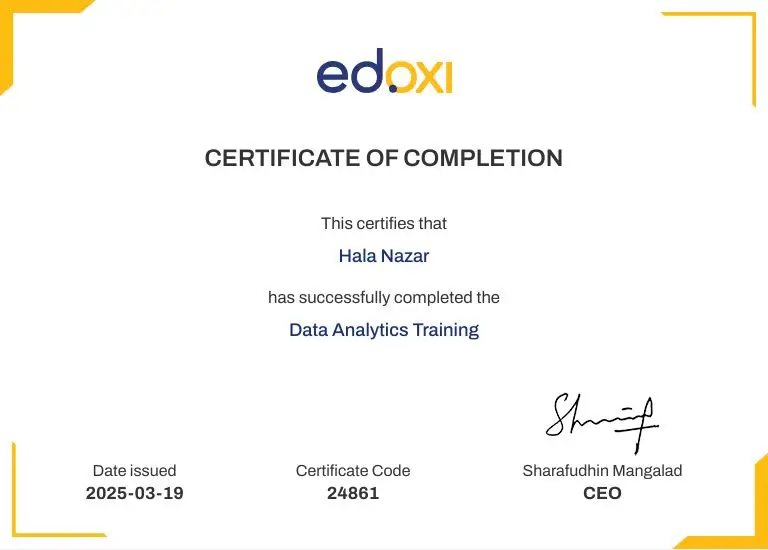
Here’s a four-step guide to becoming a certified Microsoft Cybersecurity Architect professional.
Do You Want to be a Certified Professional in Microsoft Cybersecurity Architect (SC-100)?

Join Edoxi’s Microsoft Cybersecurity Architect (SC-100) Course

Why Choose Edoxi for Microsoft Cybersecurity Architect Course?

Edoxi’s 32-hour Online Microsoft Cybersecurity Architect training provides advanced, architecture-focused expertise in designing enterprise security solutions using Microsoft’s cloud security ecosystem. Here are the major reasons why professionals and organisations choose us for the Microsoft Cybersecurity Architect course:

Expert Security Instructors

Edoxi’s Cybersecurity Architect course is led by certified security professionals with deep experience delivering enterprise identity, access, and threat protection solutions across major UAE industries.

Career-Focused Training Approach

You gain security architecture skills that UAE employers prioritise, including Zero Trust design, governance planning, and multi-cloud protection strategies tailored to senior cybersecurity roles.

Proven Track Record with Corporations

You benefit from Edoxi’s strong history of training security teams across government entities, financial institutions, and large enterprises in the UAE and the Middle East through customised, organisation-specific programmes.

Industry-Aligned Learning Approach

You work through real-world cybersecurity challenges commonly faced by UAE organisations implementing Microsoft security tools, ensuring your learning directly aligns with local industry requirements.

Personalised Learning Experience

You learn in small, focused batches that allow individual guidance, personalised feedback, and support tailored to your career goals or your organisation’s security needs.

Complete Microsoft Security Pathway

You can progress through Edoxi’s full Microsoft security learning track—including SC-200, SC-300, and AZ-500—creating a complete certification pathway toward becoming a Microsoft-certified Cybersecurity Architect.

students-image

Edoxi is Recommended by 95% of our Students

Meet Our Mentor

Our mentors are leaders and experts in their fields. They can challenge and guide you on your road to success!

mentor-image

Manish Rajpal

Manish is a passionate Corporate Trainer, AI Consultant, and Cloud Solutions Architect. He empowers clients across the globe to build and maintain highly available, resilient, scalable, and secure solutions, now with a growing emphasis on AI-powered architectures. With over 15,000 professionals trained, Manish specialises in technologies including Amazon Web Services, Microsoft Azure, Microsoft Copilot and GitHub Copilot and increasingly, AI and Machine Learning.

Manish has led research and workshops focused on integrating AI into cloud environments, exploring use cases like intelligent automation, natural language processing, and responsible AI practices.

Locations Where Edoxi Offers Microsoft Cybersecurity Architect (SC-100) Course

Here is the list of other major locations where Edoxi offers Microsoft Cybersecurity Architect Course

FAQ

What are the prerequisites for Edoxi’s Microsoft Cybersecurity Architect Training?

Edoxi’s Microsoft Cybersecurity Architect course has no mandatory prerequisites. However, knowledge equivalent to SC-300 (Identity Management) and AZ-104 (Azure Administration) is recommended. These foundational skills help learners engage more effectively with the advanced architectural and security concepts covered in the training.

What is the difference between SC-200 and AZ-500 certifications, and how does SC-100 relate to them?
SC-200 focuses on security operations, Microsoft Sentinel, and XDR investigations, while AZ-500 centres on Azure security implementation, such as identity, network, and cloud resource protection. SC-100 builds on these skills by validating advanced, end-to-end cybersecurity architecture capabilities across Microsoft’s cloud platforms.
What can I expect to learn in Edoxi’s Microsoft Cybersecurity Architect course?
You will learn to design Zero Trust architectures, build cloud security frameworks, define identity governance models, implement data protection strategies, and architect enterprise-wide security solutions using Microsoft Defender XDR, Entra ID, and Microsoft Sentinel.
What is the expected average salary range of a professional completing Microsoft Cybersecurity Architect training?
Completing the Microsoft Cybersecurity Architect training can put you on a strong global salary trajectory, roughly USD 90,000 per year at entry-level, scaling up to USD 200,000+ with experience, specialisation.
Will Edoxi’s Microsoft Cybersecurity Architect training help me secure global job opportunities?
Yes. Edoxi’s Microsoft security architecture skills are in high demand across industries worldwide. Completing this training enhances your eligibility for roles such as Cybersecurity Architect, Cloud Security Lead, SOC Architect, and Enterprise Security Consultant.