Ghanashyambhai Bhagvanbhai Vaghani Dec 22, 2025

Essential Skills You'll Gain from Interior Design Training in Sydney

Interior design training in Sydney equips graduates with critical professional competencies, including a solid foundation in Design Principles and Theory, expertise in Space Planning and Ergonomics, and advanced command of digital tools. Key software proficiency covers CAD (like AutoCAD) for accurate technical documentation, 3D Modelling and Rendering Software for high-quality visualization, and effective Presentation Tools for professional client pitches.

Today, the demand for skilled interior designers is increasing rapidly due to the dynamic real estate market and a growing appreciation for modern aesthetics. For those who want to start or advance a career in this exciting field, professional interior design training in Sydney provides the perfect pathway. An Interior design Training equips you with the necessary creative, technical, and professional interior design skills to design functional, safe, and aesthetically pleasing spaces.

Let’s take a brief look at the top interior design skills that you can gain from an Interior Design Training in Sydney!

Key Skills You Will Acquire Through Interior Design Training in Sydney

Professional interior design training programs in Sydney are thoughtfully designed to equip students with a strong set of skills that prepare them for a wide range of roles in the industry. The essential skills gained from interior design training in Sydney are:


  1. Foundational Design Principles & Theory

  2. Space Planning & Ergonomics

  3. Advanced 3D Visualization & Software Proficiency

  4. Material & Finishes Selection

  5. Lighting Design

  6. Project Management & Business Acumen

  7. Sustainable & Ethical Design Practices

1. Foundational Design Principles & Theory

A successful interior design career starts with a solid understanding of design principles. Training helps you learn the key elements of design, such as line, form, space, colour, texture, and light, and how they work together to shape interiors. You also develop knowledge of design principles, such as balance, rhythm, emphasis, proportion, scale, and harmony, to create well-structured spaces. Colour theory is another important area where you study colour psychology, different schemes, and practical ways to use colour effectively. Training also covers historical styles and movements, which range from classical to modern. 

2. Space Planning & Ergonomics

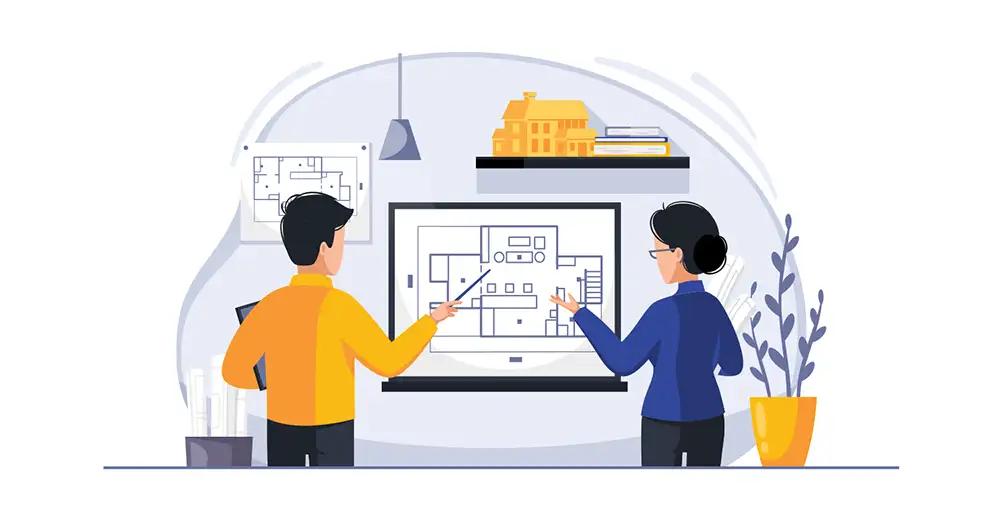
Effective space planning is an essential part of designing interiors and training covers layout optimisation, where you will learn how to assess client needs, study traffic flow, and arrange furniture to make the best use of space while keeping it visually appealing. One of the interior design training benefits is that you also gain an understanding of ergonomics, focusing on designing spaces that support comfort, safety, and efficiency for users. 

Zoning and functional grouping are key skills to create open-plan layouts that are practical and improve flow and usability. In addition, you become familiar with local building codes and accessibility standards, ensuring all your designs are safe, compliant, and customised to Sydney’s requirements.

Read Also : Top Tips to Land a Job in the Interior Design Industry in Sydney

3. Advanced 3D Visualization & Software Proficiency

As we enter the digital age, it has become indispensable for interior designers to utilise 3D visualization to give clients the opportunity to imagine what their spaces will look like before they are built. Some important software that you need proficiency include;

  • CAD Software (e.g., AutoCAD)

Learn to create precise 2D floor plans and elevations, the backbone of all design documentation.

  • 3D Modelling Software 

Create realistic 3D models of interiors, which allow detailed spatial planning and material selection. e.g., SketchUp, Revit, 3ds Max.

  • Rendering Software 

Get to know all the different aspects of producing photorealistic renderings that improve any design's aesthetic. The most effective way to do this would be to include textures, lighting, and finishes in an accurate, detailed manner. e.g., V-Ray, Corona Renderer.

  • Presentation Tools 

Learn to compile professional mood boards, concept boards, and client presentations that effectively communicate your design vision. e.g., Adobe Photoshop, InDesign. 

Start Your Interior Design Journey Today!

Join Edoxi Interior Design Training to learn the best practices!

4. Material & Finishes Selection

The materials and finishes you choose play a big role in how a space looks, how long it lasts, and how sustainable it is. Interior design training helps you build strong material knowledge by exploring options like wood, stone, metal, fabrics, and glass. It also explores their uses and maintenance needs. Also, as part of the program, you will learn sustainable design practices, which focus on eco-friendly, recycled, and locally sourced materials.  

Training covers working with vendors and suppliers, teaching you how to source materials, check quality, and maintain good partnerships. You will also develop skills in budgeting and specification, so you can select the right finishes that deliver both quality and cost-effectiveness.

5. Lighting Design

Lighting is an important part of interior design as it affects how a space looks, feels, and functions.

  • Natural and Artificial Lighting
 
You will learn how to use natural light effectively and combine different types of artificial lighting, such as ambient, task, and accent, to achieve the desired effect in a space.
 
  • Lighting Fixture Selection
 
You will study different lighting technologies, fixtures, and control systems, and learn how to choose the right solutions for different spaces and purposes.
 
  • Energy Efficiency
 
You will also learn how to use energy-efficient lighting solutions to support sustainability and lower operational costs. This is one of the essential skills for interior designers in Sydney that provides a broader perspective for your design projects.
 

6. Project Management & Business Acumen


The ability to develop strong business skills and strong project management skills is another essential requirement for successful interior designers.

  • Client Communication
 
Build strong communication, listening, and presentation skills to understand client needs, explain your design ideas clearly, and manage expectations effectively.
 
  • Project Lifecycle Management
 
Gain the ability to manage projects from concept to completion, including scheduling, allocating resources, and ensuring quality at every stage.
 
  • Budgeting & Cost Estimation
 
Learn to prepare accurate project budgets, monitor expenses, and handle financial aspects efficiently. 
 
  • Professional Practice
 
Understand contracts, business ethics, and marketing strategies that are essential for running a successful interior design practice in Sydney. This is one of the essential skills for interior designers in Sydney.
 
  • Collaboration
 
Develop skills to work smoothly with architects, contractors, suppliers, and other professionals involved in a project.

7. Sustainable & Ethical Design Practices

As the world focuses more on environmental responsibility, sustainable design has become essential.

  • Green Building Principles
 
Learn to incorporate environmentally friendly practices into your designs, from choosing sustainable materials to implementing energy-efficient solutions.
 
  • Health & Well-being
 
Understand how to create spaces that support the health and comfort of occupants through good air quality, natural lighting, and biophilic design elements.
 
  • Waste Reduction
 
Gain strategies to minimise waste during design and construction, supporting circular economy principles and sustainable practices.

Why Get Professional Interior Design Training in Sydney

The demand for these interior design career skills in Sydney’s job market is consistently high. Some of the Benefits of Pursuing an Interior Design Course include;

  • Structured Learning Environment: Professional training combines theory with practical experience to help you build real-world skills.
  • Hands-On Project Experience: You’ll work on practical design projects that strengthen your creativity and problem-solving abilities.
  • Guidance from Industry Experts: Learn directly from professionals who understand Sydney’s interior design trends and job requirements.
  • Portfolio Development: Training helps you build a strong portfolio that showcases your skills to future employers or clients.
  • Recognised Qualification: An Interior Design Course in Sydney provides a credential that boosts your credibility and opens doors to better career opportunities.
  • High Industry Demand: Interior design skills are in strong demand across Sydney, increasing your chances of employment and career growth.
  • Multiple Career Paths: Careers After Professional Diploma in Interior Design include Residential Designer, Commercial Designer, Freelance Interior Designer, Interior Designer, or Set Designer.
  • Enhanced Employability: Professional training equips you with in-demand technical and creative skills valued in Sydney’s job market.
  • Better Career Growth: With specialised training, you gain the confidence and expertise needed to advance in the interior design industry.

Conclusion

Interior design training in Sydney helps you build a strong set of skills that are both creative and practical. You will learn core design principles, 3D visualization, sustainable practices, and project management to meet industry requirements. As the interior design demand in Sydney is high, these skills improve your employability and prepare you for career growth in the design sector. Professional training turns your interest in interior design into a solid foundation for a successful career and equips you to work confidently on a variety of projects.


FAQs

1. What is the demand for interior designers in Sydney?

The demand for interior designers in Sydney is growing for skilled interior designers due to its robust real estate market, constant urban development, and a cultural emphasis.


2. How long does interior design training take in Sydney?

The duration of interior design training in Sydney can vary. Certificate or diploma courses range from several months to one or two years, while bachelor's degree programs usually take three to four years. Shorter workshops and specialised courses are also available for specific skill improvement.

3. Do I need a design background to enrol in an interior design course?

It is not mandatory to have a design background to enrol in an interior design course. But a background in design or art can be beneficial.

4. What career opportunities are available after design training in Sydney?

Graduates can pursue various exciting career paths, including residential interior designer, commercial interior designer, exhibition designer, kitchen and bath designer, sustainable design consultant, or working with architectural firms and construction companies. Many also choose to establish their own design studios.

Graphic & 3D Visualization Trainer

Ghanashyambhai Bhagvanbhai Vaghani is a Graphic & 3D Visualization Trainer with over 15 years of training experience. His expertise spans multiple disciplines, including interior design, graphic design, 3Ds Max and UI/UX development. Ghanashyambhai is an Adobe Creative Suite Specialist with expertise in Photoshop, Illustrator, InDesign, Premiere Pro, After Effects, and Blender. He is also a highly sought-after corporate trainer with exceptional skills in digital content creation and architectural visualization. During his career, he has guided over 5,000 students through professional design education.

He holds a Diploma in Animation and Visual Effects from Frameboxx India and has served as faculty at prestigious institutions, including IIFT and IDT India. His experience with E Train India has further refined his ability to deliver effective technical training. Ghanashyambhai employs a practical, project-based teaching methodology. His approach combines technical training with real-world applications.

Tags
Technology
Education