FAQs
Can a non-IT graduate become a data analyst in Kuwait?
Yes. A computer science degree is not the only possible background. Graduates from business, economics, mathematics, engineering, statistics, and other quantitative fields can transition into data analytics by developing relevant technical and analytical skills.
Is SQL necessary for a data analyst?
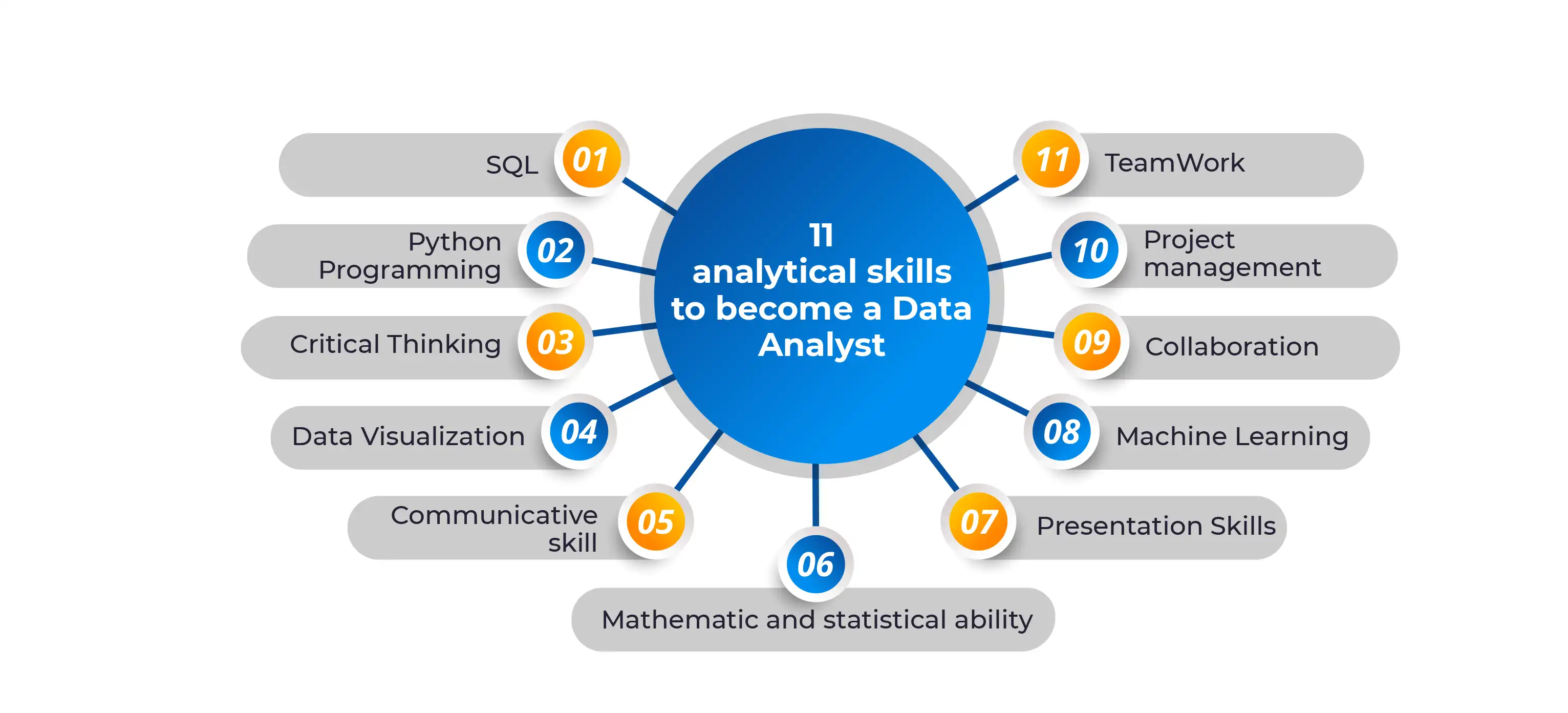
SQL is highly useful because many analyst roles require professionals to retrieve and manipulate data from databases. Its importance varies by employer, but it is a valuable skill for anyone pursuing data analytics.
Is Python necessary before learning data science?
Python is not the only programming language used in data science, but it is widely used for data analysis and machine learning. Learning Python provides a strong foundation for many modern data science workflows.
How important is communication for data professionals?
Communication is critical. Analysts and data scientists must explain technical findings to people who may not have a technical background. Strong communication helps turn analysis into action.
Can data analytics lead to other technology careers?
Yes. Experience in analytics can provide a foundation for transitions into business intelligence, product analytics, data engineering, data science, and analytics management, depending on the additional skills you develop.
Do data professionals need to understand artificial intelligence?
They do not necessarily need to become AI specialists. However, understanding basic AI concepts, limitations, and business applications can help data professionals remain relevant as organisations adopt AI-enabled workflows.

Senior IT Technical Trainer
Shahista Tabassum is an experienced Data Analyst with over 14 years of combined industry and training experience. She has successfully trained more than 2000 students in data analytics, Python programming, and data visualisation. Her career spans hands-on experience in multinational corporations, followed by 10 years of dedicated training, complemented by an M.E. in Web Technologies that strengthens her technical foundation. This dual perspective enables her to deliver real-world context alongside theoretical knowledge in Python programming, data science, statistical analysis, machine learning, and database management.
Shahista's project-based teaching methodology draws directly from her MNC experience, incorporating actual business scenarios and industry challenges into the classroom. Her approach emphasises practical application and data storytelling techniques used in corporate boardrooms, ensuring students learn not just technical skills but also how to communicate insights effectively to stakeholders. Through clear explanations and real-world case studies from her corporate tenure, she guides learners in building portfolio-worthy projects that demonstrate genuine business value, preparing them to contribute immediately in professional settings.