Request a Callback

+971 43801666
 Feb 24, 2026
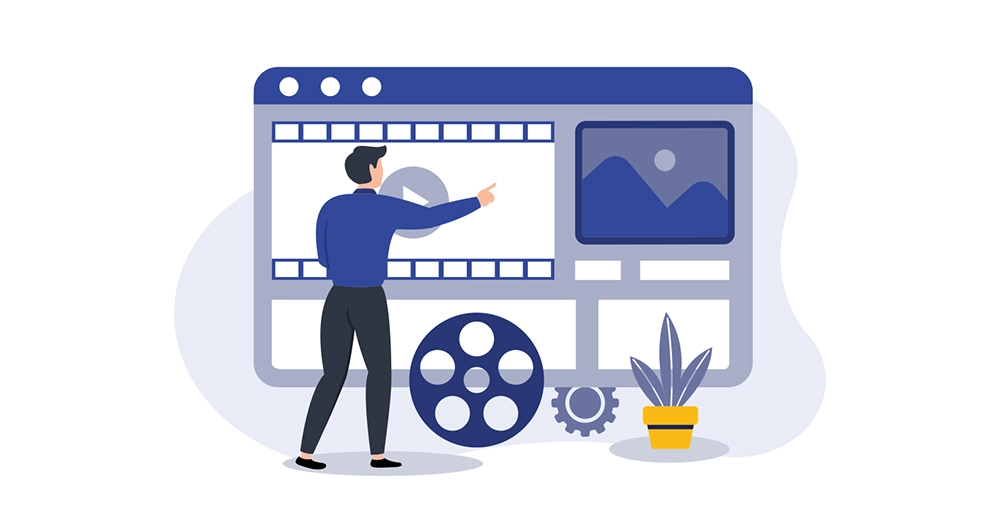
In 2026, the choice between Adobe Premiere Pro and Final Cut Pro depends entirely on your specific needs, budget, and existing technology ecosystem. The global video-editing and content-creation sector is growing very quickly, and by 2032, Globenewswire estimates the market for video editing software to be worth more than US$5.13 billion. According to Sci-Tech Today, video will make up around 23.8% of all content creation in 2024, making it the most popular form of media in the world.
AI-assisted editing, short-form content, and the demand for 4K/8K cuts have resulted in massive growth in the video editing industry. When it comes to Premiere Pro and Final Cut Pro, each provides distinct benefits relative to the type of editing and career stage for which they are most applicable. Premiere Pro is more versatile and the industry standard in film studios, agencies and big production houses. Final Cut Pro is the peak editing software on Mac for speedy editing and is most commonly used by content creators and single filmmakers.
This guide is aimed at helping you choose which editing software to learn in 2026. We will break down Premiere Pro vs. Final Cut Pro in features, performance, pricing, compatibility, workflow, and, most importantly, career possibilities.
Adobe Premiere Pro is a professional timeline-based video editing software. It is the most popular among all editing software due to its mass acquisition in the movie industry and YouTube content creation, advertising, and broadcasting.
Adobe Premiere Pro is also a part of the Adobe Creative Cloud suite of online apps and services. It integrates effortlessly with tools like After Effects, Photoshop, and Audition. It gives editors the chance to build intricate, advanced workflows for motion graphics, sound design, colour grading, and VFX.
Being available on both Windows and macOS, Premiere Pro is a global video editing platform. If you aim to work at movie studios, advertising or media companies, television or YouTube channels, or any professional post-production team, you will definitely benefit from the Adobe Premiere Pro training program
Final Cut Pro is Apple's exclusive video editing program for macOS. It is highly rated for its well-optimised interface, efficient workflows, and quick rendering results thanks to the Apple M-series chips.
Editing with Final Cut Pro gets easier with the program's magnetic timeline and is especially simpler for newcomers. Professional editors will find that they can work on complex projects at a faster pace. Some additional tools Final Cut Pro offers are advanced colour, HDR grading, and built-in motion graphics.
This program is good for filmmakers, YouTubers, marketing professionals, and independent creators, as it's fast and efficient. Final Cut Pro is a budget-friendly alternative, requiring a one-time payment as opposed to a continual subscription-based payment.
Let us further break down the key differences between Adobe Premiere Pro and Final Cut Pro based on performance, pricing, workflow, features, compatibility, and expected career paths.
| Category | Premiere Pro | Final Cut Pro |
| Performance & Speed | Performs well on Windows and macOS, depending on machine's power. Better optimised for systems with dedicated GPUs, especially NVIDIA. AI-powered acceleration improves speed, but project complexity affects rendering/export times. |
Highly optimised for Apple hardware. Uses Metal & M-series chips for extremely fast rendering. Handles 4K and 8K smoothly, even on MacBooks. Ideal for tight deadlines.
|
| Features & Editing Tools | Professional-grade tool. Supports multicam, motion graphics, colour correction, and VFX via Adobe After Effects. Includes AI features like Auto Reframe & Speech-to-Text. Large plugin ecosystem, preferred by filmmakers & broadcasters. |
Advanced tools like magnetic timelines, colour wheels, and motion templates. Strong stabilisation & HDR support. Easier interface, popular among YouTubers & influencers.
|
| Pricing & Affordability | Subscription-based (Adobe Creative Cloud). Includes continuous updates, cloud storage, and access to tools like After Effects, Photoshop, and Audition, making it valuable but off-putting in long-term cost for hobbyists. |
One-time payment + free lifetime updates, but requires a Mac. More predictable and long-term, affordable for editors using Apple systems.
|
| Compatibility & Platform Support | Cross-platform (Windows & Mac). Supports many file formats, codecs, peripherals, cameras, and plugins. Best for team collaboration across different systems. |
macOS-only but works seamlessly within the Apple ecosystem. Not usable on Windows—users must explore alternatives.
|
| Workflow & User Experience | Uses an industry-standard traditional timeline, fully customizable, ideal for long, complex projects and professional editing workflows. |
Uses a magnetic timeline, auto-snaps clips, and reduces manual alignment work. Intuitive for beginners, organised for pros.
|
| Ideal Career Paths | Common in movie studios, advertising, broadcasting, and post-production. Often listed as a mandatory skill requirement in job listings. |
Popular in YouTube, social media marketing, event production, and digital storytelling. Preferred for fast, high-quality output.
|
| Learning Curve & Training | Steeper learning curve due to advanced features. Certifications boost job readiness, credibility, and professional recognition. |
Beginner-friendly, intuitive UI. Faster to learn via short-term courses. Good choice for students and quick starters.
|
| Future Trends (2026 Demand) | Strong for professional careers due to Artificial Intelligence integration, the After Effects ecosystem, 8K support, and cross-platform workflows. Will remain industry-dominant. |
Will continue to grow among content creators & marketing teams due to ease, speed, and Apple-optimised performance.
|
| Best suited for | Editors focused on films, broadcast media, enterprise post-production, motion graphics, and VFX workflows. |
Creators, influencers, social media editors, marketers, and event videographers need a fast & clean workflow.
|
Read Now: 5 Easy Steps for Growing Your Video Editing Career
Getting formal training or certification can boost your earning potential. Recent salary data shows that video editors in the U.S. are making an average of $60,260 a year as of 2025. Those with certifications often find themselves with more opportunities for contract work, remote gigs, and freelance projects, on top of their regular salaries. This flexibility allows them to collaborate with clients from around the globe, juggle multiple projects, and command higher rates—whether hourly or per project.
Check Out: High-Income Career Opportunities in the Field of Video Editing
Looking ahead, 2026 is shaping up to be a fantastic year for video editing professionals. With platforms like YouTube, TikTok, and the growing demand for digital marketing, the need for video skills is skyrocketing. Adobe Premiere Pro and Final Cut Pro are both excellent, but your choice should depend on your goals, the devices you work with, and the direction you want your career to take.
Here is a simple recommendation based on your goals:
Both tools are future-ready for 2026, but the best choice depends on your professional path.
The demand for skilled video editors is increasing across various industries worldwide. If you’re eager to dive into the modern post-production scene, consider learning Premiere Pro or Final Cut Pro based on what suits you best. This could be your ticket to a successful career as a professional video editor in 2026. So why wait? Enrol today and set yourself up for creative opportunities and growth for years to come!
Also Read: Top Video Editing Courses To Advance Your Career
Final Cut Pro is easier to use, as it has a simpler design and a Magnetic Timeline. Premiere Pro is the better tool for advanced editing and professional styles.
Absolutely yes. Because video editing is a quickly emerging and developing skill, in-demand skills are needed. Companies in marketing, media, education, and entertainment need highly trained editing professionals.