


This intensive six-day instructor-led course prepares participants for the Palo Alto Networks Certified Network Security Administrator (PCNSA) certification through practical, hands-on training. Participants learn firewall configuration, NAT, routing, security policies, monitoring, troubleshooting, and threat prevention using real-world lab environments and guided exercises.


| Start Date | Duration | Batch Type | Time | Mode | Price | Register |
|---|---|---|---|---|---|---|
| 25-October-2026 | 5 DAYS | Corporate Batch | 09:00 AM - 05:00 PM |
Classroom Qatar, Doha |
$4,000 USD | |
| 01-November-2026 | 5 DAYS | Corporate Batch | 09:00 AM - 05:00 PM |
Classroom Qatar,Doha |
$4,000 USD | |
| 08-November-2026 | 5 DAYS | Corporate Batch | 09:00 AM - 05:00 PM |
Classroom Kuwait,Kuwait City |
$4,000 USD | |
| 15-November-2026 | 5 DAYS | Corporate Batch | 09:00 AM - 05:00 PM |
Classroom Kuwait,Kuwait City |
$4,000 USD | |
| 22-November-2026 | 5 DAYS | Corporate Batch | 09:00 AM - 05:00 PM |
Classroom Bahrain,Manama |
$4,000 USD | |
| 22-November-2026 | 5 DAYS | Corporate Batch | 09:00 AM - 05:00 PM |
Classroom Qatar,Doha |
$4,000 USD | |
| 22-November-2026 | 5 DAYS | Corporate Batch | 09:00 AM - 05:00 PM |
Classroom Bahrain,Manama |
$4,000 USD | |
| 06-December-2026 | 5 DAYS | Corporate Batch | 09:00 AM - 05:00 PM |
Classroom Qatar, Doha |
$4,000 USD | |
| 06-December-2026 | 5 DAYS | Corporate Batch | 09:00 AM - 05:00 PM |
Classroom Kuwait, Kuwait City |
$4,000 USD | |
| 06-December-2026 | 5 DAYS | Corporate Batch | 09:00 AM - 05:00 PM |
Classroom Oman, Muscat |
$4,000 USD | |
| 13-December-2026 | 5 DAYS | Corporate Batch | 09:00 AM - 05:00 PM |
Classroom Qatar,Doha |
$4,000 USD | |
| 20-December-2026 | 5 DAYS | Corporate Batch | 09:00 AM - 05:00 PM |
Classroom Oman,Salalah |
$4,000 USD | |
| 20-December-2026 | 5 DAYS | Corporate Batch | 09:00 AM - 05:00 PM |
Classroom Kuwait,Kuwait City |
$4,000 USD |
Select your preferred location and schedule — customised training tailored to your goals.
Edoxi's Palo Alto Networks Certified Network Security Administrator (PCNSA) training is a comprehensive six-day, instructor-led programme designed to equip IT and security professionals with the knowledge and practical skills required to configure, manage, and maintain Palo Alto Networks Next-Generation Firewalls (NGFWs). The course blends conceptual instruction with intensive hands-on lab exercises that simulate real-world enterprise network environments.
Throughout the programme, participants explore the full scope of Palo Alto Networks firewall administration, including interface configuration, zone management, security and NAT policy design, object management, and advanced threat prevention using App-ID, User-ID, Content-ID, and Device-ID technologies. Learners also gain practical experience with WildFire, DNS Security, URL Filtering, and Panorama-based management.
The training is structured around five core modules aligned with the official PCNSA examination objectives, ensuring that participants not only build operational proficiency but also develop the theoretical understanding needed to pass the certification exam. Case studies and guided exercises reinforce learning at every stage.
Delivered by certified Palo Alto Networks instructors, this course is suitable for network security engineers, system administrators, SOC analysts, and IT professionals seeking to transition into or advance within the cybersecurity domain. Participants will receive a certificate of completion upon successfully finishing the programme.
Enrol now to gain hands-on expertise in Palo Alto Networks firewall administration and take the next step towards earning your PCNSA certification.
Benefit from six days of instructor-led training delivered by certified Palo Alto Networks professionals with extensive real-world experience in enterprise network security environments.
Practise in live lab environments that simulate real-world network configurations, enabling you to apply NGFW concepts, policy management, and threat prevention techniques confidently.
Study a curriculum fully aligned with the official Palo Alto Networks PCNSA examination objectives, ensuring comprehensive preparation and increasing your chances of first-attempt success.
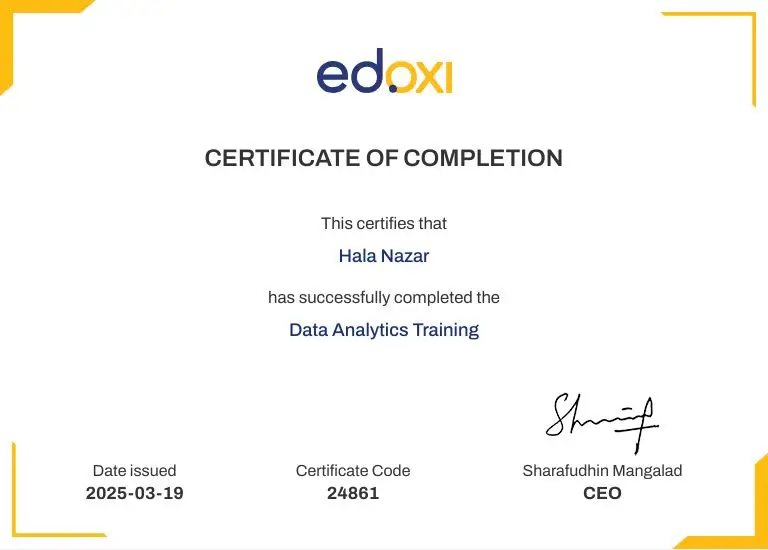
Receive an Edoxi Certificate of Completion upon successfully finishing the programme, validating your proficiency in configuring and managing Palo Alto Networks Next-Generation Firewalls.
Choose from Classroom, Online, or Corporate training modes to suit your schedule, learning preference, and organisational requirements without compromising on content quality.
Engage with practical case studies and guided exercises throughout the programme that reinforce theoretical concepts and prepare you for real-world firewall administration challenges.
Network Security Engineers and Administrators responsible for deploying, configuring, and maintaining enterprise firewall infrastructure who wish to validate their Palo Alto Networks expertise.
IT Support and System Administrators responsible for firewall management who are looking to expand their technical knowledge and gain formal certification in network security administration.
Security Operations Centre (SOC) Analysts and Technicians seeking to deepen their understanding of Palo Alto Networks firewall operations, threat detection, and traffic monitoring capabilities.
IT Professionals transitioning into cybersecurity roles who require a structured, certification-aligned programme to build foundational and practical knowledge of next-generation firewall technologies.
Network Engineers seeking to acquire advanced Next-Generation Firewall configuration skills and broaden their professional expertise in enterprise network security architecture and management.
Individuals preparing for the Palo Alto PCNSA Certification who need a structured, exam-aligned training programme with hands-on lab practice to achieve first-attempt certification success.
Completing Edoxi's PCNSA training equips you with the technical expertise to administer Palo Alto Networks firewalls professionally and positions you for high-demand roles in enterprise network security.

Participants earn the Palo Alto Networks Certified Network Security Administrator (PCNSA) by completing training, gaining hands-on firewall experience, and passing the official certification exam.

Start your journey towards the Palo Alto Networks PCNSA certification today
Edoxi is a globally recognised ed-tech training provider with over five years of experience delivering high-quality, job-focused cybersecurity and IT certification programmes to professionals across more than 100 countries.
Learn from a team of more than 100 certified trainers who bring extensive real-world experience in Palo Alto Networks technologies, cybersecurity operations, and enterprise network security administration.
Edoxi is approved and accredited by reputable institutions including KHDA, EC Council, CompTIA, Microsoft, and PMI, ensuring that your training meets internationally recognised professional standards.
Choose from Classroom, Online, or Corporate training formats with physical locations in Dubai, Qatar, and London, providing maximum flexibility to match your schedule and learning preferences.
Gain practical experience through intensive lab environments that simulate live enterprise network scenarios, enabling you to apply PCNSA concepts with confidence in real-world firewall administration roles.
Study a curriculum meticulously aligned with the official Palo Alto Networks PCNSA examination blueprint, incorporating practice tests and exam-focused exercises to maximise your first-attempt pass rate.
Edoxi has garnered satisfaction from over 200 corporate clients globally, reflecting its consistent ability to deliver impactful, results-oriented training that meets both individual and organisational objectives.

The Palo Alto Networks Certified Network Security Administrator (PCNSA) is an industry-recognised certification that validates a professional's ability to configure, manage, and operate Palo Alto Networks Next-Generation Firewalls. It is intended for network security engineers, system administrators, SOC analysts, and IT professionals who work with or aspire to work with Palo Alto Networks security platforms in enterprise environments.
Whilst there are no strict formal prerequisites, participants are recommended to have a foundational understanding of networking concepts including TCP/IP, routing, and switching. Familiarity with basic firewall concepts and general IT security principles will be advantageous. The course is suitable for both those new to Palo Alto Networks and those with some prior exposure seeking formal certification preparation.
The PCNSA training course at Edoxi is delivered over five days. The programme is instructor-led and combines conceptual learning with intensive hands-on lab exercises. A condensed three-day corporate version is also available for organisations seeking to train teams within a tighter schedule, with content tailored to organisational requirements.
The course covers five core modules: Strata Core Components, Device Management and Services, Managing Objects, Policy Evaluation and Management, and Securing Traffic. Key topics include NGFW configuration, zone management, App-ID, User-ID, Content-ID, NAT policy design, security profiles, WildFire, DNS Security, URL Filtering, Panorama management, and system log monitoring.
Upon successfully completing the training programme, participants receive an Edoxi Certificate of Completion, which validates their proficiency in configuring and managing Palo Alto Networks firewalls. This certificate complements the official PCNSA certification obtained by passing the Palo Alto Networks examination through the Pearson VUE testing platform.
Edoxi's PCNSA training curriculum is fully aligned with the official Palo Alto Networks PCNSA examination objectives. Preparation includes instructor-led instruction across all exam domains, hands-on lab practice in simulated enterprise environments, case studies, guided exercises, and internal practice assessments designed to evaluate readiness and identify areas for further review before the official examination.
Yes, Edoxi offers the PCNSA training in multiple formats including live online instructor-led sessions. Online participants have access to virtual lab environments, digital course materials, recorded sessions for review, and dedicated trainer support throughout the programme. The online format is designed to deliver the same quality of learning as the classroom experience.
After earning the PCNSA certification, professionals can pursue a wide range of roles including Network Security Engineer, Firewall Administrator, Network Security Administrator, SOC Analyst, Cybersecurity Engineer, IT Security Specialist, Information Security Analyst, Security Operations Engineer, and Cloud Network Security Engineer, among others.
| Job Role | Average Annual Salary (USD) |
|---|---|
| Network Security Engineer | $95,000 |
| Firewall Administrator | $85,000 |
| SOC Analyst | $78,000 |
| Cybersecurity Engineer | $105,000 |
| Information Security Analyst | $90,000 |
| Cloud Network Security Engineer | $115,000 |


