


The Machinery Lubrication Analysis - Level I programme equips professionals with machinery lubrication and maintenance analysis skills. It covers lubricant selection, contamination control, oil analysis, equipment reliability, preventive maintenance, and lubrication best practices. Participants learn tools such as oil sampling methods, viscosity testing, lubrication monitoring systems, contamination analysis, and maintenance inspection techniques. Enrol now to advance your maintenance career.


| Start Date | Duration | Batch Type | Time | Mode | Price | Register |
|---|---|---|---|---|---|---|
| 25-October-2026 | 5 DAYS | Corporate Batch | 09:00 AM - 05:00 PM |
Classroom Kuwait,Kuwait City |
$4,000 USD | |
| 01-November-2026 | 5 DAYS | Corporate Batch | 09:00 AM - 05:00 PM |
Classroom Qatar, Doha |
$4,000 USD | |
| 08-November-2026 | 5 DAYS | Corporate Batch | 09:00 AM - 05:00 PM |
Classroom Kuwait,Kuwait City |
$4,000 USD | |
| 15-November-2026 | 5 DAYS | Corporate Batch | 09:00 AM - 05:00 PM |
Classroom Qatar, Doha |
$4,000 USD | |
| 22-November-2026 | 5 DAYS | Corporate Batch | 09:00 AM - 05:00 PM |
Classroom Kuwait,Kuwait City |
$4,000 USD | |
| 22-November-2026 | 5 DAYS | Corporate Batch | 09:00 AM - 05:00 PM |
Classroom Bahrain,Manama |
$4,000 USD | |
| 22-November-2026 | 5 DAYS | Corporate Batch | 09:00 AM - 05:00 PM |
Classroom Oman, Muscat |
$4,000 USD | |
| 22-November-2026 | 5 DAYS | Corporate Batch | 09:00 AM - 05:00 PM |
Classroom Bahrain,Manama |
$4,000 USD | |
| 06-December-2026 | 5 DAYS | Corporate Batch | 09:00 AM - 05:00 PM |
Classroom Qatar, Doha |
$4,000 USD | |
| 13-December-2026 | 5 DAYS | Corporate Batch | 09:00 AM - 05:00 PM |
Classroom Kuwait, Kuwait City |
$4,000 USD | |
| 13-December-2026 | 5 DAYS | Corporate Batch | 09:00 AM - 05:00 PM |
Classroom Oman, Muscat |
$4,000 USD | |
| 20-December-2026 | 5 DAYS | Corporate Batch | 09:00 AM - 05:00 PM |
Classroom Qatar,Doha |
$4,000 USD | |
| 20-December-2026 | 5 DAYS | Corporate Batch | 09:00 AM - 05:00 PM |
Classroom Oman,Salalah |
$4,000 USD | |
| 27-December-2026 | 5 DAYS | Corporate Batch | 09:00 AM - 05:00 PM |
Classroom Kuwait,Kuwait City |
$4,000 USD |
Select your preferred location and schedule — customised training tailored to your goals.
Edoxi's Machinery Lubrication Analysis - Level I programme is a comprehensive foundational course designed to equip maintenance, reliability, and engineering professionals with the knowledge and practical skills required to implement and manage effective machinery lubrication programmes. The course addresses the complete spectrum of Level I lubrication practice, from tribology fundamentals and lubricant chemistry to oil sampling, oil analysis interpretation, contamination control, and lubrication system management.
Participants will develop a thorough understanding of lubricant types and properties, correct lubrication application methods, delivery system selection, oil sampling procedures, and the interpretation of oil analysis data to diagnose machinery condition. The programme also covers contamination control strategies, lubricant storage and handling best practices, and the integration of lubrication analysis into broader predictive maintenance and reliability programmes. Practical exercises and real-world case studies reinforce applied learning throughout the course.
Delivered by certified lubrication and reliability professionals, the course prepares participants for the ICML Machinery Lubrication Analyst Level I certification examination and entry-level lubrication analyst roles. Upon completion, learners receive an Edoxi Certificate of Completion and are equipped to implement effective lubrication programmes that improve machinery reliability and reduce maintenance costs.
Enrol now to build your machinery lubrication expertise and achieve your professional goals.
Learn from ICML-certified lubrication and reliability professionals with extensive industrial maintenance experience, delivering expert instruction, practical demonstrations, and career guidance relevant to machinery lubrication practice.
Receive structured preparation for the ICML Machinery Lubrication Analyst Level I certification examination, including content alignment, practice questions, and guidance on examination requirements and professional competency standards.
Develop practical oil sampling skills through hands-on exercises covering correct sampling procedures, equipment selection, sampling point identification, and sample submission to ensure representative and reliable analysis results.
Build practical proficiency in interpreting oil analysis laboratory reports including wear metal trending, viscosity changes, contamination indices, and additive depletion to support informed machinery maintenance decision-making.
Gain comprehensive knowledge of contamination control strategies, filtration selection, lubricant handling procedures, and storage best practices that are critical to extending machinery life and optimising lubrication programme effectiveness.
Choose from online, classroom, or corporate training formats designed to accommodate the diverse scheduling requirements and learning preferences of maintenance, reliability, and engineering professionals across all industries.
Maintenance staff and engineers responsible for machinery lubrication tasks who wish to formalise their knowledge, improve lubrication practices, and contribute to more effective and reliability-centred maintenance programmes.
Reliability engineers and condition monitoring specialists who want to incorporate oil analysis into their predictive maintenance programmes and develop the lubrication knowledge required for machinery health assessment.
Practising lubrication technicians and lube room specialists seeking to formalise their lubrication knowledge through ICML Level I certification and advance their professional standing within the maintenance and reliability community.
Plant and facilities maintenance managers who need a foundational understanding of machinery lubrication analysis to oversee lubrication programmes, evaluate analyst reports, and make informed maintenance management decisions.
Mechanical and industrial engineers working in manufacturing, oil and gas, power generation, or mining who wish to develop practical lubrication analysis skills to support asset reliability and maintenance optimisation programmes.
Coordinators responsible for managing predictive maintenance programmes who require foundational lubrication analysis knowledge to integrate oil analysis effectively into broader condition monitoring and asset management strategies.
By completing Edoxi's Machinery Lubrication Analysis - Level I, you will build the skills to advance your career.

Here's a four-step guide to becoming a certified professional.
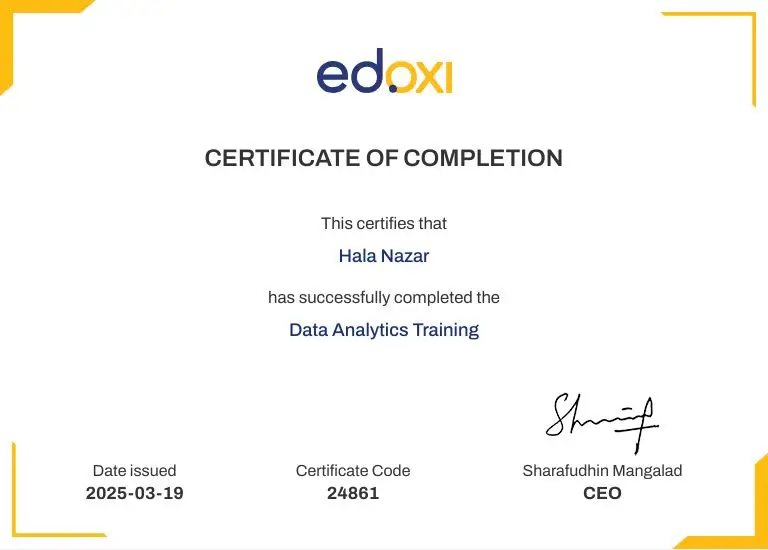

Join Edoxi's Machinery Lubrication Analysis - Level I Course
Edoxi is the top choice for Machinery Lubrication Analysis - Level I. Here's why:
Edoxi's trainers are ICML-certified lubrication and reliability professionals with extensive industrial maintenance experience, delivering expert instruction, practical demonstrations, and mentorship directly relevant to machinery lubrication analysis practice.
The programme is structured to align with ICML Machinery Lubrication Analyst Level I examination domains, ensuring participants gain the specific technical knowledge and competencies required to achieve this globally recognised lubrication certification.
Edoxi's training incorporates hands-on oil sampling exercises, oil analysis report interpretation practice, and contamination control workshops that develop the applied technical skills required for effective machinery lubrication analysis in industrial environments.
The programme provides comprehensive coverage of contamination control strategies, filtration technologies, and lubricant storage best practices, equipping participants to protect machinery from the contamination that is responsible for the majority of premature equipment failures.
Participants receive thorough coverage of all Level I lubrication topics from tribology fundamentals and lubricant chemistry through oil sampling, analysis interpretation, delivery systems, and lubrication programme management in one structured course.
Edoxi customises the Machinery Lubrication Analysis Level I programme for industrial and maintenance teams, aligning content with specific equipment types, operational environments, and reliability improvement objectives to maximise training relevance and impact.

The Machinery Lubrication Analysis Level I course is a comprehensive foundational training programme that equips maintenance, reliability, and engineering professionals with the knowledge and practical skills to implement and manage effective machinery lubrication programmes. The course covers tribology fundamentals, lubricant types and properties, lubrication delivery systems, oil sampling procedures, oil analysis interpretation, contamination control strategies, and ICML Level I certification examination preparation.
The ICML Machinery Lubrication Analyst (MLA) Level I is an internationally recognised professional certification administered by the International Council for Machinery Lubrication. It validates a practitioner's foundational knowledge of lubrication principles, lubricant properties, oil sampling procedures, oil analysis interpretation, and contamination control. The MLA Level I certification is widely recognised across manufacturing, oil and gas, power generation, mining, and other industries as a benchmark of lubrication competency for maintenance and reliability professionals.
No formal lubrication qualifications are required to enrol in the Machinery Lubrication Analysis Level I course. The programme is designed as an introductory course and builds lubrication knowledge progressively from fundamental principles. However, participants with some experience in maintenance, mechanical engineering, or industrial operations will find the content most directly applicable. The course is suitable for both those new to lubrication practice and experienced maintenance professionals seeking to formalise their knowledge through ICML certification.
ICML Machinery Lubrication Analyst Level I certified professionals are employed across a wide range of industries including manufacturing, oil and gas production and refining, power generation and utilities, mining and minerals processing, petrochemicals, cement and construction materials, aerospace, marine, and facilities management. Any industry that relies on rotating machinery, gearboxes, hydraulic systems, or process equipment can benefit from certified lubrication analysts to manage lubrication programmes and reduce machinery failure risk.
Edoxi delivers the Machinery Lubrication Analysis Level I course through three flexible modes: online virtual instructor-led training, face-to-face classroom sessions at Edoxi's training centre, and customised corporate training delivered at the client's premises, a hotel venue, or the Edoxi centre. All delivery modes are facilitated by ICML-certified lubrication professionals and include hands-on oil sampling exercises, oil analysis report interpretation practice, contamination control workshops, and ICML examination preparation support.
| Job Role | Average Annual Salary (USD) |
|---|---|
| Machinery Lubrication Analyst (Level I) | $58,000 |
| Lubrication Technician and Specialist | $55,000 |
| Condition Monitoring Technician | $62,000 |
| Predictive Maintenance Technician | $65,000 |
| Reliability Maintenance Engineer | $78,000 |
| Lube Room and Oil Analysis Coordinator | $60,000 |


