




| Start Date | Duration | Batch Type | Time | Mode | Price | Register |
|---|---|---|---|---|---|---|
| 25-October-2026 | 5 DAYS | Corporate Batch | 09:00 AM - 05:00 PM |
Classroom Qatar, Doha |
$4,000 USD | |
| 01-November-2026 | 5 DAYS | Corporate Batch | 09:00 AM - 05:00 PM |
Classroom Qatar,Doha |
$4,000 USD | |
| 08-November-2026 | 5 DAYS | Corporate Batch | 09:00 AM - 05:00 PM |
Classroom Kuwait,Kuwait City |
$4,000 USD | |
| 15-November-2026 | 5 DAYS | Corporate Batch | 09:00 AM - 05:00 PM |
Classroom Kuwait,Kuwait City |
$4,000 USD | |
| 22-November-2026 | 5 DAYS | Corporate Batch | 09:00 AM - 05:00 PM |
Classroom Bahrain,Manama |
$4,000 USD | |
| 22-November-2026 | 5 DAYS | Corporate Batch | 09:00 AM - 05:00 PM |
Classroom Qatar,Doha |
$4,000 USD | |
| 22-November-2026 | 5 DAYS | Corporate Batch | 09:00 AM - 05:00 PM |
Classroom Bahrain,Manama |
$4,000 USD | |
| 06-December-2026 | 5 DAYS | Corporate Batch | 09:00 AM - 05:00 PM |
Classroom Qatar, Doha |
$4,000 USD | |
| 06-December-2026 | 5 DAYS | Corporate Batch | 09:00 AM - 05:00 PM |
Classroom Kuwait, Kuwait City |
$4,000 USD | |
| 06-December-2026 | 5 DAYS | Corporate Batch | 09:00 AM - 05:00 PM |
Classroom Oman, Muscat |
$4,000 USD | |
| 13-December-2026 | 5 DAYS | Corporate Batch | 09:00 AM - 05:00 PM |
Classroom Qatar,Doha |
$4,000 USD | |
| 20-December-2026 | 5 DAYS | Corporate Batch | 09:00 AM - 05:00 PM |
Classroom Oman,Salalah |
$4,000 USD | |
| 20-December-2026 | 5 DAYS | Corporate Batch | 09:00 AM - 05:00 PM |
Classroom Kuwait,Kuwait City |
$4,000 USD |
Select your preferred location and schedule — customised training tailored to your goals.
The IFRS 9: Financial Instruments programme at Edoxi is a technically rigorous and comprehensive training course designed for finance, accounting, and banking professionals who want to develop authoritative expertise in the classification, measurement, impairment, hedge accounting, and disclosure requirements of IFRS 9. This programme provides a thorough grounding in the standard's core principles, the expected credit loss model, and hedge accounting mechanics.
Participants engage with technical exercises, financial instrument classification scenarios, ECL calculation workings, hedge accounting documentation tasks, and disclosure drafting activities that develop the ability to apply IFRS 9 accurately to diverse financial instrument types across banking, investment, and corporate treasury contexts. The curriculum addresses the full scope of IFRS 9, from the business model assessment and SPPI test through to hedge accounting, derecognition, and comprehensive disclosure preparation.
Edoxi's expert trainers bring extensive experience in IFRS 9 implementation, financial instruments accounting, and banking financial reporting, ensuring every session delivers technically precise and practically applicable knowledge for immediate professional use. Whether you are a bank accountant, treasury professional, financial reporting manager, or auditor, this programme provides the technical skills and certification to apply IFRS 9 with authority and confidence.
Enrol now to master IFRS 9: Financial Instruments and lead financial instruments reporting with technical expertise and professional credibility.
Learn from experienced IFRS 9, financial instruments accounting, and banking financial reporting professionals delivering technically rigorous, practically focused training.
The programme covers the full IFRS 9 standard including classification and measurement, ECL impairment, hedge accounting, derecognition, disclosures, and transition from IAS 39 comprehensively.
Engage in classification scenario analyses, ECL calculation workings, hedge accounting documentation exercises, and disclosure drafting tasks that build genuine IFRS 9 technical competence.
Choose from online, classroom, or corporate training formats designed to accommodate diverse professional schedules and organisational IFRS 9 training and implementation requirements.
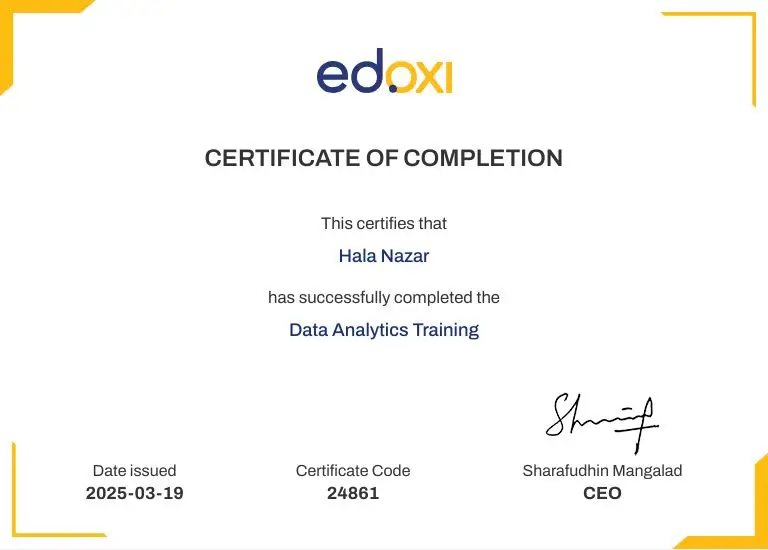
Receive an Edoxi Certificate of Completion acknowledged by employers and organisations internationally across financial reporting, banking, IFRS, and financial instruments accounting domains.
Access continued learning resources, IFRS 9 technical summaries, and trainer guidance to reinforce your financial instruments knowledge and support ongoing implementation after programme completion.
Finance and accounting professionals in banks and financial institutions responsible for IFRS 9 reporting who want to develop comprehensive technical knowledge of the standard.
Financial reporting managers overseeing IFRS 9 compliance who require a thorough understanding of classification, ECL impairment, hedge accounting, and disclosure requirements.
Treasury managers and risk professionals involved in financial instrument management and hedge accounting who want to deepen their IFRS 9 accounting and reporting expertise.
Audit professionals who review IFRS 9 financial statements and require the technical knowledge to audit financial instrument accounting and ECL impairment calculations effectively.
Corporate finance and group accounting professionals who account for financial instruments, derivatives, and hedging arrangements and want to develop specialist IFRS 9 expertise.
Finance and accounting professionals transitioning into financial instruments or banking accounting roles who require structured, specialist IFRS 9 training to establish their technical credentials.
By completing Edoxi's IFRS 9: Financial Instruments, you will build the skills to advance your career.

Here's a four-step guide to becoming a certified professional.

Join Edoxi's IFRS 9: Financial Instruments Course
Edoxi is the top choice for IFRS 9: Financial Instruments. Here's why:
Our trainers are experienced IFRS 9 implementation, financial instruments accounting, and banking financial reporting professionals delivering technically rigorous, practically applicable training.
The programme covers the full IFRS 9 standard including classification, measurement, ECL impairment, hedge accounting, derecognition, IFRS 7 disclosures, and transition from IAS 39.
Participants develop genuine IFRS 9 technical competence through classification scenario analyses, ECL calculation workings, hedge accounting documentation, and disclosure drafting activities.
Online, classroom, and corporate training formats are available, allowing finance professionals and organisations to select the most suitable mode for their schedules and IFRS 9 training requirements.
Edoxi's IFRS 9: Financial Instruments certificate is acknowledged by employers and organisations internationally across financial reporting, banking accounting, and financial instruments domains.
Edoxi provides continued access to IFRS 9 technical summaries, learning resources, and trainer guidance ensuring participants apply the standard with technical confidence after programme completion.

The IFRS 9: Financial Instruments course at Edoxi is a comprehensive training programme covering the classification and measurement of financial assets and liabilities, the expected credit loss impairment model, hedge accounting, derecognition of financial instruments, IFRS 7 and IFRS 9 disclosure requirements, and transition from IAS 39 to IFRS 9. It is designed for finance, accounting, and banking professionals who need authoritative IFRS 9 expertise.
The IFRS 9: Financial Instruments training at Edoxi is a 40-hour programme. For corporate groups, the content is delivered over 5 days. The programme is available in online, classroom, and corporate training formats to accommodate different schedules and organisational IFRS 9 training requirements.
This course is suitable for bank and financial institution accountants, financial reporting managers, treasury and risk professionals, external and internal auditors, corporate finance professionals, and finance and accounting professionals transitioning into financial instruments or banking accounting roles. It is ideal for anyone who needs to apply, audit, or oversee IFRS 9 in a financial reporting context.
Upon successfully completing the IFRS 9: Financial Instruments course and its assessments, participants will receive an Edoxi Certificate of Completion. This certificate is recognised by employers and organisations internationally and validates your expertise in IFRS 9 classification, measurement, ECL impairment, hedge accounting, derecognition, and financial instruments disclosure requirements.
Yes, Edoxi offers the IFRS 9: Financial Instruments training in an online format. The online programme features virtual expert-led instruction, interactive classification scenario analyses, ECL calculation exercises, hedge accounting documentation tasks, real-time Q&A sessions, and flexible scheduling to accommodate finance professionals across different time zones.
| Job Role | Average Annual Salary (USD) |
|---|---|
| Financial Instruments Reporting Manager | $92,000 |
| IFRS 9 Implementation Specialist | $105,000 |
| Bank Financial Reporting Accountant | $78,000 |
| Treasury Accounting Manager | $88,000 |
| Financial Instruments External Auditor | $82,000 |
| Group Finance Manager — Financial Instruments | $98,000 |


