

![Asset Reliability Practitioner® [ARP-E] - Reliability Engineer Training Course](https://api.edoxi.com//assets/banner/course-banner-default.webp)


| Start Date | Duration | Batch Type | Time | Mode | Price | Register |
|---|---|---|---|---|---|---|
| 25-October-2026 | 5 DAYS | Corporate Batch | 09:00 AM - 05:00 PM |
Classroom Kuwait,Kuwait City |
$4,000 USD | |
| 01-November-2026 | 5 DAYS | Corporate Batch | 09:00 AM - 05:00 PM |
Classroom Qatar, Doha |
$4,000 USD | |
| 08-November-2026 | 5 DAYS | Corporate Batch | 09:00 AM - 05:00 PM |
Classroom Kuwait,Kuwait City |
$4,000 USD | |
| 15-November-2026 | 5 DAYS | Corporate Batch | 09:00 AM - 05:00 PM |
Classroom Qatar, Doha |
$4,000 USD | |
| 22-November-2026 | 5 DAYS | Corporate Batch | 09:00 AM - 05:00 PM |
Classroom Kuwait,Kuwait City |
$4,000 USD | |
| 22-November-2026 | 5 DAYS | Corporate Batch | 09:00 AM - 05:00 PM |
Classroom Bahrain,Manama |
$4,000 USD | |
| 22-November-2026 | 5 DAYS | Corporate Batch | 09:00 AM - 05:00 PM |
Classroom Oman, Muscat |
$4,000 USD | |
| 22-November-2026 | 5 DAYS | Corporate Batch | 09:00 AM - 05:00 PM |
Classroom Bahrain,Manama |
$4,000 USD | |
| 06-December-2026 | 5 DAYS | Corporate Batch | 09:00 AM - 05:00 PM |
Classroom Qatar, Doha |
$4,000 USD | |
| 13-December-2026 | 5 DAYS | Corporate Batch | 09:00 AM - 05:00 PM |
Classroom Kuwait, Kuwait City |
$4,000 USD | |
| 13-December-2026 | 5 DAYS | Corporate Batch | 09:00 AM - 05:00 PM |
Classroom Oman, Muscat |
$4,000 USD | |
| 20-December-2026 | 5 DAYS | Corporate Batch | 09:00 AM - 05:00 PM |
Classroom Qatar,Doha |
$4,000 USD | |
| 20-December-2026 | 5 DAYS | Corporate Batch | 09:00 AM - 05:00 PM |
Classroom Oman,Salalah |
$4,000 USD | |
| 27-December-2026 | 5 DAYS | Corporate Batch | 09:00 AM - 05:00 PM |
Classroom Kuwait,Kuwait City |
$4,000 USD |
Select your preferred location and schedule — customised training tailored to your goals.
Edoxi’s 40-hour Asset Reliability Practitioner® [ARP-E] Reliability Engineer programme is designed for reliability engineers and asset management professionals who want to strengthen their technical expertise in reliability engineering. The course provides the advanced knowledge and practical skills required to prepare confidently for the ARP-E certification.
Participants will explore reliability engineering fundamentals, failure analysis methodologies, reliability-centred maintenance strategy, statistical life data analysis, asset risk and criticality assessment, and reliability programme management. The programme integrates real-world engineering case studies, applied reliability analysis exercises, and structured scenario-based learning that bridges reliability theory with practical asset management challenges.
Delivered by certified reliability practitioners with extensive industry experience, the course is structured to build ARP-E examination readiness progressively across all content domains. Whether you are a practising reliability engineer formalising your credentials or an asset management professional seeking to specialise in reliability engineering, this programme provides the comprehensive preparation you need.
Enrol now to gain the ARP-E certification readiness that validates your reliability engineering expertise and advances your career.
Course content is comprehensively mapped to the ARP-E body of knowledge, ensuring systematic and thorough preparation across all reliability engineering content domains and examination requirements.
Learn from ARP-certified reliability professionals with extensive real-world engineering experience and deep expertise in reliability methodologies, failure analysis, and asset management programmes.
Engage in hands-on Weibull analysis, FMEA exercises, RCM workshops, and reliability modelling tasks that build practical reliability engineering competencies directly applicable in your professional role.
The programme dedicates significant attention to failure analysis methodologies and reliability-centred maintenance strategy, reflecting the core technical competencies assessed in the ARP-E examination.
Choose from online, classroom, or corporate training formats designed to accommodate reliability engineering professionals and organisational teams with varying schedules and certification preparation requirements.
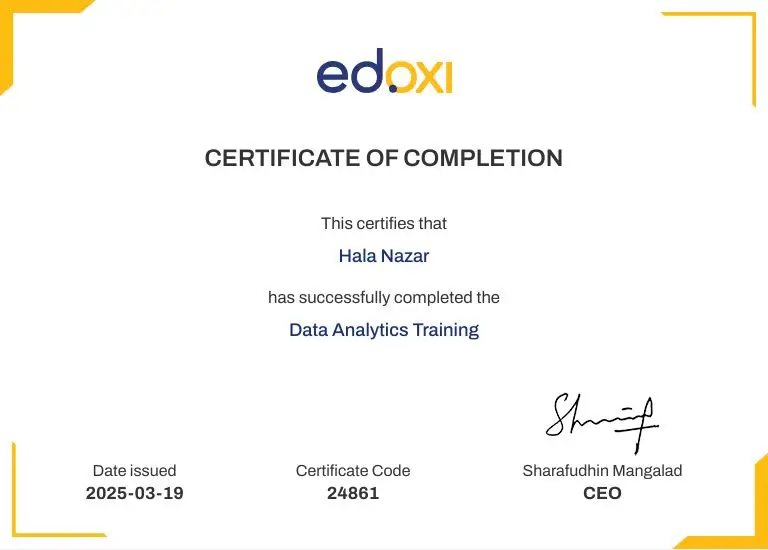
Receive an Edoxi Certificate of Completion that validates your ARP-E preparation training and strengthens your professional profile in competitive reliability engineering and asset management markets.
Practising reliability engineers seeking to formalise their technical expertise through the ARP-E certification and advance their careers in asset reliability and maintenance engineering fields.
Maintenance engineers and maintenance planners looking to expand their reliability engineering knowledge, apply RCM methodologies, and prepare for the ARP-E certification examination effectively.
Asset managers and integrity engineers responsible for managing physical asset performance who want to deepen their reliability engineering competency and achieve ARP-E professional recognition.
Operations and production engineers seeking to understand reliability engineering principles, reduce unplanned downtime, and contribute meaningfully to organisational reliability improvement programmes.
Facilities and infrastructure engineers managing critical physical assets who want to apply reliability-centred maintenance strategies and build structured asset reliability management capabilities.
Quality assurance and health, safety, and environment engineers who want to incorporate reliability engineering principles into their risk management, safety assurance, and asset integrity programmes.
By completing Edoxi's Asset Reliability Practitioner® [ARP-E] - Reliability Engineer, you will build the skills to advance your career.

Here's a four-step guide to becoming a certified professional.

Join Edoxi's Asset Reliability Practitioner® [ARP-E] - Reliability Engineer Course
Edoxi is the top choice for Asset Reliability Practitioner® [ARP-E] - Reliability Engineer. Here's why:
Edoxi's programme is comprehensively mapped to the ARP-E body of knowledge, ensuring systematic and thorough preparation across all reliability engineering content domains and examination requirements.
Our instructors are ARP-certified reliability professionals with extensive real-world engineering experience who bring deep reliability methodology expertise into every training session they deliver.
Training incorporates Weibull analysis, FMEA exercises, RCM workshops, and life data modelling tasks that build genuine applied reliability engineering competencies directly applicable in professional roles.
Edoxi dedicates significant course time to failure analysis methodologies and RCM strategy development, reflecting the core technical competencies assessed across the ARP-E examination domains.
Online, classroom, and corporate training formats are available, giving reliability engineering professionals and organisational teams the flexibility to engage with the programme in the most suitable mode.
Participants earn the Edoxi Certificate of Completion, recognising their successful training in ARP-E preparation and reliability engineering concepts. The credential strengthens career opportunities and professional value in the global asset management sector.

Edoxi's Asset Reliability Practitioner® [ARP-E] - Reliability Engineer programme is designed to prepare reliability engineers and asset management professionals for the ARP-E certification. The course covers reliability engineering fundamentals, failure analysis methodologies, reliability-centred maintenance strategy, statistical life data analysis, asset criticality assessment, maintenance optimisation, and reliability programme management.
The Asset Reliability Practitioner® Engineer (ARP-E) is a globally recognised professional certification that validates advanced reliability engineering competency across the full spectrum of reliability disciplines. It is awarded by the Association of Asset Management Professionals (AMP) and is respected by employers in industries including oil and gas, manufacturing, utilities, mining, and infrastructure management worldwide.
This course is designed for reliability engineers, maintenance engineers and planners, asset managers and integrity engineers, operations and production engineers, facilities and infrastructure engineers, and quality and HSE engineers who want to formalise their reliability engineering expertise through ARP-E certification and advance their professional careers in asset reliability management.
The course is structured across eight modules covering reliability engineering fundamentals, failure analysis methodologies, reliability-centred maintenance strategy, statistical reliability modelling and life data analysis, asset criticality assessment and risk-based inspection, maintenance optimisation and total cost of ownership, reliability programme management and continuous improvement, and ARP-E examination review and practice assessment.
Yes. Upon successfully completing Edoxi's Asset Reliability Practitioner® [ARP-E] - Reliability Engineer course and fulfilling all course requirements, participants will receive an Edoxi Certificate of Completion. This certificate validates your ARP-E preparation training and demonstrates your commitment to professional development in reliability engineering to current and prospective employers.
| Job Role | Average Annual Salary (USD) |
|---|---|
| Reliability Engineer | $95,000 |
| Maintenance and Reliability Specialist | $90,000 |
| Asset Integrity Engineer | $98,000 |
| RCM Facilitator | $92,000 |
| Reliability Programme Manager | $112,000 |
| Asset Management Consultant | $118,000 |


