Request a Callback

+971 43801666
 Nov 20, 2025
Workplace stress is a negative physical and emotional response triggered by an unhealthy work environment. Heavy work pressure, poor workplace relationships, long working hours, and job insecurity are among the primary reasons for stress.
The excessive stress may lead to poor mental and physical health, decreased productivity, focus, and job satisfaction. Stress causes a constant feeling of exhaustion, overwhelming, and anxiety. Tension, sadness, anger, and discomfort are the other emotions that come along with stress. This can lead to poor quality of work performance and can badly affect your career.
“According to a global survey by Gallup reported in the World Economic Forum, rising stress and disengagement are creating a “direct impact” on the economy — the drop in productivity, retention and profitability is estimated to equal about US $7.8 trillion, or nearly 11 % of global GDP.
If you are a professional who is struggling with workplace stress and wants to get rid of it, then we are here to guide you. This blog explains how effective stress management can enhance your long-term career growth and guides you with top stress management techniques.
Managing your stress proactively can positively impact your career performance. You can self-manage your stress to an extent with some smart techniques. Below are the 8 top stress management techniques you can look for.
Practice the 4 A’s of stress management
Practice effective time management
Develop emotional intelligence
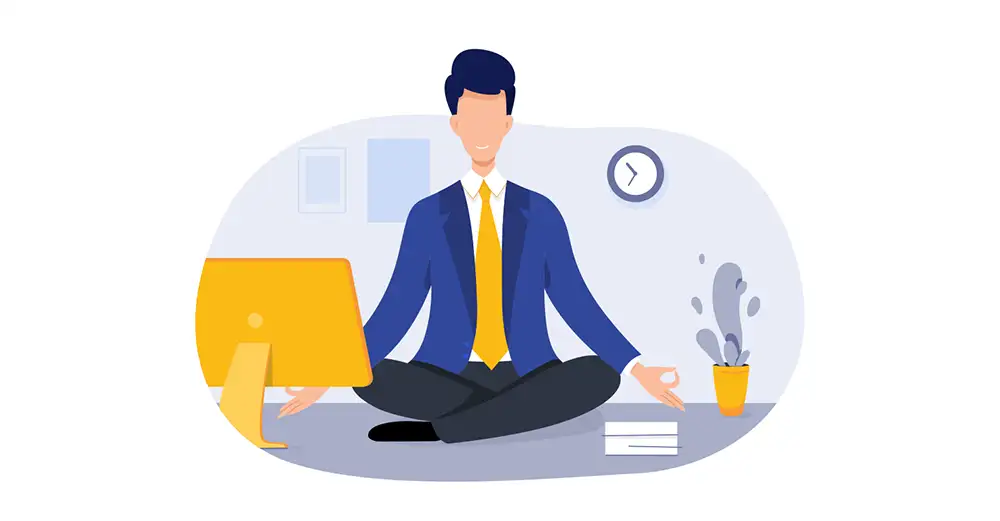
Integrate mindfulness and meditation
Exercise regularly and Stay Physically Active
Maintain a healthy work-life balance
Seek social support
Develop problem-solving and coping skills
The four A’s of stress management are “Avoid, Alter, Adapt, and Accept”. Learning to avoid unnecessary stress, alter the situations in your control, adapt flexibly to the change, and accept the situation that is not in your control. Constant practice of these 4 A’s can lead to a reduced level of stress. Here are some healthy practices of the 4 A’s you can implement in your daily life.
Time management has a crucial role in reducing stress levels. With the use of to-do lists and planners, you can prioritise things according to their urgency, set and meet deadlines effortlessly. You can easily manage your time by taking a professional training course in time management. This helps to reduce the last-minute pressure and improve overall punctuality and productivity.
Emotional intelligence is your ability to acknowledge and handle your own emotions and understand others’ emotions with empathy. With the help of professional training, you can enhance your emotional intelligence. High emotional intelligence helps you to improve workplace relationships, stay composed in conflicts, and make sound decisions.
Integrating mindfulness and meditation in your daily routine can create magic. Your thoughts and vision will be clearer and focused. Enhanced resilience and emotional intelligence can help you stay calm in chaos. Investing even just a few minutes in meditation can help you reduce your stress.
Being physically fit and healthy can improve your mental health. Physical activity can release endorphins and the body’s natural stress relievers. Short walks and stretches during the breaks can reduce stress and improve your concentration. So exercising regularly is a great technique to relieve stress.
Setting boundaries and saying “no” is another simple strategy to reduce your stress level. You deserve relaxation, family time, and time for hobbies and interests outside your career. So, setting boundaries between your personal and professional life and learning to say “no” to unrealistic expectations are very significant.
To reduce stress and develop a sense of belonging, you need to communicate with your supportive group of friends, colleagues, or mentors. Sharing experiences, whether good or bad, and seeking advice from a compassionate circle is therapeutic.
Developing problem-solving skills can help you with evaluating challenges and finding innovative and strategic solutions to them. The coping skills can improve your confidence and reduce anxiety under pressure. This systematic approach towards challenges and conflict leads to a decreased level of stress. You can develop strong problem-solving skills by taking professional training.
Effective stress management can help you advance in your personal and professional life. A professional with a heavily responsible career has the highest probability of undergoing stress. Professional guidance is very helpful for effective stress management. Effectively managing stress can create a magical transformation in your career life. Let us explore how effective stress management can enhance your career performance.
Once you start managing the stress, you can think clearly and prioritise things accordingly. The managed stress can improve your ability to make the best decisions, meet deadlines, be punctual, and give high-quality work.
Great emotional stability is the key to reducing burnout and unlocking long-term career growth. Managing your stress effectively helps develop emotional stability and resilience. This can help you cope with workplace challenges, struggles, and criticism and stay positive in your work environment.
Once you start getting relaxed, you think broadly and clearly and are open to more creative ideas. This improves your creativity and strategic problem-solving ability. These qualities help you advance to leadership roles.
The effective management of stress can build soft skills, communication skills and empathy. This can foster collaboration and teamwork in the workplace. Your mastery of communication, good attitude towards colleagues, and empathy can enhance your professional reputation as a reliable employee.
Read more about How to Improve Your Soft Skills in the Workplace.
Satisfaction and consistent motivation are the greatest gifts that every professional deserves. When you manage stress in your workplace, it can enhance your productivity and work quality. You can also gain appraisals, promotions, and appreciations. This increases job satisfaction and motivation.
A well-managed stress level can improve the work-life balance, which leads to a healthy life. Your mental, physical and emotional struggles can be healed. This helps you to maintain consistent attendance and great performance.
Stress management strategies are effective to an extent. However, sometimes issues can surpass your self-management abilities. Recognise your limits and do not hesitate to seek professional assistance if needed. Asking for help is never a weakness; it demonstrates wisdom and strength. Here are the signs indicating you may require professional support.
Are you experiencing these overwhelming difficulties? Then it is high time to seek professional help. Avoidance often comes from a lack of awareness about trustworthy professionals available during such times of struggle. Below are some reliable sources of assistance you can reach out to.
Your workplace is a place where you have to thrive. The growth can only be achieved when you are enjoying the process. A stressful work environment can kill your productivity, limit your creativity and drain your energy. At this point, you lose the purpose of your profession; it will be limited to just another obligation. Soft skills are becoming ever more important for thriving in a workplace.
Practising some smart techniques, you can regain the magic of growth by controlling your stress. Emotional intelligence, balanced lifestyle, healthy habits, systematic strategies, professional help, etc, can help you transform your life stress-free. An effectively managed stress level can enhance your well-being and rejuvenate your profession.