


Edoxi’s Revit Structure course in Qatar is a 35-hour program covering Structural Modelling, Structural Drawings & Documentation, and BIM Coordination & Collaboration. Available in classroom, live online, and corporate formats, the programme aligns with Autodesk standards. Complete 5+ practical projects and receive Edoxi's Course Completion Certificate, recognised across Qatar.



Edoxi is an Autodesk Authorised Training Centre in Qatar, offering a 35-hour advanced Revit Structure course designed for AEC professionals and students. The programme covers 14 comprehensive modules, from BIM fundamentals and structural modelling to reinforcement, steel and precast structures, family creation, documentation, worksharing, and BIM coordination.
Learners complete 5+ real-world projects, including a G+4 commercial building, gaining hands-on experience in foundations, structural frameworks, reinforcement, parametric components, steel elements, drawings, schedules, and BIM workflows. Training is delivered through classroom, live online, and corporate training formats, with corporate programmes customised to organisational requirements. The training aligns with the Qatar National Vision 2030, helping learners understand how BIM supports Qatar’s digital transformation and sustainable construction goals.
The course is led by Mander Singh, a Senior Design Professional with 9+ years of experience in architecture, BIM, Revit, and project management, bringing practical project experience to the desk. Learners receive personalised guidance throughout the training and, after completing the projects and final assessment, earn Edoxi’s Course Completion Certificate.
The training is suitable for civil and structural engineers, BIM modellers, CAD draftsmen, planning engineers, VDC professionals, construction project managers, students, and fresh graduates looking to develop industry-ready structural BIM skills in Qatar.
What is Revit Structure?
Revit Structure is an Autodesk BIM software for structural engineers that enables professionals to design, model, and document building structures using intelligent 3D models. It supports concrete and steel structural modelling, rebar detailing, foundations, beams, columns, trusses, analytical modelling, and structural documentation, while enabling seamless coordination with architectural and MEP teams to improve project accuracy and reduce design clashes.
Train on the latest Autodesk Revit software and explore tools and workflows used in modern structural design and BIM projects.
Build a G+4 commercial building and work on 5+ practical projects covering concrete, steel, foundations, reinforcement, and structural detailing.
Access Revit structural guides, practical exercises, BIM documentation templates, and other resources to support your learning.
Learn to implement BIM LOD standards, manage linked models, and coordinate structural designs with architectural and MEP teams.
Professionals looking to enhance their structural design and BIM capabilities.
Individuals aiming to build a strong foundation in structural BIM and Revit.
Practitioners seeking to advance their structural modelling skills.
Professionals transitioning from traditional drafting to BIM-based workflows.
Individuals responsible for improving coordination and structural modelling accuracy.
Professionals overseeing BIM implementation and looking to strengthen structural expertise.
Those interested in integrating BIM into project planning and scheduling.
Professionals aiming to improve coordination using structural BIM processes.
Our BIM Revit Structure course is designed to provide you with hands-on experience in designing a G+4 commercial building using Autodesk Revit software. Our integrated project-based approach helps you develop the theoretical knowledge and practical skills required for real-world structural modelling. Key projects include
Students begin with foundation design implementation. The project phase covers structural calculations and modelling techniques.
The project incorporates a parametric staircase design within the commercial structure. Students ensure compliance with structural requirements and safety standards.
Participants develop the building's core structure through beam-column system modelling. The work includes connection detailing and load distribution analysis.
Students create adaptive and flexible structural elements. The work includes parameter-based family development.
Students apply steel structural elements where required in the commercial building. This includes detailed connection modelling and member placement.
The Revit Structure course equips you with vital skills to streamline your workflow, enhance collaboration, and deliver accurate, detailed projects. Key Course outcomes include;

Get expert assistance in getting your Revit Structure Course Customised!
Here’s a four-step guide to becoming a certified Revit Structure professional.
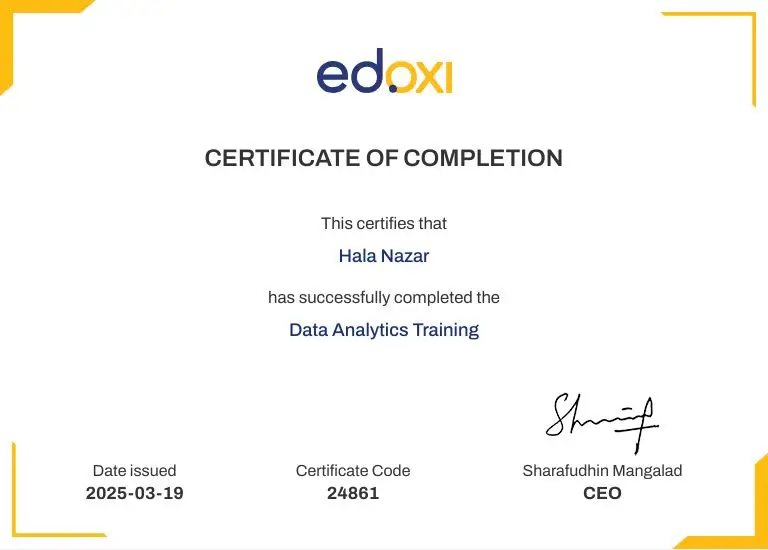
Join Edoxi’s Revit Structure Course
Edoxi Training Center is a leading Autodesk Authorised Revit Training Institute in Qatar, offering industry-standard professional courses. Here are some of the reasons why you should choose Edoxi for your training needs
Train with Edoxi, an Autodesk Authorised Training Centre in Qatar, following industry-aligned Revit training practices.
Learn from experienced professionals such as Mander Singh, a Senior Design Professional with 9+ years of experience in architecture, BIM, Revit, and project management.
Develop skills relevant to Qatar’s AEC industry, including BIM workflows and a BIM implementation roadmap aligned with Qatar National Vision 2030.
Choose from classroom, live online, or corporate training, with flexible scheduling options to suit individual and organisational requirements.
Organisations can receive tailored Revit Structure programmes based on their team skill levels, project requirements, and business objectives, delivered at Edoxi, the client’s premises, or a suitable venue.
Gain hands-on experience designed to prepare you for roles such as BIM Modeller, Structural BIM Technician, Revit Structural Designer, BIM Coordinator, and Structural BIM Manager.
Edoxi has delivered corporate training for organisations including KhanSaheb, TATA Steels Middle East, Atkins, and TRANSCO, demonstrating experience in professional and corporate training.

Our mentors are leaders and experts in their fields. They can challenge and guide you on your road to success!

MANDER G SINGH
Mander Singh is a Senior Design Professional with over 9 years of experience in interior design, architecture, and project management. He specialises in BIM, modelling, drafting, and sustainable design, using tools like AutoCAD, Revit, SketchUp, and Lumion. Mander is known for his practical, hands-on training that equips learners with real-world skills in architecture and interior design.
Mander holds a Bachelor's in Architecture and is certified in Advanced Revit Training. He has led high-end commercial and hospitality projects in India and the UAE. He also has experience in delivering innovative design solutions and managing fit-out projects. Mander is passionate about sustainable design, mentoring future talent, and using the latest technology to boost creativity and efficiency.
Here is the list of other major locations where Edoxi offers Revit Structure Course
A Revit Structure Course is a specialised training program that teaches civil engineers, structural designers, draftspersons, and BIM modellers how to use Autodesk Revit for structural engineering and Building Information Modelling (BIM). The course focuses on building a virtual model of a building's skeleton, including footings, columns, beams, slabs, trusses, and rebar.
The course is designed for civil and structural engineers, structural draftspersons, CAD technicians, BIM modellers, and site engineers looking to transition into 3D BIM workflows. Fresh civil engineering graduates and diploma holders can also enrol to gain job-ready skills.
You do not need prior experience in 3D modelling, but a basic understanding of structural engineering concepts (such as columns, beams, foundations, and rebar details) and 2D CAD drafting is recommended. Beginners can still take the course, as most programs start with fundamental tools before advancing.
Yes. Standard courses teach Copy/Monitor tools to link architectural and MEP models, manage shared coordinates, and implement Level of Development (LOD 100 to LOD 400) standards used in multi-disciplinary construction projects.
Train at our Autodesk Authorised Training Centre (ATC) in Qatar, and you will receive an official Autodesk Course Completion Certificate.
Yes. Edoxi is licensed by the Ministry of Education and Higher Education (MOEHE) in Qatar; private firms, engineering consultancies, and contractors recognise the certificate as legitimate proof of structured professional development.
Qatar’s construction market relies heavily on digital delivery. Proficiency in Revit Structure qualifies you for roles such as BIM Modeller, Revit Structural Technician, BIM Coordinator, or Structural Detailer, giving you a competitive edge over traditional 2D CAD drafters.
Yes. Major public entities such as Ashghal (Public Works Authority), Kahramaa, and primary consulting firms mandate BIM compliance for infrastructure, stadium maintenance, commercial builds, and residential developments.
Both options are widely available in Qatar. You can choose in-person training at local centres in Doha (e.g., C-Ring Road, Salwa Road) equipped with CAD/BIM labs, or opt for live-instructor-online sessions using real-world project drawings.
In Qatar, professionals with Revit Structure skills earn between QAR 4,000 and QAR 25,000+ per month, depending on experience level, educational background, and job responsibilities. Entry-level modellers typically start around QAR 4,000 to QAR 6,500; mid-level BIM structural modellers and detailers make QAR 6,500 to QAR 10,000, while experienced BIM Coordinators and Structural Engineers command QAR 10,000 to QAR 25,000+.


