Leave your message to get our quick response
edoxi automated message icon

CompTIA CySA+ Training in Qatar

A professional CompTIA CySA+ course setup showing a cybersecurity analyst monitoring threat dashboards, security logs, and network activity on multiple screens in a modern security operations environment.

Edoxi’s 40-hour CompTIA CySA+ training sharpens your cybersecurity threat detection and response skills.​ Provides skills in security operations, vulnerability management, incident response, and reporting for professionals. Gain proficiency with Splunk, ELK Stack, Wireshark, and various vulnerability scanners. Work on projects like security event log analysis & malware traffic analysis. Prepare for the CS0-003 exam. Enrol now to advance your cybersecurity career in Qatar.

Course Duration
40 Hours
Corporate Days
5 Days
Learners Enrolled
100+
Modules
4
star-rating-icon1
star-rating-icon2
star-rating-icon3
Course Rating
4.9
star-rating-4.9
Mode of Delivery
Online
Classroom
Certification by

What You’ll Learn from the CompTIA CySA+ Course in Qatar

Security Operations
Master threat detection techniques through log analysis and network monitoring. Develop skills in recognising attack patterns and implementing defensive countermeasures.
Vulnerability Management
Learn systematic approaches to identify, classify, and mitigate security weaknesses. Implement comprehensive scanning procedures and prioritise remediation based on risk assessment.
Incident Response and Management
Develop capabilities to effectively detect and respond to security incidents following industry frameworks. Create response playbooks and conduct post-incident analysis.
Reporting and Communication
Craft clear, actionable security reports for technical and executive audiences. Transform complex findings into structured recommendations that drive security improvements.

About Our CompTIA CySA+ Training in Qatar

​Edoxi's 40-hour CompTIA CySA+ certification training in Qatar is designed for IT professionals seeking to master advanced cybersecurity threat detection and response.​ This program is available in both online and offline formats, covering essential domains such as security operations, vulnerability management, incident response, and reporting.
 
Our curriculum emphasises practical, hands-on experience using industry-standard tools like Splunk, ELK Stack, and Wireshark. You can engage in real-world cybersecurity scenarios, including vulnerability assessments, malware traffic analysis, and threat hunting exercises, to develop skills crucial for Security Operations Center (SOC) roles. Our CompTIA CySA+ training covers all four CompTIA CySA+ domains, preparing students for the CS0-003 certification exam through targeted instruction and practice.
 
This CySA+ course equips IT and cybersecurity professionals to enhance analytical skills and advance into mid-level cybersecurity roles worldwide. Upon completion, you will gain the Edoxi CompTIA CySA+ course completion certificate. This credential validates your skills to effectively identify, analyse, and respond to complex security incidents, which are highly valued by employers across various sectors. 
 
Enrol now to strengthen your cybersecurity expertise and accelerate your career in high-demand security roles in Qatar.
 

Key Features of Our CompTIA CySA+ Training in Qatar

Real-World Security Scenarios

Analyse authentic security incidents and vulnerabilities that replicate enterprise environments and real-world attack vectors.

Official CompTIA Study Materials

Access authorised CompTIA guides, lab manuals, and specialised resources to support exam preparation and professional reference.

Comprehensive Security Tool Training

Gain hands-on mastery of industry-standard tools such as Splunk, ELK Stack, Wireshark, and vulnerability scanners through guided practical exercises.

Vulnerability Assessment Workshops

Perform vulnerability scans, prioritise findings using CVSS, and design remediation strategies in simulated enterprise networks.

Incident Response Playbook Development

Develop and implement customised incident response playbooks aligned with industry best practices and frameworks.

Exam Preparation Support

Receive focused coaching for the CS0-003 exam, including practice questions, domain-specific reviews, and effective test-taking strategies.

Who Can Join Edoxi’s CompTIA CySA+ Training in Qatar?

IT Security Professionals

Working in cybersecurity roles seeking to advance their threat analysis capabilities.

Network Administrators

Managing network infrastructure with basic security knowledge, ready for specialised training.

System Administrators

Responsible for system security, wanting to develop advanced threat detection skills.

Security Operations Analysts

Looking to enhance their technical capabilities and advance to mid-level SOC positions.

Cybersecurity Consultants

Providing security services that need formal certification and analytical methodology training.

IT Professionals

With networking knowledge,e transitioning to specialised cybersecurity analysis roles.

CompTIA CySA+ Course Modules

Module 1: Security Operations Fundamentals
  • Chapter 1.1: System and Network Architecture in Security Operations

    • Lesson 1.1.1: Log ingestion and time synchronisation
    • Lesson 1.1.2: Logging levels and their importance
    • Lesson 1.1.3: Windows Registry overview and security
    • Lesson 1.1.4: System hardening techniques
    • Lesson 1.1.5: File structures and configuration file locations
    • Lesson 1.1.6: Understanding system processes
    • Lesson 1.1.7: Overview of hardware architecture
    • Lesson 1.1.8: Infrastructure concepts: Serverless, Virtualisation, and Containerization
    • Lesson 1.1.9: Network architecture: On-premises, Cloud, and Hybrid
    • Lesson 1.1.10: Network segmentation and Zero Trust principles
    • Lesson 1.1.11: Secure Access Service Edge (SASE) and Software-Defined Networking (SDN)
    • Lesson 1.1.12: Identity and access management techniques
    • Lesson 1.1.13: Encryption concepts: PKI and SSL inspection
    • Lesson 1.1.14: Sensitive data protection methods
  • Chapter 1.2: Analysing Indicators of Malicious Activity

    • Lesson 1.2.1: Network-related indicators
    • Lesson 1.2.2: Host-related indicators
    • Lesson 1.2.3: Application-related indicators
    • Lesson 1.2.4: Social engineering and obfuscated links
  • Chapter 1.3: Tools and Techniques for Malicious Activity Detection

    • Lesson 1.3.1: Packet capture tools: Wireshark and tcpdump
    • Lesson 1.3.2: Log analysis with SIEM and SOAR
    • Lesson 1.3.3: Endpoint security with EDR
    • Lesson 1.3.4: DNS and IP reputation analysis
    • Lesson 1.3.5: File analysis with Strings and VirusTotal
    • Lesson 1.3.6: Sandboxing with Joe Sandbox and Cuckoo Sandbox
    • Lesson 1.3.7: Pattern recognition and interpreting suspicious commands
    • Lesson 1.3.8: Email analysis techniques and protocols
    • Lesson 1.3.9: File analysis and hashing
    • Lesson 1.3.10: User behaviour analysis
    • Lesson 1.3.11: Scripting languages and formats used in analysis
  • Chapter 1.4: Threat Intelligence and Threat Hunting

    • Lesson 1.4.1: Understanding various threat actors
    • Lesson 1.4.2: Tactics, techniques, and procedures (TTPs)
    • Lesson 1.4.3: Confidence levels and threat relevance
    • Lesson 1.4.4: Threat intelligence collection methods
    • Lesson 1.4.5: Intelligence sharing in security operations
    • Lesson 1.4.6: Threat hunting using Indicators of Compromise (IoCs)
    • Lesson 1.4.7: Focus areas and active defence methods
  • Chapter 1.5: Efficiency and Process Improvement in Security Operations

    • Lesson 1.5.1: Standardising processes and identifying automation candidates
    • Lesson 1.5.2: Streamlining operations with SOAR and orchestration
    • Lesson 1.5.3: Integrating tools via APIs, webhooks, and plugins
    • Lesson 1.5.4: Implementing a single pane of glass approach
Module 2: Vulnerability Management
  • Chapter 2.6: Vulnerability Scanning Concepts

    • Lesson 2.6.1: Asset discovery and device fingerprinting
    • Lesson 2.6.2: Special considerations in scanning
    • Lesson 2.6.3: Scanning types: internal vs. external, agent vs. agentless
    • Lesson 2.6.4: Passive vs. active and static vs. dynamic scanning
    • Lesson 2.6.5: Scanning in critical infrastructure environments
    • Lesson 2.6.6: Security baseline scanning and industry frameworks
  • Chapter 2.7: Analysing Vulnerability Assessment Tool Output

    • Lesson 2.7.1: Network scanning and mapping tools
    • Lesson 2.7.2: Web application vulnerability scanners
    • Lesson 2.7.3: Vulnerability scanning tools like Nessus and OpenVAS
    • Lesson 2.7.4: Debuggers and multipurpose tools
    • Lesson 2.7.5: Cloud infrastructure assessment tools
  • Chapter 2.8: Prioritising and Mitigating Vulnerabilities

    • Lesson 2.8.1: CVSS interpretation and scoring metrics
    • Lesson 2.8.2: True/false positives and negatives
    • Lesson 2.8.3: Context awareness and exploitability
    • Lesson 2.8.4: Asset valuation and zero-day vulnerabilities
  • Chapter 2.9: Controls to Mitigate Software Vulnerabilities

    • Lesson 2.9.1: Cross-site scripting and overflow vulnerabilities
    • Lesson 2.9.2: Cryptographic failures and data poisoning
    • Lesson 2.9.3: Broken access control and injection flaws
    • Lesson 2.9.4: Security misconfiguration and insecure design
    • Lesson 2.9.5: Vulnerabilities from outdated components
    • Lesson 2.9.6: Identification and authentication failures
    • Lesson 2.9.7: Remote code execution and file inclusion vulnerabilities
  • Chapter 2.10: Vulnerability Response and Secure Development

    • Lesson 2.10.1: Control types and compensating controls
    • Lesson 2.10.2: Patch management and configuration processes
    • Lesson 2.10.3: Risk management principles
    • Lesson 2.10.4: Policies, governance, and service level objectives
    • Lesson 2.10.5: Attack surface management strategies
    • Lesson 2.10.6: Secure coding practices
    • Lesson 2.10.7: Secure software development life cycle (SDLC)
    • Lesson 2.10.8: Threat modelling techniques
Module 3: Incident Response and Management
  • Chapter 3.11: Attack Methodology Frameworks

    • Lesson 3.11.1: Cyber kill chain
    • Lesson 3.11.2: Diamond Model of Intrusion Analysis
    • Lesson 3.11.3: MITRE ATT&CK framework
    • Lesson 3.11.4: OSS TMM and OWASP Testing Guide
  • Chapter 3.12: Incident Response Activities

    • Lesson 3.12.1: Detection and analysis using IoCs
    • Lesson 3.12.2: Evidence acquisition and chain of custody
    • Lesson 3.12.3: Containment, eradication, and recovery processes
  • Chapter 3.13: Incident Preparation and Post-Incident Activities

    • Lesson 3.13.1: Developing an incident response plan
    • Lesson 3.13.2: Preparing tools and training
    • Lesson 3.13.3: Conducting tabletop exercises and BC/DR integration
    • Lesson 3.13.4: Post-incident forensic and root cause analysis
    • Lesson 3.13.5: Lessons learned and future readiness
Module 4: Reporting and Communication
  • Chapter 4.14: Vulnerability Management Reporting

    • Lesson 4.14.1: Reporting on vulnerabilities and risk scores
    • Lesson 4.14.2: Compliance and action planning
    • Lesson 4.14.3: Inhibitors to remediation and legacy considerations
    • Lesson 4.14.4: Metrics, KPIs, and trend analysis
    • Lesson 4.14.5: Stakeholder communication strategies
  • Chapter 4.15: Incident Response Communication

    • Lesson 4.15.1: Stakeholder identification and incident escalation
    • Lesson 4.15.2: Incident response reporting structure
    • Lesson 4.15.3: Communication with legal, PR, and regulators
    • Lesson 4.15.4: Root cause documentation and reporting KPIs

Download CompTIA CySA+ Course Brochure

Real-World Projects and Case Studies in Our CompTIA CySA+ Course in Qatar

​Our CompTIA CySA+ course offers expert-led sessions combined with hands-on projects based on real-world cybersecurity scenarios.​ The following are the key projects:

Projects

  • Security Event Log Analysis and Reporting

    Analyse security logs from multiple sources to identify suspicious behaviours, establish patterns, and generate comprehensive incident reports with mitigation recommendations.

  • Vulnerability Management Lifecycle Project

    Conduct vulnerability assessments in a simulated enterprise environment, prioritise findings using CVSS, and develop complete remediation plans with proper documentation.

  • Threat Hunting in a Corporate Network

    Perform active and passive threat hunting using advanced tools to detect indicators of compromise and document findings according to industry standards.

  • Malware Traffic and Packet Analysis

    Use Wireshark, REMnux, and PacketTotal to capture, analyse, and document malicious network traffic patterns, extracting key indicators for threat intelligence.

  • DNS and Web Traffic Anomaly Detection

    Implement monitoring solutions to identify suspicious DNS queries and web requests, distinguishing between normal activity and potential command-and-control communications.

CompTIA CySA+ Course Outcome and Career Opportunities

Complete our CompTIA CySA+ training to gain advanced technical expertise, master industry-standard security tools, and confidently detect, analyse, and respond to cybersecurity threats.​ The key outcomes include:

Course Outcome Image
Enhance threat detection capabilities to identify security incidents before they escalate and support proactive security postures
Streamline vulnerability management by prioritising security weaknesses based on risk for optimised mitigation strategies
Accelerate incident response to reduce the time to detect and address security events, minimising business impact
Develop comprehensive security reporting skills to create clear and actionable reports for technical and executive audiences
Strengthen security operations by implementing standardised processes and industry frameworks for cohesive team performance
Reduce security skill gaps by building critical in-house expertise aligned with current threat landscapes and industry standards

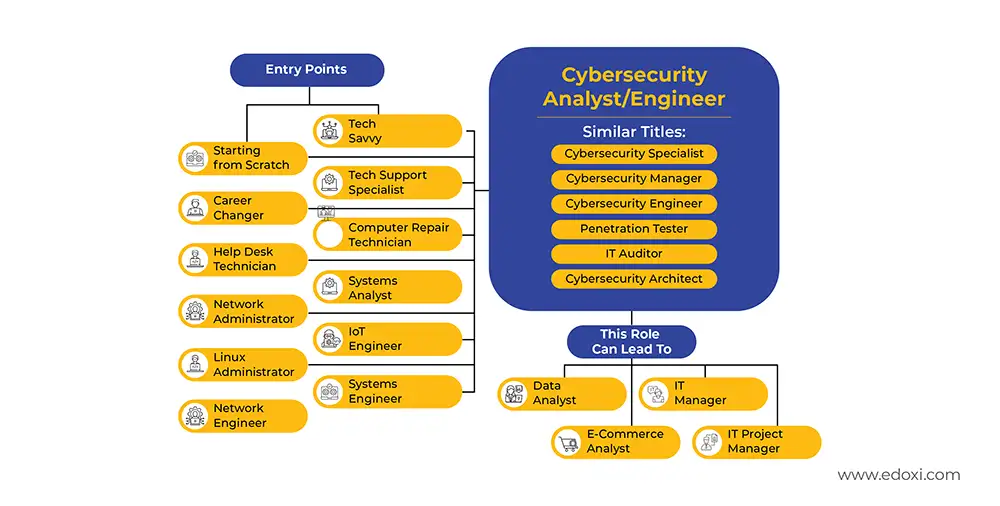
Job Roles After Completing the CompTIA CySA+ Training in Qatar

  • All Source Analyst
  • Warning Analyst
  • Cyber Defense Forensics Analyst
  • Cyber Crime Investigator
  • Systems Security Analyst
  • Cyber Defense Analyst
  • Cyber Defense Incident Responder
  • Vulnerability Assessment Analyst
  • Security Control Assessor

CompTIA CySA+ Training Options

Classroom Training

  • 40 hours of CompTIA CySA+ classroom training

  • Interactive Threat Analysis Workshops

  • Dedicated Security Tools Lab Access

  • Hands-on Vulnerability Assessment Practice

  • Collaborative Incident Response Simulations

Online Training

  • 40 hours of CompTIA CySA+ online training

  • Remote Access to Security Tools

  • Real-time Instructor Guidance

  • Flexible Schedule for Working Professionals

  • Recorded Sessions for Review

Corporate Training

  • 5-day CompTIA CySA+ corporate training

  • Customised Security Training Programs

  • Team-Based Security Simulations

  • Enterprise-Specific Case Studies

  • Training delivered at a selected hotel, client premises, or Edoxi

  • Fly-Me-a-Trainer Option

Do You Want a Customised Training for CompTIA CySA+?

Get expert assistance in getting you CompTIA CySA+ Course customised!

How to Get a CompTIA CySA+ Certification?

Here’s a four-step guide to becoming a certified CompTIA CySA+ professional.
Do You Want to be a Certified Professional in CompTIA CySA+?

Join Edoxi’s CompTIA CySA+ Course

Why Choose Edoxi for the CompTIA CySA+ Course in Qatar?

Among numerous options available in Qatar, Edoxi is one of the best choices. Here’s why Edoxi’s CompTIA CySA+ training in Qatar is the perfect fit for your needs:

CompTIA Authorised Training Partner

Our official CompTIA partnership ensures curriculum alignment with CySA+ certification requirements and access to authorised study materials.

Experienced Cybersecurity Faculty

Our instructors bring practical SOC, vulnerability management, and incident response experience directly to the classroom environment.

Purpose-Built Security Labs

Students train in specialised facilities equipped with enterprise-grade security tools that mirror professional working environments.

Flexible Learning Schedules

Multiple course timing options accommodate working professionals without compromising their current career responsibilities.

Trusted Provider of Corporate Training

We deliver customised corporate training programs to government bodies, banks, and enterprises across the Qatar, UAE, and the wider Middle East, tailored to organisational requirements.

Global Training Presence

Edoxi delivers Cybersecurity training across GCC nations, including the UAE, Saudi Arabia, Qatar, Oman, and is expanding successfully into European markets.

students-image

Edoxi is Recommended by 95% of our Students

Meet Our Mentor

Our mentors are leaders and experts in their fields. They can challenge and guide you on your road to success!

mentor-image

Maria Mehwish

Maria Mehwish is a forward-thinking and knowledgeable information security leader with a strong background in building, updating, and maintaining digital protections for various organisations. As a certified CEH, CCSP, CCT, and CISSP Trainer, Maria has a proven track record of delivering innovative and immersive coursework, enhancing learning experiences for cyber threats, ethical hacking, security policy, DevSecOps, and cloud security. With excellent verbal and written communication skills, she is also adept at troubleshooting problems and building successful solutions.

Maria is a self-motivated individual with a strong sense of personal responsibility, capable of managing projects from start to finish. Her expertise in Amazon Web Services, Java/Go/Python/C++, DevSecOps, computer security, Linux, penetration testing, and risk analysis, among others, makes her a valuable asset to any organisation. Maria, a British national, is a native English speaker and has intermediate proficiency in Urdu.

Locations Where Edoxi Offers CompTIA CySA+ course

Here is the list of other major locations where Edoxi offers CompTIA CySA+ course

FAQ

What are the prerequisites for joining the CySA+ course in Qatar?

Basic networking knowledge and fundamental IT security concepts are beneficial but not mandatory.

Is this CompTIA CySA+ certification recognised in the Qatar job market?

Yes, CompTIA CySA+ is highly valued by employers across Qatar's finance, government, and IT sectors.

What career advancement can I expect after the CompTIA CySA+ certification?

Graduates typically qualify for SOC analyst, vulnerability assessor, and cybersecurity defence analyst positions.

Does the CompTIA CySA+ course in Qatar include practical exercises?

Yes, extensive hands-on labs cover threat detection, vulnerability assessment, and incident response scenarios.

How does this CompTIA CySA+ certification compare to CEH?

CySA+ focuses on defensive security analysis while CEH emphasises offensive security and penetration testing.

 
Can corporate teams take customised CompTIA CySA+ training in Qatar?

Yes, we offer tailored programs focusing on industry-specific threats and security operations.

What tools will I learn during the CompTIA CySA+ course in Qatar?

You'll master SIEM platforms, packet analysers, vulnerability scanners, and threat intelligence tools.

How does this CompTIA CySA+ certification fit into a cybersecurity career path in Qatar?

CySA+ bridges foundational knowledge and advanced specialisations, positioning you for mid-level security roles.

What salary can I expect with a CompTIA CySA+ certification in Qatar?

Professionals in Qatar with a CompTIA CySA+ certification can earn an average annual salary of around QAR 280,000, depending on role, experience, and employer.