
Leave your message to get our quick response
edoxi automated message icon

EC-Council Ethical Hacking Essentials Course in Qatar

Cybersecurity professional performing ethical hacking on multiple computer screens displaying code in a secure office environment
Edoxi’s 15-hour EC-Council Ethical Hacking Essentials course in Qatar builds strong foundational cybersecurity and ethical hacking skills. Learn core information security, ethical hacking, vulnerability assessment, malware analysis, and attack defence through labs. Gain practical exposure to network, web, cloud, mobile, and IoT security using real-world scenarios and simulated attacks. Prepare for the EHE (112-52) exam. Enrol now to start a cybersecurity career in Qatar.
Course Duration
15 Hours
Corporate Days
3 Days
Learners Enrolled
25+
Modules
12
star-rating-icon1
star-rating-icon2
star-rating-icon3
Course Rating
4.9
star-rating-4.9
Mode of Delivery
Online
Classroom
Accredited by

What Do You Learn from Edoxi's EC-Council Ethical Hacking Essentials Training

Social Engineering and Network Attack Defence
Recognise social engineering tactics, insider threats, and identity theft techniques. Counter network-level attacks, including sniffing, DoS, and session hijacking.
Vulnerability Assessment
Learn systematic vulnerability identification techniques and security weakness prioritisation. Understand password cracking methods and implement strong authentication controls.
Information Security Foundations
Explore key information security challenges, laws, and compliance standards. Understand global regulations shaping cybersecurity practices.
Ethical Hacking Methodology and Malware Analysis
Learn ethical hacking fundamentals, including the cyber kill chain and attack phases. Identify malware types and implement effective countermeasures.
Web, Mobile, and Wireless Security
Protect against web application threats, SQL injection, and server attacks. Secure mobile platforms and wireless networks through encryption and threat detection.
Cloud, IoT, and Penetration Testing Essentials
Implement security for emerging cloud and IoT environments. Apply penetration testing methodologies to strengthen organisational security posture.

About Our EC-Council Ethical Hacking Essentials Course in Qatar 

Edoxi’s EC-Council Ethical Hacking Essentials (EHE) course in Qatar is for beginners seeking to enter the cybersecurity field. ​The EC-Council Ethical Hacking Essentials training provides hands-on experience through lab exercises covering vulnerability assessment, password cracking, and attack mitigation techniques. You’ll engage with simulated security scenarios that develop practical skills in identifying and responding to common cybersecurity threats. ​The EC-Council Ethical Hacking Essentials course caters to both individuals pursuing career development and organisations aiming to establish foundational security awareness among their IT staff.

Our EC-Council Ethical Hacking Essentials course offers a strong foundation in ethical hacking and information security. It covers core concepts such as cyber threats, system vulnerabilities, password cracking, and penetration testing methodologies. The program explores attack techniques across networks, web applications, wireless systems, mobile platforms, IoT, OT, and cloud environments, supported by 29 hands-on labs for practical learning. This introductory EC-Council Ethical Hacking Essentials training equips learners with essential cybersecurity skills and prepares learners to start a career in the cybersecurity domain.​

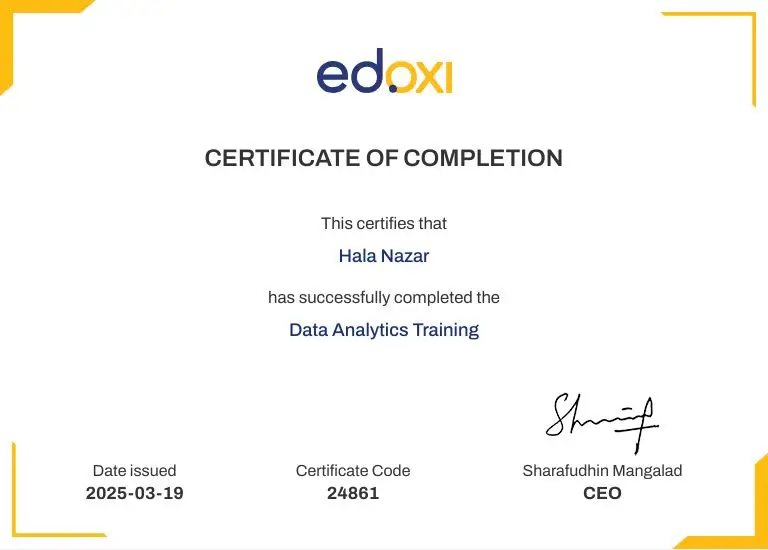
Upon successful completion, learners can gain Edoxi’s EC-Council Ethical Hacking Essentials course completion certificate. This credential validates your confidence and the ability necessary to pass the EC-Council EHE exam. ​

For more details on the EC-Council Ethical Hacking Essentials course fees (based on learning format), syllabus, and customised corporate, online, or classroom training schedules, contact our Edoxi team.

​Enrol now to gain the foundational knowledge and practical skills necessary for a career in the high-demand cybersecurity sectors in Qatar. 

EC-Council Ethical Hacking Essentials (EHE) Exam Details

​​The EC-Council Ethical Hacking Essentials (EHE) exam validates your foundational knowledge and proven skills in ethical hacking and information security​. Below is a breakdown of the key exam details:

Exam Criteria Details
Exam Code 112-52
Exam Name
EC-Council Ethical Hacking Essentials (E|HE)
Duration 2 hours
Number of Questions 75, Multiple Choice
Passing Score Approximately 70%
Fees Included in the course fee
Certification Validity 3 Years
Recertification Required every 3 years via exam retake
Exam Administration Authority EC-Council
 

Key Features of Our EC-Council Ethical Hacking Essentials Training

EC-Council Authorised Lab Environment

Access industry-standard simulation labs for hands-on practice with ethical hacking tools and techniques.

Comprehensive E-Courseware

Study from 750+ pages of official EC-Council learning materials covering all essential cybersecurity concepts.

Practical Lab Exercises

Apply theoretical knowledge through hands-on activities in password cracking, vulnerability assessment, and attack mitigation.

Exam-Focused Preparation

Benefit from thorough training specifically aligned with EC-Council certification exam, Ethical Hacking Essentials (EHE) 112-52, objectives.

Cyber Kill Chain Methodology Training

Learn to analyse and counter cyber attacks by understanding each phase of the modern cyber kill chain framework.

Capstone Projects with Real-World CTF Challenges

​The curriculum includes Capture The Flag (CTF) capstone projects, enabling learners to apply skills to real-world challenges on authentic target systems.

Who Can Join Edoxi’s EC-Council Ethical Hacking Essentials Course in Qatar?

IT Beginners and Career Changers

No prior cybersecurity experience required for entry-level career transition.

College Students and Recent Graduates

Ideal supplement to academic education for practical security skills.

IT Professionals Exploring Security

Perfect for IT staff expanding expertise into essential cybersecurity domains.

Security Enthusiasts

For technology enthusiasts interested in ethical hacking fundamentals.

Corporate Teams

Establishes baseline security awareness across organisational IT departments.

Aspiring Entry-Level Security Professionals

Preparation for junior security analyst and cybersecurity specialist roles.

EC-Council Ethical Hacking Essentials Course Modules

Module 1: Information Security Fundamentals
  • Chapter 1.1: Information Security Basics

    • Lesson 1.1.1: Information Security Fundamentals
    • Lesson 1.1.2: Information Security Laws and Regulations
Module 2: Ethical Hacking Fundamentals
  • Chapter 2.1: Ethical Hacking Concepts

    • Lesson 2.1.1: Cyber Kill Chain Methodology
    • Lesson 2.1.2: Hacking Concepts and Hacker Classes
    • Lesson 2.1.3: Different Phases of the Hacking Cycle
    • Lesson 2.1.4: Ethical Hacking Concepts, Scope, and Limitations
    • Lesson 2.1.5: Ethical Hacking Tools
  • Chapter 2.2: Lab Exercises

    • Lesson 2.2.1: Passive Footprinting to Gather Information About a Target
    • Lesson 2.2.2: Network Scanning to Identify Live Hosts, Open Ports and Services, and Target OS
    • Lesson 2.2.3: Enumeration on a System or Network to Extract Usernames, Machine Names, Network Resources, Shares
Module 3: Information Security Threats and Vulnerability Assessment
  • Chapter 3.1: Threats and Vulnerabilities

    • Lesson 3.1.1: Threat and Threat Sources
    • Lesson 3.1.2: Malware and Its Types
    • Lesson 3.1.3: Malware Countermeasures
    • Lesson 3.1.4: Vulnerabilities
    • Lesson 3.1.5: Vulnerability Assessment
  • Chapter 3.2: Lab Exercises

    • Lesson 3.2.1: Vulnerability Assessment to Identify Security Vulnerabilities in the Target System or Network
Module 4: Password Cracking Techniques and Countermeasures
  • Chapter 4.1: Password Attacks

    • Lesson 4.1.1: Password Cracking Techniques
    • Lesson 4.1.2: Password Cracking Tools
    • Lesson 4.1.3: Password Cracking Countermeasures
  • Chapter 4.2: Lab Exercises

    • Lesson 4.2.1: Perform an Active Online Attack to Crack System Passwords
    • Lesson 4.2.2: Audit System Passwords
Module 5: Social Engineering Techniques and Countermeasures
  • Chapter 5.1: Social Engineering Attacks

    • Lesson 5.1.1: Social Engineering Concepts and its Phases
    • Lesson 5.1.2: Social Engineering Techniques
    • Lesson 5.1.3: Insider Threats and Identity Theft
    • Lesson 5.1.4: Social Engineering Countermeasures
  • Chapter 5.2: Lab Exercises

    • Lesson 5.2.1: Social Engineering using Various Techniques to Sniff Users’ Credentials
    • Lesson 5.2.2: Detect a Phishing Attack
Module 6: Network Level Attacks and Countermeasures
  • Chapter 6.1: Network Threats and Defences

    • Lesson 6.1.1: Packet Sniffing Concepts
    • Lesson 6.1.2: Sniffing Techniques
    • Lesson 6.1.3: Sniffing Countermeasures
    • Lesson 6.1.4: DoS and DDoS Attacks
    • Lesson 6.1.5: DoS and DDoS Attack Countermeasures
    • Lesson 6.1.6: Session Hijacking Attacks
    • Lesson 6.1.7: Session Hijacking Attack Countermeasures
  • Chapter 6.2: Lab Exercises

    • Lesson 6.2.1: Perform MAC Flooding to Compromise Network Switch Security
    • Lesson 6.2.2: Perform ARP Poisoning to Divert Communication Between Two Machines
    • Lesson 6.2.3: Detect ARP Attacks Using ARP Spoofing Detection Tools
    • Lesson 6.2.4: Perform DoS and DDoS Attacks on a Target Host
    • Lesson 6.2.5: Detect and Protect Against DDoS Attack
    • Lesson 6.2.6: Perform Session Hijacking to Seize Control of a TCP Session
    • Lesson 6.2.7: Detect Session Hijacking Attempts Manually
Module 7: Web Application Attacks and Countermeasures
  • Chapter 7.1: Web Threat Landscape

    • Lesson 7.1.1: Web Server Attacks
    • Lesson 7.1.2: Web Server Attack Countermeasures
    • Lesson 7.1.3: Web Application Architecture and Vulnerability Stack
    • Lesson 7.1.4: Web Application Threats and Attacks
    • Lesson 7.1.5: Web Application Attack Countermeasures
    • Lesson 7.1.6: SQL Injection Attacks
    • Lesson 7.1.7: SQL Injection Attack Countermeasures
  • Chapter 7.2: Lab Exercises

    • Lesson 7.2.1: Perform a Web Server Attack to Crack FTP Credentials
    • Lesson 7.2.2: Perform a Web Application Attack to Steal Sensitive Information
    • Lesson 7.2.3: Perform SQL Injection Attacks on a Target Web Application
    • Lesson 7.2.4: Detect SQL Injection Vulnerabilities Using Detection Tools
Module 8: Wireless Attacks and Countermeasures
  • Chapter 8.1: Wireless Threats

    • Lesson 8.1.1: Wireless Terminology
    • Lesson 8.1.2: Wireless Encryption
    • Lesson 8.1.3: Wireless Network-Specific Attack Techniques
    • Lesson 8.1.4: Bluetooth Attacks
    • Lesson 8.1.5: Wireless Attack Countermeasures
  • Chapter 8.2: Lab Exercises

    • Lesson 8.2.1: Perform Wi-Fi Packet Analysis
    • Lesson 8.2.2: Perform Wireless Attacks to Crack Wireless Encryption
Module 9: Mobile Attacks and Countermeasures
  • Chapter 9.1: Mobile Device Threats

    • Lesson 9.1.1: Mobile Attack Anatomy
    • Lesson 9.1.2: Mobile Platform Attack Vectors and Vulnerabilities
    • Lesson 9.1.3: Mobile Device Management (MDM) Concept
    • Lesson 9.1.4: Mobile Attack Countermeasures
  • Chapter 9.2: Lab Exercises

    • Lesson 9.2.1: Hack an Android Device by Creating Binary Payloads
    • Lesson 9.2.2: Secure Android Devices Using Various Android Security Tools
Module 10: IoT and OT Attacks and Countermeasures
  • Chapter 10.1: Emerging Technologies and Risks

    • Lesson 10.1.1: IoT Concepts
    • Lesson 10.1.2: IoT Threats and Attacks
    • Lesson 10.1.3: IoT Attack Countermeasures
    • Lesson 10.1.4: OT Concepts
    • Lesson 10.1.5: OT Threats and Attacks
    • Lesson 10.1.6: OT Attack Countermeasures
  • Chapter 10.2: Lab Exercises

    • Lesson 10.2.1: Perform Footprinting Using Various Techniques
    • Lesson 10.2.2: Capture and Analyse IoT Device Traffic
Module 11: Cloud Computing Threats and Countermeasures
  • Chapter 11.1: Cloud Security

    • Lesson 11.1.1: Cloud Computing Concepts
    • Lesson 11.1.2: Container Technology
    • Lesson 11.1.3: Cloud Computing Threats
    • Lesson 11.1.4: Cloud Attack Countermeasures
  • Chapter 11.2: Lab Exercises

    • Lesson 11.2.1: Perform S3 Bucket Enumeration Using Various Tools
    • Lesson 11.2.2: Exploit S3 Buckets
Module 12: Penetration Testing Fundamentals
  • Chapter 12.1: Penetration Testing Basics

    • Lesson 12.1.1: Fundamentals of Penetration Testing and its Benefits
    • Lesson 12.1.2: Strategies and Phases of Penetration Testing
    • Lesson 12.1.3: Guidelines and Recommendations for Penetration Testing

Download Ethical Hacking Essentials Course Brochure

Lab Activities in Our EC-Council Ethical Hacking Essentials Course in Qatar

​​Our EC-Council Ethical Hacking Essentials course blends expert-led sessions with hands-on activities based on real-world cybersecurity scenarios. The lab activities include:​

Passive Footprinting

Students conduct reconnaissance to gather critical target information without alerting the target organisation.

Network Scanning and Enumeration

Participants identify live hosts, open ports, and extract valuable system information using industry-standard tools.

Vulnerability Assessment

Learn to systematically identify, classify, and prioritise security vulnerabilities across network infrastructure and applications.

Password Cracking and System Auditing

Perform active online attacks to compromise system passwords and implement auditing techniques for password security.

Social Engineering Defence

Simulate phishing campaigns and develop detection methods to counter credential harvesting and social manipulation attacks.

Network Attack Simulation

Execute ARP poisoning and session hijacking attacks to understand communication interception and connection takeover techniques.

Web Application Security Testing

Conduct SQL injection attacks and implement detection tools to protect database integrity in web applications.

Cloud Security Assessment

Perform S3 bucket enumeration and exploitation to identify insecure cloud storage configurations and implement remediation.

EC-Council Ethical Hacking Essentials Course Outcome and Career Opportunities in Qatar

The EC-Council Ethical Hacking Essentials course builds a solid foundation for cybersecurity careers. Graduates learn to protect organisational assets and address real-world security challenges in today’s digital environment. Upon completion, participants will be able to:

Course Outcome Image
Understand core information security concepts, global laws, compliance standards, and key cybersecurity challenges.
Apply security measures for cloud and IoT environments and use penetration testing techniques to strengthen organisational security.
Identify, assess, and prioritise security weaknesses, including password attacks and authentication controls.
Detect social engineering tactics, insider threats, and defend against sniffing, DoS, and session hijacking attacks.
Secure web applications, databases, mobile platforms, and wireless networks against common threats.
Learn ethical hacking methodologies, cyber kill chain phases, malware types, and effective countermeasures.

Job Roles After Completing the EC-Council Ethical Hacking Essentials Course in Qatar

  • Cybersecurity Analyst
  • IT Security Coordinator
  • Information Security Analyst
  • Penetration Tester
  • Ethical Hacker

Companies Hiring EC-Council Ethical Hacking Essentials Professionals in Qatar

  • QatarEnergy
  • Qatar National Bank (QNB)
  • Traffic Tech Group
  • EY
  • Qatar Airways
  • Tech Mahindra
  • OISSG Consultancy
  • People Dynamics
  • Codvo.ai
  • QATAR TEC W.L.L.

EC-Council Ethical Hacking Essentials Training Options

Classroom Training

  • 15-hour EC-Council Ethical Hacking Essentials Training in Qatar

  • Hands-on Lab Environment Access

  • Direct Instructor Interaction

  • Peer Learning Opportunities

  • Small Group Learning Environment

Online Training

  • 15-hour Online EC-Council Ethical Hacking Essentials Training

  • Real-time Virtual Lab Sessions

  • Interactive Remote Learning Platform

  • Flexible Scheduling Options

Corporate Training

  • 3 days Customised Corporate EC-Council Ethical Hacking Essentials Training

  • Customised Content for Business Needs

  • Training delivered at a selected hotel, client premises, or Edoxi

  • Fly-Me-a-Trainer Option

  • Team-Based Security Challenges

Do You Want a Customised Training for Ethical Hacking Essentials?

Get expert assistance in getting you Ethical Hacking Essentials Course customised!

How to Get an EC-Council Ethical Hacking Essentials Certification in Qatar?

Here’s a four-step guide to becoming a certified Ethical Hacking Essentials (EHE) professional.
Do You Want to be a Certified Professional in Ethical Hacking Essentials?

Join Edoxi’s Ethical Hacking Essentials Course

Why Choose Edoxi for an EC-Council Ethical Hacking Essentials Course in Qatar?

Among many options available in Qatar, Edoxi is one of the best EC-Council Ethical Hacking Essentials institutes in Qatar. Here’s why Edoxi’s EC-Council Ethical Hacking Essentials training is the perfect fit for your needs:

EC-Council Authorised Training Centre

Official partnership ensures the syllabus aligns with the EHE (112-52) exam objectives and global EC-Council standards.

Specialist Ethical Hacking Instructors

EC-Council-certified trainers with real consulting experience bring practical, industry-relevant insights to every session.

Exam-Aligned Preparation for EHE

Structured teaching, official e-courseware, and targeted practice map directly to the EHE knowledge areas to help you pass with confidence.

Flexible Delivery for Professionals

Classroom or live online options, weekday or weekend schedules, both with full lab access and instructor support.

Corporate Training Capability

Edoxi delivers Customisable team programmes on team security challenges to major private organisations and government entities across the Middle East.

Structured Cybersecurity Career Pathway

We offer a clear progression from foundational security courses to advanced EC-Council certifications, helping you build a comprehensive cybersecurity career.

students-image

Edoxi is Recommended by 95% of our Students

Meet Our Mentor

Our mentors are leaders and experts in their fields. They can challenge and guide you on your road to success!

mentor-image

Satendra K

Satendra Singh Khari is a renowned cybersecurity expert and the Chief Technology Officer at Edoxi, where he leads the CEH v13 AI program. With over 12 years of experience, he has trained more than 10,000 professionals and earned recognition in the Circle of Excellence for 2023 and 2024. Mr. Khari holds multiple industry certifications, including CISSP, CISM, CEH, CPENT, and CREST, which showcase his expertise in vulnerability assessment, penetration testing, and incident handling.

His practical insights, gained during his tenure as Head of Information Security in Malaysia, enhance the learning experience by providing students with essential technical skills and a clear path to career advancement. Recognized as a leader in his field, he has received the Internet 2.0 Outstanding Leadership Award for three consecutive years (2022-2024), reflecting his dedication to empowering the next generation of cybersecurity professionals.

Locations Where Edoxi Offers Ethical Hacking Essentials Course

Here is the list of other major locations where Edoxi offers Ethical Hacking Essentials Course

FAQ

Do I need prior IT experience to join the EC-Council Ethical Hacking Essentials course in Qatar?

No prior IT or cybersecurity experience is required. The course is designed as an introductory program that builds foundational knowledge from the ground up, making it accessible for beginners.

What is the difference between EHE and CEH certification?

The E|HE (Ethical Hacking Essentials) is an entry-level certification for beginners, while CEH (Certified Ethical Hacker) is a more advanced professional certification requiring experience. E|HE serves as an excellent stepping stone toward CEH.

Will I get hands-on experience during the EC-Council Ethical Hacking Essentials training in Qatar?

Yes, the course includes 11 practical lab activities in a simulated environment where you'll practice ethical hacking techniques, vulnerability assessment, and implement security countermeasures.

How long is the EC-Council EHE certification valid?

The certification is valid for 3 years, after which recertification is required by retaking the exam to ensure your knowledge remains current with evolving cybersecurity practices.

What job roles can I apply for after completing this EC-Council Ethical Hacking Essentials certification?

Graduates can pursue entry-level positions such as Junior Security Analyst, IT Security Coordinator, Cybersecurity Specialist, and similar roles that require fundamental cybersecurity knowledge.

Does this EC-Council Ethical Hacking Essentials course cover penetration testing?

Yes, the course includes fundamentals of penetration testing, covering methodologies, strategies, phases, and best practices, providing a solid foundation for further specialisation.

Can we arrange customised EC-Council Ethical Hacking Essentials corporate training for our security team?

Absolutely! We offer tailored corporate training programs that can be customised to address your organisation's specific security challenges, with flexible scheduling and delivery options.

How is the EC-Council lab environment accessed during EC-Council Ethical Hacking Essentials training in Qatar?

Students access the EC-Council authorised lab environment through secure credentials provided during the course. The labs can be accessed during class sessions and for additional practice during specified hours.

What are the next certification steps after completing the EC-Council Ethical Hacking Essentials course?

After E|HE, logical next steps include EC-Council's more advanced certifications, such as Certified Ethical Hacker (CEH), EC-Council Certified Security Analyst (ECSA), or specialised certifications like the EC-Council Network Defender (CND).

What salary can professionals with EC-Council Ethical Hacking skills expect in Qatar?

Professionals with EC-Council ethical hacking skills in Qatar typically earn QAR 11,000–13,000 per month. Salaries increase with experience, senior or penetration testing roles, and advanced certifications such as CPENT.

Why is learning EC-Council Ethical Hacking Essentials in Qatar important?

Learning EC-Council Ethical Hacking Essentials in Qatar supports the National Cyber Security Strategy by developing skilled professionals capable of safeguarding the country’s critical digital infrastructure.

What is the EC-Council Ethical Hacking Essentials course fee in Qatar?

The EC-Council Ethical Hacking Essentials course fee in Qatar varies based on the learning format you choose (classroom, online, or corporate training). Contact the Edoxi team directly for the most up‑to‑date fee structure and payment plans.

Do I need prior IT or cybersecurity experience to join this EC-Council Ethical Hacking Essentials course in Qatar?

No prior experience is required. The EC-Council Ethical Hacking Essentials course is an introductory program that builds cybersecurity knowledge from the ground up.

Will I get hands-on practice during the EC-Council Ethical Hacking Essentials training?
Yes. The course includes 29 lab exercises covering vulnerability assessment, password cracking, malware analysis, social engineering, network attacks, web and mobile security, cloud, and IoT security to ensure practical, real-world experience.
What career opportunities are available after completing this EC-Council Ethical Hacking Essentials course?

Graduates can pursue entry-level roles such as Cybersecurity Analyst, IT Security Coordinator, Information Security Analyst, Penetration Tester, or Ethical Hacker in Qatar’s growing cybersecurity market.