
Leave your message to get our quick response
edoxi automated message icon

Certified Professional Medical Auditor (CPMA) Course in Qatar

Medical auditor reviewing healthcare documents with digital technology in the background.
Edoxi’s Certified Professional Medical Auditor (CPMA) Course in Qatar is a 20-hour program designed to train professionals in healthcare regulations, clinical documentation integrity, and standardised medical auditing methodologies. Available in classroom and online learning formats at our MOEHE-Licensed Training Center in Doha. Enrol now to build essential skills required for roles in healthcare compliance, clinical auditing, and medical risk management across Qatar!
Course Duration
20 Hours
Corporate Days
4 Days
Learners Enrolled
500+
Modules
6
star-rating-icon1
star-rating-icon2
Course Rating
5
star-rating-5
Mode of Delivery
Online
Classroom
Certification by
edoxi-accreditation-logo

What Do You Learn from Edoxi's Certified Professional Medical Auditor (CPMA) Training

Healthcare Compliance
Understand healthcare regulations, CMS guidelines, and payer compliance requirements.
Documentation & Coding
Identify documentation gaps and ensure accurate coding and billing.
Audit Methodologies
Learn prospective, retrospective, and random audit techniques.
Fraud & Billing Errors
Detect upcoding, downcoding, improper billing, and compliance risks.
Risk Management
Assess audit findings and implement effective corrective actions.
Revenue Cycle Optimisation
Improve claims accuracy, denial management, and reimbursement outcomes.

About Our Certified Professional Medical Auditor (CPMA) Course in Qatar

Edoxi Training Center’s 20-hour CPMA course in Dubai is tailored for healthcare professionals pursuing expertise in clinical auditing, regulatory compliance, and documentation validation. The curriculum covers healthcare regulatory standards, coding compliance audits, and audit readiness strategies essential for today’s evolving healthcare reimbursement environment. 

Our CPMA course includes practical training using ICD-10-CM, CPT, and HCPCS to conduct code validation, identify discrepancies, and support accurate claims processing. Participants gain hands-on experience through case-based simulations and audit exercises that reflect real-world compliance challenges and payer requirements.


The training will be led by Shivani Khasnis, who has over 15 years of industry experience spanning Pharmacovigilance, Clinical Research, and Medical Coding. The program prepares learners for advanced roles in audit compliance, healthcare fraud detection, and risk assessment across hospitals, insurers, and regulatory institutions.


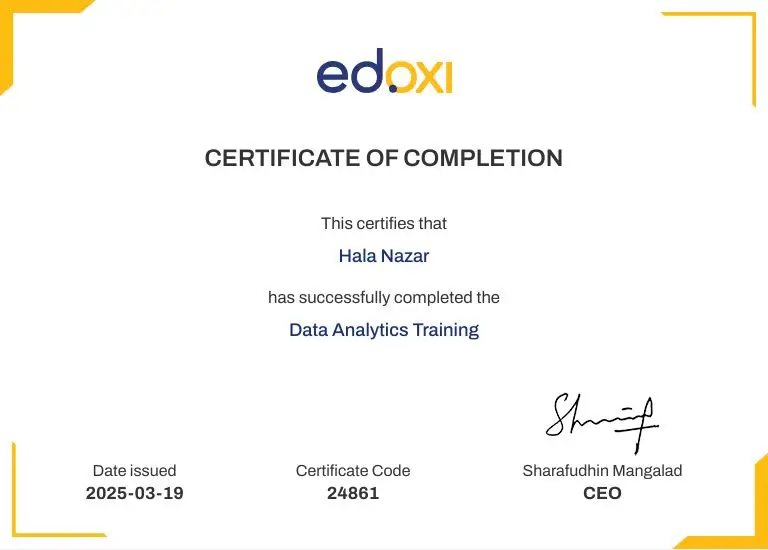
Participants develop key competencies in coding audit execution, clinical documentation integrity, and fraud risk mitigation. Upon completion receive a course completion certificate, proving their professional credibility in the healthcare compliance field.

What is a Certified Professional Medical Auditor (CPMA)?

A Certified Professional Medical Auditor (CPMA) is a credentialed healthcare specialist certified by the AAPC to evaluate medical records, clinical documentation, and billing practices for accuracy and legal compliance. CPMAs help healthcare providers prevent financial loss, maintain regulatory compliance, avoid billing fraud, and improve physician documentation practices by conducting systematic chart audits.

CPMA Exam Details

Edoxi’s CPMA Course prepares candidates for the CPMA certification exam, governed by the American Academy of Professional Coders (AAPC).  Earning this credential elevates your professional credibility and qualifies you for advanced roles in audit compliance, revenue integrity, and regulatory oversight across healthcare systems and payer networks.

Exam Criteria Details
Exam Code CPMA
Exam Name Certified Professional Medical Auditor (CPMA) Exam
Duration 4 Hours
Number of Questions 100, Multiple Choice
Passing Score 70%
Fees $530 for 2 attempts
Certification Validity 3 Years
Membership Renewal Renewal required every 3 years through continuing education credit (CEUs) points.
Exam Administration Authority AAPC (American Academy of Professional Coders)


Key Features of Edoxi's Certified Professional Medical Auditor (CPMA) Training

Practical Medical Audit Training

Apply CPMA concepts through practical exercises covering documentation, coding, billing, and compliance audits.

Medical Coding & Documentation Review

Strengthen your ability to identify coding errors, documentation gaps, and billing discrepancies.

Fraud & Abuse Detection

Learn to recognise upcoding, downcoding, improper billing, and other potential compliance issues.

Multi-Specialty Audit Practice

Gain hands-on experience reviewing medical records across different healthcare specialities.

Risk Assessment Techniques

Learn to identify compliance risks and develop effective corrective and preventive measures.

CPMA Exam Preparation

Prepare for the AAPC CPMA certification exam with focused study material

Who Can Join the Certified Professional Medical Auditor in Qatar

Medical Coders & Billing Specialists

Ideal for professionals looking to advance into medical auditing and improve coding accuracy.

Healthcare Compliance Professionals

Suitable for compliance and audit officers involved in regulatory standards and internal audits.

Healthcare Administrators

Designed for hospital and clinic administrators seeking stronger skills in documentation and compliance.

Risk & Quality Management Professionals

Helps professionals identify compliance risks and improve healthcare quality and audit processes.

Insurance & Claims Professionals

Suitable for claims and reimbursement specialists focused on billing accuracy and claim integrity.

Clinicians & Healthcare Managers

A valuable option for nurses, practice managers, and healthcare leaders looking to move into medical auditing roles.

CPMA Course Modules

Module 1: Compliance and Regulatory Guidelines
  • Chapter 1.1: Federal Regulations

    • Lesson 1.1.1: Overview of Key Federal Regulations in Healthcare
  • Chapter 1.2: Office of Inspector General (OIG)

    • Lesson 1.2.1: Role and Responsibilities of the OIG
  • Chapter 1.3: Centers for Medicare & Medicaid Services (CMS)

    • Lesson 1.3.1: CMS Guidelines and Compliance Standards
Module 2: Medical Record Standards and Documentation Guidelines
  • Chapter 2.1: Introduction to Medical Records

    • Lesson 2.1.1: Purpose and Importance of Medical Documentation
  • Chapter 2.2: HIPAA Regulations

    • Lesson 2.2.1: Health Insurance Portability and Accountability Act (HIPAA) Overview
  • Chapter 2.3: Structure of Medical Records

    • Lesson 2.3.1: Understanding the Medical Record
    • Lesson 2.3.2: Medical Record Components
Module 3: Coding and Reimbursement
  • Chapter 3.1: Introduction to Coding

    • Lesson 3.1.1: Basics of Medical Coding and Reimbursement
  • Chapter 3.2: CPT Coding Concepts

    • Lesson 3.2.1: Overview of Current Procedural Terminology (CPT)
  • Chapter 3.3: Audit Tips

    • Lesson 3.1.1: Audit Tips for Specific Services
  • Chapter 3.4: Service Categories

    • Lesson 3.4.1: Categories and Subcategories of Service
  • Chapter 3.5: E/M Services

    • Lesson 3.5.1: Evaluation and Management (E/M) Services Guidelines
  • Chapter 3.6: Use of Modifiers

    • Lesson 3.6.1: Understanding Coding Modifiers
  • Chapter 3.7: Medical Necessity

    • Lesson 3.7.1: Defining and Documenting Medical Necessity
  • Chapter 3.8: Teaching Physician Guidelines

    • Lesson 3.8.1: Rules for Teaching Physician Involvement
  • Chapter 3.9: Shared/Split Services

    • Lesson 3.9.1: Guidelines for Shared and Split Services
Module 4: Medical Auditing
  • Chapter 4.1: The Audit Process

    • Lesson 4.1.1: Steps in the Medical Audit Process
Module 4.5: Risk Analysis and Communication
  • Chapter 4.1: Introduction to Risk Analysis

    • Lesson 4.1.1: Purpose and Importance of Risk Analysis in Auditing
  • Chapter 4.2: Validation and Analysis

    • Lesson 4.2.1: Validation of Audit Results
    • Lesson 4.2.2: Analysis and Reporting of Audit Findings
  • Chapter 4.3: Communication and Reporting

    • Lesson 4.3.1: Communicating Audit Results Effectively
  • Chapter 4.4: Special Audit Types

    • Lesson 4.4.1: Voluntary Re-Payment Audits
    • Lesson 4.4.2: Self-Disclosure Audits
  • Chapter 4.5: Action Planning

    • Lesson 4.5.1: Developing Corrective Action Plans
Module 6: Exercises & Assessment
  • Chapter 6.1: Case Studies and Practical Application

    • Lesson 6.1.1: Application of Audit Skills through Case Studies
  • Chapter 6.2: Practice Exams

    • Lesson 6.2.1: Practice Questions and Mock Exams for Readiness

Download CPMA Course Brochure

Real-World Projects and Case Studies in the CPMA Course

The CPMA course provides practical, hands-on training in medical auditing, documentation review, coding validation, billing accuracy, and healthcare compliance. Participants work through realistic audit scenarios and medical records to develop the skills needed to identify errors, assess compliance risks, and prepare accurate audit findings.

Projects

  • Medical Documentation & Coding Audit

    Review patient records to identify documentation gaps, coding errors, and medical necessity issues.

  • Healthcare Compliance Risk Assessment

    Identify compliance gaps within a healthcare organisation and recommend appropriate corrective actions.

  • Billing & Fraud Detection Analysis

    Analyse sample claims to identify upcoding, unbundling, duplicate billing, and other billing irregularities.

Case Studies

  • E/M Coding Validation

    Evaluate patient encounters to verify E/M levels, documentation, and CPT code accuracy.

  • Multi-Department Compliance Audit

    Conduct a simulated audit across healthcare departments and prepare findings based on identified compliance issues.

CPMA Course Outcomes and Career Opportunities in Qatar

The CPMA course equips participants with practical skills in medical auditing, coding validation, documentation review, compliance, and reimbursement accuracy, preparing them to conduct effective healthcare audits. Key outcomes include

Course Outcome Image
Conduct structured medical audits across clinical and administrative healthcare settings.
Review clinical documentation and validate coding accuracy against medical records.
Identify coding errors, billing discrepancies, and potential compliance risks.
Assess medical necessity, claims accuracy, and reimbursement-related issues.
Prepare clear audit findings and recommend appropriate corrective actions.
Develop the knowledge and practical skills required for CPMA certification and career advancement.

Job Roles To Pursue After Completing the CPMA Course in Qatar

  • Medical Audit Assistant
  • Junior Medical Coder
  • Certified Medical Auditor
  • Compliance Analyst
  • Healthcare Compliance Officer
  • Risk Management Director

Companies Hiring CPMA Professionals in Qatar

  • McDermott Middle East
  • Medgulf Construction Company WLL
  • Gulf Contracting Co. W.L.L.
  • Al Huda Engineering Works
  • Al Madar Holding W.L.L.
  • Parsons
  • WSP in the Middle East
  • Saipem
  • Siemens Energy
  • QatarEnergy

Certified Professional Medical Auditor Training Options

Classroom Training

  • 20-hour CPMA Course in Qatar

  • Collaborative Learning Environment

  • Direct Instructor Feedback

  • Hands-On Compliance Workshops

  • Real-Time Case Study Analysis

Live Online Training

  • 20-hour Online CPMA Course

  • Flexible Scheduling Options

  • Interactive Virtual Classrooms

  • Digital Reference Materials

  • Recorded Sessions for Review

Corporate Training

  • Customized Training Modules

  • Organization-Specific Case Studies

  • Group Learning Discounts

  • Post-Training Support System

Do You Want a Customised Training for CPMA?

Get expert assistance in getting your CPMA Course Customised!

How to get CPMA Certification?

Here’s a four-step guide to becoming a certified CPMA Professional.
Do You Want to be a Certified Professional in CPMA?

Join Edoxi’s CPMA Course

Why Choose Edoxi Training Center for CPMA Training in Qatar?

Edoxi is a top training institute in Qatar offering CPMA training with expert guidance, flexible learning options, and comprehensive support. Here are some reasons why you should choose us for your training needs

MOEHE- Licensed Training Centre

Learn with a professionally licensed training institute offering structured, industry-focused healthcare certification programs in Qatar.

Experienced & Qualified Trainers

Benefit from instructors with relevant healthcare, medical coding, auditing, and compliance expertise.

Career-Focused Learning

Develop practical skills that can be applied in hospitals, clinics, insurance companies, healthcare organisations, and auditing roles.

Flexible Training Options

Choose convenient learning formats designed to accommodate working professionals and healthcare practitioners.

Comprehensive Learning Support

Receive access to relevant study resources, practice materials, instructor guidance, and exam preparation support.

Professional Certification Pathway

Build your knowledge and confidence to pursue the CPMA credential and advance your career in medical auditing and healthcare compliance.

students-image

Edoxi is Recommended by 95% of our Students

Meet Our Mentor

Our mentors are leaders and experts in their fields. They can challenge and guide you on your road to success!

mentor-image

Dr. Shivani Khasnis

Dr. Shivani Khasnis is an accomplished CPMA, CPC, and DRG trainer at Edoxi Training Institute, with over 15 years of industry experience spanning Pharmacovigilance, Clinical Research, and Medical Coding. Her expertise lies in ICD-10-CM, CPT, and HCPCS coding systems, alongside a strong command of HIPAA and regulatory guidelines. She possesses a postgraduate diploma in Clinical Research from the UK and certifications including CPMA (AAPC, USA) and CPC (Skyline Training Institute, Dubai).

Dr. Shivani is known for her clarity in instruction, up-to-date domain knowledge, and ability to train medical professionals in both technical and regulatory aspects of coding. She has delivered specialised training for major healthcare and insurance organisations such as Cleveland Clinic Abu Dhabi and Abu Dhabi National Insurance Company (ADNIC), covering DRG coding, inpatient prospective payment systems (IPPS), and exam-focused medical coding programs. Her professional journey also includes key roles at Tata Consultancy Services and Crest Pre-media Solutions, further strengthening her industry knowledge.

Locations Where Edoxi Offers CPMA Course

Here are the major international locations where Edoxi offers CPMA Courses

FAQ

What is the CPMA course, and who awards the credential?
The Certified Professional Medical Auditor (CPMA) credential is awarded globally by the AAPC (American Academy of Professional Coders). It trains professionals to audit medical records, evaluate clinical documentation, and ensure healthcare compliance.
Is CPMA recognized and valued in Qatar?
Yes. Major healthcare providers in Qatar (such as Hamad Medical Corporation, Sidra Medicine, and private hospitals/insurance companies) value CPMA for roles in revenue cycle management, compliance, and internal auditing.
What are the prerequisites for enrolling?
There are no strict formal requirements to take the course, but AAPC strongly recommends at least 2 years of medical coding experience along with a baseline knowledge of medical terminology, anatomy, and coding systems (CPT, ICD-10-CM, HCPCS).
How is the CPMA course delivered in Qatar?
Edoxi Training center in Qatar offer both online and classroom-based instructor-led programs. We also offer training programs on weekends or evenings for working professionals. 
How much does the CPMA course and exam cost in Qatar?
  • CPMA Training Course: Typically range between QAR 2,500 and QAR 4,500, depending on the batch type and materials included.
  • AAPC Exam Fee: Approximately 400–530 USD (around QAR 1,450 to QAR 1,930), depending on your AAPC membership status.
What job opportunities does it open in Qatar?

CPMA holders usually work as Medical Auditors, Compliance Officers, Billing/Coding Supervisors, or Revenue Cycle Managers in hospitals, private clinics, and health insurance firms.

How do I maintain the CPMA credential?

You must maintain an active AAPC membership and complete 36 Continuing Education Units (CEUs) every 2 years.

Can I pass the CPMA exam without medical coding experience?

While theoretically possible, it is very difficult. AAPC strongly recommends at least 2 years of active medical coding experience before attempting the exam. The test heavily audits complex medical charts and requires advanced, real-world knowledge of CPT, ICD-10, and compliance laws, not just basic theory.

What is the average salary of a CPMA in Qatar?

The average monthly salary typically ranges between QAR 8,000 and QAR 12,000, with entry-level positions starting around QAR 6,000 and senior auditors earning upwards of QAR 15,000+.

Does CPMA certification increase salary potential in Qatar?

Yes. Certified auditors earn 20% to 35% higher salaries than uncertified coders or billers because CPMA demonstrates advanced expertise in compliance, risk management, and chart auditing.

Are salaries for CPMAs tax-free in Qatar?

Yes. Qatar charges 0% personal income tax, meaning the salary quoted in your contract is your net take-home pay.

Which sectors in Qatar pay the highest for CPMA holders?

Government networks like Hamad Medical Corporation (HMC), semi-government institutions (such as Sidra Medicine), and large private health insurance companies offer the highest compensation and benefit packages.