

Leave your message to get our quick response
edoxi automated message icon

Revit Architecture Course in Qatar

Architect working on blueprints beside a modern building scale model.
Edoxi offers a 35-hour Revit Architecture Training in Qatar to boost your skills in Building Information Modelling (BIM). Learn parametric family creation, automated documentation, and energy analysis. The training includes personalised, one-on-one sessions on Revit, AutoCAD, and Navisworks, tailored to Qatar's construction boom. Gain valuable coordination skills that employers in the GCC seek. Enrol today to enhance your career prospects in architecture and engineering!
Course Duration
35 Hours
Corporate Days
5 Days
Learners Enrolled
1200+
Modules
17
star-rating-icon1
star-rating-icon2
Course Rating
4.9
star-rating-4.9
Mode of Delivery
Online
Classroom
Accredited by
Autodesk certified training partner

What Do You Learn from Edoxi's Revit Architecture Training

Parametric Family Creation
Learn to create system, in-place and loadable families for your projects, from LOD 100 to LOD 500.
BIM Data Management
Generate material lists and data sheets efficiently, helping you build accurate, data-rich BIM models.
Project Coordination
Use advanced BIM tools to coordinate disciplines, identify clashes and support smoother project delivery.
Team Collaboration
Share synchronised project data across teams and contribute to integrated Revit models in real time.
Construction Documentation
Create accurate floor plans, layouts, construction drawings and professional project documentation.
Project Scheduling
Build detailed project and construction schedules, including automated schedules for building components.

About Our Revit Architecture Course in Qatar

Edoxi Training Center offers a 35-hour Revit Architecture Course in Qatar. It is a practical, industry-focused programme designed to build your skills in architectural design, BIM modelling and construction documentation. Our training supports both individual professionals and corporate learners across Qatar. You gain hands-on experience with Revit tools used in modern architecture, engineering and construction projects.

The course helps you create accurate 3D architectural models, parametric families, construction drawings, schedules and BIM documentation. You also develop practical skills in project coordination and clash detection. These capabilities help you improve design accuracy, streamline workflows and contribute more effectively to BIM-based projects in Qatar.

Whether you are starting your BIM career or upgrading your existing Revit skills, our training provides a structured learning path. Corporate teams can also use our customised corporate training in Qatar option to strengthen BIM capabilities across their projects. As a leading professional training institute in Qatar, Edoxi focuses on practical learning that supports your workplace requirements and career goals.

Our Revit Architecture Course in Qatar also offers flexible learning support for professionals and organisations. For course fee details, contact our team for the latest pricing and training options. Choose Edoxi to develop practical Revit Architecture skills that support your professional growth and your organisation’s BIM objectives.

Key Features of Edoxi's Revit Architecture Training

Personalised Learning

One-to-one and small-group training gives you focused guidance, helping you learn Revit at a pace suited to your needs.

Real-World Projects

Industry-based projects, including G+1 buildings and villas, help you apply Revit skills to realistic architectural tasks.

Comprehensive Study Materials

Presentations and PDF notes support your classroom learning, revision and continued practice after each session.

Flexible Training Formats

In-person and online options make it easier to fit Revit training around your work schedule and learning preferences in Qatar.

Hands-On Lab Sessions

Practical lab work gives you experience with Revit software while strengthening your modelling, documentation and design skills.

Assessment & Certification

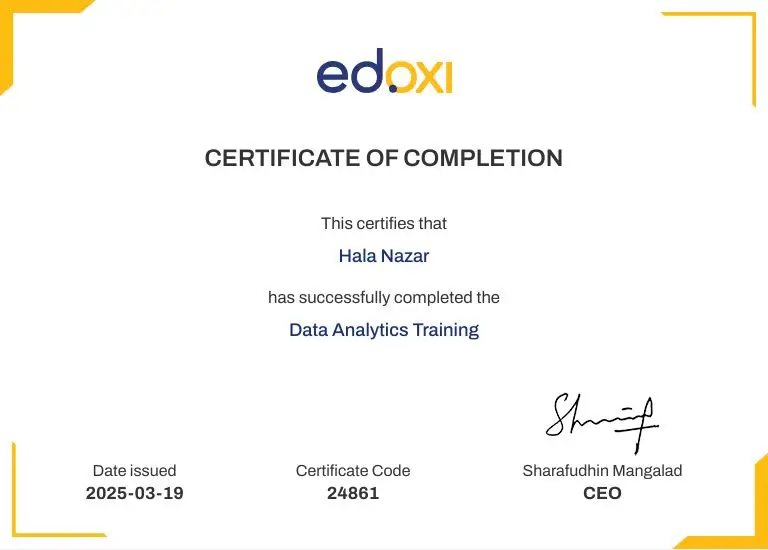
A post-course assessment measures your learning and supports your Edoxi course completion certificate after successful completion.

Who Can Join the Revit Architecture Course in Qatar?

Architecture Professionals

Ideal for architects who want to improve their design, drafting, and BIM skills.

Engineering Students

Designed for students seeking practical skills and industry knowledge to support their careers.

Construction Professionals

Perfect for construction professionals looking to improve project planning and coordination skills.

Technical Professionals

Suitable for professionals who want to enhance their technical and design capabilities.

BIM Team Members

Tailored for BIM professionals aiming to strengthen their modelling and collaboration skills.

Design Enthusiasts

Ideal for individuals interested in learning modern design and BIM tools for personal or professional growth.

Revit Architecture Course Modules

Module 1: New Features for Revit Architecture
  • Chapter 1.1: Overview of New Features

    • Lesson1.1.1: New Features for Revit Architecture 2025
Module 2: Introduction to Autodesk Revit Architecture
  • Chapter 2.1: Navigating the User Interface

    • Lesson 2.1.1: User Interface Tour
    • Lesson 2.1.2: Browsers, Bars, Palettes, & Windows
    • Lesson 2.1.3: Revit Architecture Help
Module 3: Starting an Architectural Project
  • Chapter 3.1: Project Initialization

    • Lesson 3.1.1: Starting a New Architectural Project
    • Lesson 3.1.2: Navigation Tools
    • Lesson 3.1.3: Configuring Global Setting
Module 4: Creating Walls
  • Chapter 4.1: Architectural Wall Creation

    • Lesson 4.1.1: Creating Architectural Walls
    • Lesson 4.1.2: Creating Architectural Walls II
Module 5: Using Basic Building Components - I
  • Chapter 5.1: Adding Key Components

    • Lesson 5.1.1: Adding Doors
    • Lesson 5.1.2: Adding Windows and Wall Openings
Module 6: Using the Editing Tools
  • Chapter 6.1: Mastering Editing Tools

    • Lesson 6.1.1: Working with Selection Sets
    • Lesson 6.1.2: Editing Tools
    • Lesson 6.1.3: Editing Tools II
    • Lesson 6.1.4: Grouping Elements
    • Lesson 6.1.5: Retrieving Information About Elements
Module 7: Working with Datum Planes and Creating Standard Views
  • Chapter 7.1: Utilizing Datum Planes

    • Lesson 7.1.1: Working with Levels
    • Lesson 7.1.2: Working with Grids
    • Lesson 7.1.3: Working with Reference Planes and Work Planes
  • Chapter 7.2: Managing Project Views

    • Lesson 7.2.1: Controlling the Display of Elements
    • Lesson 7.2.2: Working with Project Views
Module 8: Using Basic Building Components - II
  • Chapter 8.1: Creating Core Components

    • Lesson 8.1.1: Creating Floors
    • Lesson 8.1.2: Creating Roofs
    • Lesson 8.1.3: Shape Editing Tools
    • Lesson 8.1.4: Creating Ceilings
    • Lesson 8.1.5: Adding Rooms
Module 9: Adding Site Features
  • Chapter 9.1: Site Management Tools

    • Lesson 9.1.1: Working with Site Features
    • Lesson 9.1.2: Property Lines & Building Pads
    • Lesson 9.1.3: Adding Site Components
Module 10: Using Massing Tools
  • Chapter 10.1: Understanding Massing

    • Lesson 10.1.1: Understanding Massing Concepts
  • Chapter 10.2: Creating and Editing Massing Geometry

    • Lesson 10.2.1: Creating Massing Geometry in the Family Editor
    • Lesson 10.2.2: Editing Massing Geometry in the Family Editor
    • Lesson 10.2.3: Massing in the Conceptual Design Environment
    • Lesson 10.2.4: Creating Massing Geometry in a Project
  • Chapter 10.3: Generating Building Elements

    • Lesson 10.3.1: Creating Building Elements from Massing Geometry
    • Lesson 10.3.2: Creating Families
Module 11: Adding Annotations and Dimensions
  • Chapter 11.1: Annotation Tools

    • Lesson 11.1.1: Adding Tags
    • Lesson 11.1.2: Room Tags
  • Chapter 11.2: Dimensioning Tools

    • Lesson 11.2.1: Dimensioning Tools
    • Lesson 11.2.2: Keynotes
    • Lesson 11.2.3: Adding Symbols & Dimensions
    • Lesson 11.2.4: Units and Spot Dimensions
    • Lesson 11.2.5: Dimensioning Terminology and Dimensioning Tools
    • Lesson 11.2.6: Adding Alternate Dimension Units and Spot Dimensions
Module 12: Adding Site Features
  • Chapter 12.1: Project Detailing

    • Lesson 12.1.1: Project Detailing in Autodesk Revit Architecture
    • Lesson 12.1.2: Crop Regions, Fill Patterns, and Detail Components
  • Chapter 12.2: Adding and Managing Text

    • Lesson 12.2.1: Adding Text Notes
    • Lesson 12.2.2: Creating Drafting Views
  • Chapter 12.3: Revision and Scheduling

    • Lesson 12.3.1: Revision Clouds
    • Lesson 12.3.2: Working with Schedules
Module 13: Creating Drawing Sheets and Plotting
  • Chapter 13.1: Sheet Creation and Printing

    • Lesson 13.1.1: Creating Drawing Sheets
    • Lesson 13.1.2: Creating Duplicate Dependent Views
    • Lesson 13.1.3: Printing in Revit Architecture
Module 14: Creating 3D Views
  • Chapter 14.1: 3D Visualization Tools

    • Lesson 14.1.1: Three Dimensional (3D) Views
    • Lesson 14.1.2: Dynamically Viewing Models with Navigation Tools
    • Lesson 14.1.3: Orienting a 3D View
    • Lesson 14.1.4: Generating Perspective Views
    • Lesson 14.1.5: Using a Section Box
Module 15: Rendering Views and Creating Walkthroughs
  • Chapter 15.1: Rendering and Materials

    • Lesson 15.1.1: Rendering in Revit Architecture
    • Lesson 15.1.2: Working with Materials
    • Lesson 15.1.3: Lights, Decals, and Entourage
    • Lesson 15.1.4: Rendering Settings
  • Chapter 15.2: Walkthroughs and Cloud Integration

    • Lesson 15.2.1: Creating a Walkthrough
    • Lesson 15.2.2: Autodesk 360 | Rendering
Module 16: Using Advanced Features I
  • Chapter 16.1: Parametric Design and Components

    • Lesson 16.1.1: Parametric Family
    • Lesson 16.1.2: Organic Shapes
    • Lesson 16.1.3: Creating Structural Components
  • Chapter 16.2: Advanced Analysis and Visualization

    • Lesson 16.2.1: Generating Multiple Design Options
    • Lesson 16.2.2: Using Area Analysis Tools
    • Lesson 16.2.3: Masking Regions
    • Lesson 16.2.4: Creating Displaced Views
    • Lesson 16.2.5: Color Schemes
    • Lesson 16.2.6: Working with Project Phasing Tools
Module 17: Using Advanced Features II
  • Chapter 17.1: Collaborative and Environmental Tools

    • Lesson 17.1.1: Work-sharing Concepts
    • Lesson 17.1.2: Elements Families, Browsers, Generating Shadows
    • Lesson 17.1.3: Creating Solar Studies
  • Chapter 17.2: Advanced Model Integration

    • Lesson 17.2.1: Working with Point Clouds
    • Lesson 17.2.2: Revit Architecture Interoperability
    • Lesson 17.2.3: Linking Building Models and Sharing Coordinates
    • Lesson 17.2.4: Working with Linked Models

Download Revit Architecture Course Brochure

Real-World Projects in the Revit Architecture Training in Qatar

Our Revit Architecture course emphasises practical learning using Revit, Navisworks, and BIM 360. Students work on three major projects and an activity throughout the training.

Projects

  • G+1 Building Project

    Design a complete building layout. Create structural components and detailed floor plans. Generate materials and schedules.

  • Villa Design Project

    Develop a residential project from concept. Create detailed interior and exterior elements. Learn family creation.

  • Massing Project

    Practice parametric modelling techniques. Create complex building forms. Apply design changes dynamically.

  • Façade Design Implementation

    Develop detailed building façades using Revit's advanced modelling capabilities.

Revit Architecture Course Outcomes and Career Opportunities in Qatar

Edoxi’s Revit Architecture Course in Qatar helps you build practical BIM and architectural design skills for today’s construction sector. The following outcomes and career paths show how these skills can support your professional growth in Qatar and beyond.

Course Outcome Image
Build accurate 3D architectural models and improve your practical Revit modelling skills.
Explore design options and create complex architectural forms using Revit tools.
Produce detailed 3D views and present your architectural concepts more effectively.
Create drawings, schedules and project documentation while improving your workflow efficiency.
Identify potential design conflicts and support smoother multidisciplinary project coordination.
Organise project information and manage model data with greater accuracy and consistency.

Career Opportunities After Revit Architecture Training in Qatar

  • BIM Modeller
  • BIM Draftsman
  • BIM Technician
  • Junior Architect
  • Revit Architecture Specialist
  • Architectural BIM Coordinator
  • BIM Engineer
  • Architectural Designer
  • Revit Designer
  • BIM Coordinator

Top Companies Hiring Revit Architecture Professionals in Qatar

  • Omnix International
  • Duncan & Ross
  • CandidZone
  • Neo Spectrum Consultancy Engineering
  • Consol Group
  • AECOM
  • Parsons
  • WSP
  • Qatar Design Consortium
  • Arab Engineering Bureau

Revit Architecture Training Options

Classroom Training

  • 35 Hours of Revit Architecture Training

  • Weekend and evening batches

  • Professional software setup with the latest tools

  • The most updated 2025 Revit Architecture syllabus

  • One-to-one, personalised session

Live Online Training

  • 35 Hours of Online Revit Architecture Training

  • Same schedule flexibility as classroom training

  • Real-time interaction with the trainer

  • Access to all course materials

  • One-to-one attention

Corporate Training

  • 5-day Revit Architecture Corporate Training

  • Customised schedule for teams

  • Training at the hotel, client premises or our institute

  • Dedicated support throughout the program

Do You Want a Customised Training for Revit Architecture?

Get expert assistance in getting your Revit Architecture Course Customised!

How to Get Revit Architecture Certified in Qatar?

Here’s a four-step guide to becoming a certified Revit Architecture Professional.
Do You Want to be a Certified Professional in Revit Architecture?

Join Edoxi’s Revit Architecture Course

Why Choose Edoxi for Revit Architecture Course in Qatar?

Choosing the right Revit training can strengthen your BIM skills and career prospects in Qatar. Here are the key reasons our Revit Architecture Course in Qatar supports your professional learning goals.

Expert-Led Training

Our experienced Revit and BIM trainers guide your learning with practical expertise in architectural modelling, drafting, detailing and visualisation.

Advanced BIM Skills

Our curriculum covers 3D BIM modelling, architectural drafting, detailing and visualisation to strengthen your practical Revit capabilities.

Real-World Projects

Our G+1 buildings, villa designs, massing and façade projects give you practical experience with realistic architectural scenarios.

Personalised Learning

With one-to-one and small-group options, we provide focused guidance that matches your learning needs and professional goals.

Corporate Training

Our customised corporate training helps your teams develop Revit and BIM skills aligned with their projects, workflows and business requirements.

Flexible Training

Our online and in-person options make it easier to fit Revit learning around your work schedule and professional commitments in Qatar.

Career-Focused Approach

We focus on practical skills that strengthen your profile for opportunities across architecture, construction, engineering and BIM.

Proven Training Experience

Our training approach combines structured learning, practical activities and professional guidance to help you build relevant Revit skills for Qatar’s industry.

students-image

Edoxi is Recommended by 95% of our Students

Meet Our Mentor

Our mentors are leaders and experts in their fields. They can challenge and guide you on your road to success!

mentor-image

MANDER G SINGH

Mander Singh is a Senior Design Professional with over 9 years of experience in interior design, architecture, and project management. He specialises in BIM, modelling, drafting, and sustainable design, using tools like AutoCAD, Revit, SketchUp, and Lumion. Mander is known for his practical, hands-on training that equips learners with real-world skills in architecture and interior design.

Mander holds a Bachelor's in Architecture and is certified in Advanced Revit Training. He has led high-end commercial and hospitality projects in India and the UAE. He also has experience in delivering innovative design solutions and managing fit-out projects. Mander is passionate about sustainable design, mentoring future talent, and using the latest technology to boost creativity and efficiency.

What Edoxians Say About Their Journey

Locations Where Edoxi Offers Revit Architecture Course

Here is the list of other major locations where Edoxi offers Revit Architecture Course

FAQ

Does the Revit Architecture Course in Qatar cover software installation and setup?

Yes. Edoxi guides you through the basic Revit software setup and configuration process. You also learn how to get started with the Revit interface and essential project settings.

Does Edoxi’s Revit Architecture Course cover Revit Architecture 2025 updates?

Yes. Our Revit Architecture training includes relevant Revit 2025 features and updates. This helps you work with current tools and workflows used in architectural projects.

What are the prerequisites for joining the Revit Architecture Course in Qatar?

Basic architectural and CAD knowledge is recommended. Familiarity with architectural drawings, design concepts or AutoCAD can make your Revit learning experience easier. Beginners can also discuss their background with our team before enrolling.

What advanced Revit Architecture concepts do I learn from Edoxi’s course?

You develop advanced skills in BIM-based architectural workflows. Our training covers areas such as parametric design, components, area analysis, collaborative workflows and Revit interoperability.

What practical projects are included in the Revit Architecture Course in Qatar?

You work on practical architectural projects. Our training includes a G+1 building, villa design, massing and façade projects. These activities help you apply Revit tools to realistic design and BIM scenarios.

What are the benefits of joining Edoxi’s Revit Architecture Course in Qatar?

The course helps you develop practical, workplace-focused Revit skills. You learn to create architectural models, construction documentation, schedules and coordinated BIM data. These skills can support your career development across Qatar’s architecture, engineering and construction sectors.

Does Edoxi provide a Revit Architecture Certification after the course?

Edoxi provides a course completion certificate after successful completion of the post-course assessment. This gives you documented evidence of your training and learning with Edoxi.

What is the average salary for Revit Architecture professionals in Qatar?

Salary depends on your job role, experience, employer and technical skills. For example, current salary data places the average BIM Modeller salary in Qatar at around QAR 7,206 per month, while Indeed reports around QAR 7,227 per month in Doha. 

Can the Revit Architecture Course support a career in BIM in Qatar?

Yes. Our course develops skills relevant to BIM Modeller, BIM Draftsman, BIM Technician, Revit Designer and architectural BIM roles. Practical project work also helps you build skills that are relevant to Qatar’s AEC sector.

Does Edoxi offer Revit Structure Training or Revit Structure Certification?

Revit Structure is a separate specialisation from Revit Architecture. Edoxi’s Revit Architecture Course focuses on architectural modelling, documentation and BIM workflows. If you are specifically looking for Revit Structure Training or Revit Structure Certification, contact our team for the relevant course options in Qatar.

Is Revit Architecture training suitable for corporate learners in Qatar?

Yes. Our corporate training option helps organisations develop Revit and BIM capabilities across their teams. Training can focus on your project requirements, workflows and employee skill gaps.

What career opportunities can I explore after Revit Architecture Training?

Revit skills can support several architecture and BIM career paths. Depending on your experience and qualifications, you can explore roles such as BIM Modeller, BIM Draftsman, BIM Technician, Junior Architect, Revit Designer and Architectural BIM Coordinator.