
Leave your message to get our quick response
edoxi automated message icon

Graphic Design Course in Kuwait

Professional graphic designer working on a laptop with a creative digital background, representing graphic design course training and creative design skills.
Edoxi's 30-hour Professional Graphic Design course in Kuwait builds comprehensive design skills using Adobe Photoshop, Illustrator, and InDesign.​ It provides hands-on experience in branding, digital media, and commercial printing projects, preparing you for a creative career in Kuwait. Gain expertise in design principles, photo retouching, illustration, and publication layout. Enrol now and create an industry-ready portfolio with our professional certification.
Course Duration
30 Hours
Corporate Days
5 Days
Learners Enrolled
200+
Modules
8
star-rating-icon1
star-rating-icon2
star-rating-icon3
Course Rating
4.9
star-rating-4.9
Mode of Delivery
Online
Classroom
Certification by

What Do You Learn from Edoxi's Graphic Design Training

Master Adobe Creative Suite
Gain hands-on expertise in advanced Photoshop, Illustrator, and InDesign techniques.
Professional Design Foundations
Build a strong understanding of typography, colour psychology, and visual composition.
Branding & Identity Design
Create complete brand identities, including logos, brand guidelines, and marketing collateral.
Digital Media & Marketing Design
Design compelling visuals for social media, websites, and digital marketing campaigns.
Print Design & Production
Produce high-quality brochures, catalogues, and packaging with industry-ready layouts.
Photo Editing & Digital Illustration
Perfect photo retouching, digital illustration, and creative visual effects.

About Our Graphic Design Course in Kuwait

Edoxi’s 30-hour Graphic Design Course in Kuwait equips you with skills in the Adobe Creative Suite, covering Photoshop, Illustrator, and InDesign. This program prepares individuals for creative careers in Kuwait by combining core design principles with real-world, industry-focused applications. 

Our Graphic Design curriculum encompasses advanced techniques in photo editing, illustration, branding, digital media design, and print production. It includes assignments, brand development projects, and publication design workshops. Learners will master professional workflows, create complete brand identity packages, and build a robust design portfolio showcasing diverse skills for various creative roles.

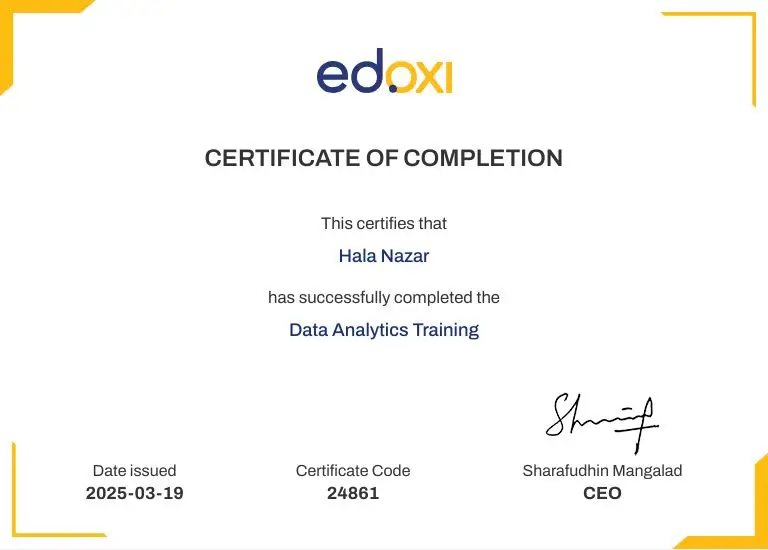
This Graphic Design course is suitable for digital marketing professionals, content creators, architects, career transitioners, fresh graduates, and creative enthusiasts. Upon successful completion of the training, you will gain a Graphic Design Certification from Edoxi. This credential validates your proficiency in key Adobe applications and prepares you for roles such as Junior Graphic Designer, Visual Designer, and Art Director in the thriving Kuwait creative industry.

Enrol now to strengthen your creative skills and advance your career in high-demand graphic design roles across industries in Kuwait.

Key Features of Edoxi's Graphic Design Training

Structured Course Progression

Follows a step-by-step learning path for gradual skill development, starting with Photoshop, progressing to Illustrator, and concluding with InDesign.

Hands-On Assignments & Projects

Complete assignments and projects for each software, focusing on core design concepts to strengthen skills and ensure effective application.

Brand Development Projects

Create complete brand identity packages through guided case studies of successful brands, including detailed style guides with typography, colour palettes, and logo variations.

Publication Design Workshop

Covers professional layout techniques for brochures and product catalogues using InDesign, along with the creation of interactive PDFs and digital publishing formats.

Comprehensive Learning Resources

Receive keyboard shortcut guides to improve design efficiency and gain access to recorded sessions and exercise files for ongoing practice.

Professional Design Portfolio

Build a strong, job-ready portfolio showcasing a wide range of design skills, adding significant value when pursuing creative roles.

Who Can Join Our Graphic Design Course in Kuwait

Digital Marketing Professionals

Digital marketers can enhance their visual content creation skills. The course provides specialised training in social media design.

Content Creators and Social Media Managers

Content creators learn professional design tools for online platforms. Social media managers develop skills for creating engaging visuals.

Architects and Interior Designers

Design professionals strengthen their digital visualisation capabilities. The course complements existing technical drawing knowledge.

Career Transitioners

Professionals from any field can start design careers. The course builds foundational skills for creative industry roles.

Fresh Graduates

Recent graduates develop skills for design positions. The training prepares them for entry-level creative roles.

Creative Enthusiasts

Art enthusiasts can transform their passion into professional skills. The course provides technical training for creative expression.

Graphic Design Course Modules


PHOTOSHOP

Module 1: Photoshop Introduction
  • Chapter 1.1: Overview of Photoshop

    • Lesson 1.1.1: Photoshop Repairing and Replacing Images
    • Lesson 1.1.2: Photoshop Interface
    • Lesson 1.1.3: Non-Destructive Workflow
  • Chapter 1.2: Photoshop Tools and Panels

    • Lesson 1.2.1: Control Bar
    • Lesson 1.2.2: Photoshop Panels
    • Lesson 1.2.3: Photoshop Techniques
Module 2: Photoshop Repairing and Replacing Images (Part 1)
  • Chapter 2.1: Image Repairing Tools

    • Lesson 2.1.1: Clone Tool (Remove or Replace Parts of an Image)
    • Lesson 2.1.2: Healing Brush (Fix Damages to Part or Whole of an Image)
    • Lesson 2.1.3: Red Eye Removal
    • Lesson 1.4: Content-Aware Fill
Module 3: Photoshop Repairing and Replacing Images (Part 2)
  • Chapter 3.1: Advanced Image Adjustments

    • Lesson 3.1.1: Grids, Guides, and Rulers
    • Lesson 3.1.2: Print vs Pixel
    • Lesson 3.1.3: Image Resize, Resolution, and Artwork Sizing
    • Lesson 3.1.4: Rotation and Transformation Tools
    • Lesson 3.1.5: Working with the Crop Tool
Module 4: Photoshop Layers
  • Chapter 4.1: Understanding Layers

    • Lesson 4.1.1: Understanding Layers
    • Lesson 4.1.2: Creating, Editing, and Shuffling Layers
    • Lesson 4.1.3: Merging and Flattening Layers
    • Lesson 4.1.4: Layer Palette
    • Lesson 4.1.5: Fill Layers
    • Lesson 4.1.6: Adjustment Layers
Module 5: Photoshop Practicalities
  • Chapter 5.1: Workflow Optimization

    • Lesson 5.1.1: Working with Multiple Images
    • Lesson 5.1.2: Understanding Different Image Modes
    • Lesson 5.1.3: Photoshop Keystrokes
  • Chapter 5.2: Workspace and Views

    • Lesson 5.2.1: Working with Views
    • Lesson 5.2.2: Window > Arrange
    • Lesson 5.2.3: Window > Workspace
    • Lesson 5.2.4: Image Formats
Module 6: Photoshop Colour
  • Chapter 6.1: Colour Tools and Modes

    • Lesson 6.1.1: Working with Colour
    • Lesson 6.1.2: Colour Modes
    • Lesson 6.1.3: Colour Harmony
  • Chapter 6.2: Colour Adjustments

    • Lesson 6.2.1: Colour Replacement Brush
    • Lesson 6.2.2: Hue and Saturation
    • Lesson 6.2.3: Colour Balance
    • Lesson 6.2.4: Black and White Mode
Module 7: Photoshop Filters
  • Chapter 7.1: Applying Filters

    • Lesson 7.1.1: Filter Gallery
    • Lesson 7.1.2: Liquefy
    • Lesson 7.1.3: Oil Paint
    • Lesson 7.1.4: Vanishing Point
Module 8: Photoshop Brushes
  • Chapter 8.1: Working with Brushes

    • Lesson 8.1.1: Working with Brushes
    • Lesson .1.2: Creating Brushes
    • Lesson 8.1.3: Brush Tool and Mixer Brush
    • Lesson 8.1.4: Brush Presets
Module 9: Photoshop Selection & Selection Techniques
  • Chapter 9.1: Selection Tools

    • Lesson 9.1.1: Lasso, Magnetic Lasso, and Magic Wand
    • Lesson 9.1.2: Feathering Selections
  • Chapter 9.2: Modifying and Saving Selections

    • Lesson 9.2.1: Expanding and Reducing Selections
    • Lesson 9.2.2: Modifying and Transforming Selections
    • Lesson 9.2.3: Quick Masks
    • Lesson 9.2.4: Save/Load a Selection
Module 10: Photoshop Automation
  • Chapter 10.1: Automating Processes

    • Lesson 10.1.1: Contact Sheets
    • Lesson 10.1.2: Batch Processing
    • Lesson 10.1.3: Photoshop Merge and Panoramic
  • Chapter 10.2: Working with Panoramas

    • Lesson 10.2.1: Blending Panoramas
    • Lesson 10.2.2: Editing Panoramas
    • Lesson 10.2.3: Automation Options
Module 11: Photoshop Masking
  • Chapter 11.1: Masking Techniques

    • Lesson 11.1.1: Quick Masks
    • Lesson 11.1.2: Quick Mask Mode
    • Lesson 11.1.3: Creating Accurate Masks
    • Lesson 11.1.4: Adding to and Removing from a Mask
Module 12: Photoshop Round Tripping (Part 1)
  • Chapter 12.1: File Management

    • Lesson 12.1.1: Placing Photoshop Files in DTP Software
    • Lesson 12.1.2: Editing Photoshop Files
    • Lesson 12.1.3: Save/Load a Selection
Module 13: Photoshop Round Tripping (Part 2)
  • Chapter 13.1: Working with Type

    • Lesson 13.1.1: Creating Type
    • Lesson 13.1.2: Editing Type
    • Lesson 13.1.3: Type Masks
    • Lesson 13.1.4: Type & FX Effects
    • Lesson 13.1.5: Shaping Type
    • Lesson 13.1.6: Type & Good Design
Module 14: Photoshop Colour (Advanced)
  • Chapter 14.1: Colour Models and Palettes

    • Lesson 14.1.1: Colour Palettes
    • Lesson 14.1.2: Colour Models (CMYK, RGB, LAB)
  • Chapter 14.2: Gradients and Colour Matching

    • Lesson 14.2.1: Gradients: Creating and Editing
    • Lesson 14.2.2: Mixing and Matching Colours
    • Lesson 14.2.3: Pantones and Spot Colours
    • Lesson 14.2.4: Colour Profiles

ILLUSTRATOR

Module 1: Introduction to Adobe Illustrator
  • Chapter 1.1: Overview and Basic Tools

    • Lesson 1.1.1: Overview of Adobe Illustrator
    • Lesson 1.1.2: Basic Tools and Techniques of Adobe Illustrator
Module 2: Creating and Editing Artwork
  • Chapter 2.1: Working with Shapes

    • Lesson 2.1.1: Create and Edit Shapes to Create Artwork for a Postcard
    • Lesson 2.1.2: Transform and Edit Artwork
  • Chapter 2.2: Color and Strokes

    • Lesson 2.2.1: Change Color and Strokes
    • Lesson 2.2.2: Blend Colors and Shapes
Module 3: Text and Drawing Tools
  • Chapter 3.1: Adding and Customizing Text

    • Lesson 3.1.1: Add Text to Your Designs
    • Lesson 3.1.2: Working with Type
  • Chapter 3.2: Drawing Tools

    • Lesson 3.2.1: Create with Drawing Tools
    • Lesson 3.2.2: Drawing with the Pen and Pencil Tools
    • Lesson 3.2.3: Working with Perspective Drawing
Module 4: Color and Painting
  • Chapter 4.1: Advanced Coloring Techniques

    • Lesson 4.1.1: Color and Painting
    • Lesson 4.1.2: Explore Creativity with Effects and Graphic Styles
Module 5: Organizing and Managing Artwork
  • Chapter 5.1: Organizing Content

    • Lesson 5.1.1: Organize Content with Layers
    • Lesson 5.1.2: Work with Artboards
  • Chapter 5.2: Managing Artwork Elements

    • Lesson 5.2.1: Add Images and Artistic Effects
    • Lesson 5.2.2: Applying Effects
    • Lesson 5.2.3: Transforming Objects
Module 6: Advanced Design Techniques
  • Chapter 6.1: Creating Logos and Designs

    • Lesson 6.1.1: Create Logos with Brushes
    • Lesson 6.1.2: Applying Appearance Attributes and Graphic Styles
  • Chapter 6.2: Symbols and Sharing

    • Lesson 6.2.1: Working with Symbols
    • Lesson 6.2.2: Share Artwork

INDESIGN

Module 1: InDesign Tools
  • Chapter 1.1: Exploring the InDesign Interface

    • Lesson 1.1.1: The Document Window
    • Lesson 1.1.2: The Toolbar
    • Lesson 1.1.3: Navigating Through an InDesign Document
    • Lesson 1.1.4: Changing the Magnification of Your Document
  • Chapter 1.2: Working with Type and Styles

    • Lesson 1.2.1: Working with Type
    • Lesson 1.2.2: Using Styles
    • Lesson 1.2.3: Applying Paragraph Styles
Module 2: Building Documents with Master Pages
  • Chapter 2.1: Setting Up Custom Documents

    • Lesson 2.1.1: Creating Custom Page Sizes
    • Lesson 2.1.2: Creating a New Custom-Sized Document
  • Chapter 2.2: Master Pages and Layouts

    • Lesson 2.2.1: Creating and Formatting Master Pages
    • Lesson 2.2.2: Adding Layout Pages
    • Lesson 2.2.3: Adding Images and Text to the Master Frames
Module 3: Working with Text & Type
  • Chapter 3.1: Text Basics

    • Lesson 3.1.1: Adding Text to Your Document
    • Lesson 3.1.2: Creating a Text Frame
  • Chapter 3.2: Text Formatting

    • Lesson 3.2.1: Changing Character Attributes
    • Lesson 3.2.2: Changing Font and Type Styles
    • Lesson 3.2.3: Adjusting Line Spacing
    • Lesson 3.2.4: Adjusting Character Spacing: Kerning and Tracking
    • Lesson 3.2.5: Changing Paragraph Attributes
    • Lesson 3.2.6: Horizontally Aligning Text
    • Lesson 3.2.7: Changing the Spacing Before and After Paragraphs
    • Lesson 3.2.8: Using Tabs
  • Chapter 3.3: Advanced Text Editing

    • Lesson 3.3.1: Checking Spelling
    • Lesson 3.3.2: Finding and Changing Text and Attributes
    • Lesson 3.3.3: Editing Text Using the Story Editor
    • Lesson 3.3.4: Drag-and-Drop Text Editing
    • Lesson 3.3.5: Adjusting Inline Text
    • Lesson 3.3.6: Vertically Aligning Text
  • Chapter 3.4: Importing and Threading Text

    • Lesson 3.4.1: Importing Text
    • Lesson 3.4.2: Threading Text Between Frames
    • Lesson 3.4.3: Changing the Number of Columns in a Text Frame
    • Lesson 3.4.4: Importing Text from Microsoft Word
    • Lesson 3.4.5: Finding and Fixing Missing Fonts
  • Chapter 3.5: Object and Text Styles

    • Lesson 3.5.1: Using Object Styles
    • Lesson 3.5.2: Applying Object Styles to Text
Module 4: Working with Graphics
  • Chapter 4.1: Graphics Management

    • Lesson 4.1.1: Understanding How InDesign Handles Graphics
    • Lesson 4.1.2: Locating Missing Images
    • Lesson 4.1.3: Working with the Links Panel
    • Lesson 4.1.4: Customizing the Links Panel
  • Chapter 4.2: Image Placement and Adjustments

    • Lesson 4.2.1: Fitting an Image Within an Existing Frame
    • Lesson 4.2.2: Using Auto Fitting
    • Lesson 4.2.3: Using Object Styles for Images
    • Lesson 4.2.4: Wrapping Text Around the Bounding Box
    • Lesson 4.2.5: Using Graphics with Clipping Paths and Alpha Channels
    • Lesson 4.2.6: Removing an Image Background Using InDesign
  • Chapter 4.3: Importing Advanced Graphics

    • Lesson 4.3.1: Importing Layered Photoshop Files
    • Lesson 4.3.2: Importing InDesign Layouts as Graphics
Module 5: Working with Tables
  • Chapter 5.1: Table Creation and Importing

    • Lesson 5.1.1: Creating a Table
    • Lesson 5.1.2: Creating New Tables Within a Table
    • Lesson 5.1.3: Copying and Pasting Table Information
    • Lesson 5.1.4: Converting Text to a Table and a Table to Text
    • Lesson 5.1.5: Importing a Table
  • Chapter 5.2: Table Editing and Formatting

    • Lesson 5.2.1: Editing Table and Table Options
    • Lesson 5.2.2: Changing Row Height and Column Width
    • Lesson 5.2.3: Editing Rows and Columns
    • Lesson 5.2.4: Resetting Cell Styles Within a Table
    • Lesson 5.2.5: Formatting Text Within a Cell and Saving Paragraph Styles
  • Chapter 5.3: Graphics in Tables

    • Lesson 5.3.1: Using Graphics in Tables
Module 6: Using Color in Your Documents
  • Chapter 6.1: Applying Colors

    • Lesson 6.1.1: Applying Colors to Frames and Text
    • Lesson 6.1.2: Creating and Saving a New Swatch
    • Lesson 6.1.3: Applying Strokes to Text
  • Chapter 6.2: Advanced Color Adjustments

    • Lesson 6.2.1: Creating a Tint Reduction
    • Lesson 6.2.2: Making a Dashed Stroke
    • Lesson 6.2.3: Creating and Saving Gradients
    • Lesson 6.2.4: Linear Gradients
    • Lesson 6.2.5: Saving a Gradient
    • Lesson 6.2.6: Adjusting Fill Opacity
    • Lesson 6.2.7: Radial Gradient
    • Lesson 6.2.8: Adjusting the Direction of a Radial Gradient
Module 7: Applying Colors to Multiple Objects
  • Chapter 7.1: Color Management

    • Lesson 7.1.1: Updating and Editing Colors
    • Lesson 7.1.2: Colorizing a Grayscale Image
Module 8: Using Effects
  • Chapter 8.1: Applying Creative Effects

    • Lesson 8.1.1: Creative Effects and Drop Shadow
    • Lesson 8.1.2: Adjusting Effects for Objects
    • Lesson 8.1.3: Bevel and Emboss
    • Lesson 8.1.4: Using Object Styles with Effects
  • Chapter 8.2: Advanced Effects

    • Lesson 8.2.1: Using Find/Change to Apply Object Styles
    • Lesson 8.2.2: The Gradient Feather Tool
    • Lesson 8.2.3: Converting Text to a Path
    • Lesson 8.2.4: Applying Blending Modes to Objects

Download Graphic Design Course Brochure

Real-World Projects and Case Studies in Our Graphic Design Course in Kuwait

The graphic design course integrates intensive hands-on training using Adobe Creative Suite applications​. ​This allows learners to work on real-world projects and case studies that simulate industry challenges. The key activities include:

Projects

  • Advanced Photo Retouching Studio

    Master professional retouching techniques for fashion and product photography using Photoshop. Learn colour grading workflows and advanced composition methods for commercial applications.

  • Commercial Print Design

    Create professional flyers and posters using industry-standard design practices. Apply advanced colour management and prepare files for commercial printing specifications.

  • Brand Identity Development

    Develop comprehensive brand packages using Illustrator, including logo design, typography systems, and pattern creation. Create cohesive visual identities for business applications.

  • Apparel and Merchandise Design

    Design custom t-shirts and promotional materials using vector graphics. Learn textile printing requirements and merchandising design specifications.

  • Publication Layout Design

    Create professional brochures and product catalogues using InDesign's master pages and style systems. Learn proper pre-press preparation for commercial printing.

  • Packaging and Marketing Materials

    Design product packaging and marketing collateral using proper specifications. Develop social media templates and promotional materials for digital platforms.

Graphic Design Course Outcome and Career Opportunities in Kuwait

By completing our graphic design course, you will develop a strong foundation in visual communication, master industry-standard design software, and gain the skills to create compelling visual content for various platforms.​ The key outcomes include:

Course Outcome Image
Students gain proficiency in Adobe Photoshop, Illustrator, and InDesign, enabling them to handle a wide range of graphic design tasks.
Graduates understand and apply professional design principles such as typography, colour psychology, and composition to create effective visual communication.
Participants develop comprehensive brand identities, including logos, style guides, and supporting marketing materials.
Students learn to create engaging digital designs for social media, web, and marketing platforms, along with professional print materials such as brochures, catalogues, and packaging.
Learners master photo retouching, digital illustration, and creative effects required for diverse design projects.
Each student builds a professional design portfolio showcasing multiple projects, enhancing employability in the competitive creative job market.

Career Opportunities After Completing the Graphic Design Training in Kuwait

  • Graphic Designer
  • Social Media Designer
  • Production Artist
  • Visual Designer
  • Brand Designer
  • Art Director
  • Creative Director
  • Design Team Lead

Companies Hiring Graphic Designers in Kuwait

  • AZ eWallet
  • Farmafood
  • Client of STB-DJL Human Link
  • Karyan Group
  • Concept Communications
  • RTC-1 Employment Services
  • Sahara Kuwait Resort
  • Concept Communications
  • Urbanlinks

Graphic Design Training Options

Classroom Training

  • 30-hour professional Graphic Design Training

  • Professional Design Lab Access

  • Small Group Learning with Personalized Attention

  • Hands-on Project Guidance

  • Direct Instructor Support

  • Real-time Feedback System

Live Online Training

  • 30 hours online Graphic Design Certification Course

  • Interactive Virtual Sessions

  • Flexible Learning Platform

  • Individual Project Support

  • Session Recordings Access

  • Software installation support

Corporate Training

  • Customised Program Structure

  • Flexible Schedule Options

  • Comprehensive Resource Package

  • Training delivered at a selected hotel, client premises, or Edoxi

  • Fly-Me-a-Trainer Option

  • Team-specific Content Adaptation

Do You Want a Customised Training for Graphic Design?

Get expert assistance in getting you Graphic Design Course customised!

How to Get a Graphic Design Certification in Kuwait?

Here’s a four-step guide to becoming a certified Graphic Design professional.
Do You Want to be a Certified Professional in Graphic Design?

Join Edoxi’s Graphic Design Course

Why Choose Edoxi for a Graphic Design Course in Kuwait?

Among the many options available, Edoxi is a standout choice. Here’s why Edoxi’s Graphic Design training in Kuwait is the perfect fit for your needs:

Professional Design Labs

Learners have access to fully equipped computer workstations. Each station contains Adobe Creative Suite for professional projects.

Proven Success Record

We have trained over 600+ design professionals to enhance their careers with graphic design skills.

Small Batch Learning

Four students per batch ensures focused attention. Every student receives individual project guidance.

Industry-Ready Portfolio

Students create professional design projects. The portfolio includes 10+ projects.

Complete Creative Suite Training

Learn the advanced Adobe design applications. Master professional workflows through hands-on exercises.

students-image

Edoxi is Recommended by 95% of our Students

Meet Our Mentor

Our mentors are leaders and experts in their fields. They can challenge and guide you on your road to success!

mentor-image

Ghanashyambhai Bhagvanbhai Vaghani

Ghanashyambhai Bhagvanbhai Vaghani is a Graphic & 3D Visualization Trainer with over 15 years of training experience. His expertise spans multiple disciplines, including interior design, graphic design, 3Ds Max and UI/UX development. Ghanashyambhai is an Adobe Creative Suite Specialist with expertise in Photoshop, Illustrator, InDesign, Premiere Pro, After Effects, and Blender. He is also a highly sought-after corporate trainer with exceptional skills in digital content creation and architectural visualization. During his career, he has guided over 5,000 students through professional design education.

He holds a Diploma in Animation and Visual Effects from Frameboxx India and has served as faculty at prestigious institutions, including IIFT and IDT India. His experience with E Train India has further refined his ability to deliver effective technical training. Ghanashyambhai employs a practical, project-based teaching methodology. His approach combines technical training with real-world applications.

FAQ

Is this Graphic Design course in Kuwait suitable for beginners with no prior experience?

Absolutely! Our comprehensive curriculum is designed for both beginners and those with some prior knowledge. We start with foundational concepts and gradually progress to more advanced techniques.

Can I pursue a freelancing career after the graphic design course in Kuwait?

Yes. However, starting off with a permanent role will make your career growth easier. 

What is the teaching methodology used in this Graphic Design course in Kuwait?

We employ a blended learning approach that combines: personalised classes, hands-on projects, and portfolio building.

What are the key benefits of studying Graphic Design in Kuwait?

You can pursue roles as graphic designers, social media designers, brand designers, and visualizers. Career progression leads to positions like art director and creative director.

Do I need to be good at art and drawing to enrol in the graphic design course in Kuwait?

No. However, drawing skills and aesthetics will enhance your design potential.

What types of projects will I work on during the graphic design course in Kuwait?

You will complete projects including fashion photo retouching, brand identity design, publication layouts, and packaging design. Each project builds your professional portfolio.

Do you teach motion graphics in this graphic design course in Kuwait?

No. The course includes only Photoshop, Illustrator and InDesign. To pursue motion graphics, you can choose our ‘Adobe After Effects’ course.

Do I need to be a graduate to join the Graphic Design Course in Kuwait?

No. Graduation is not mandatory to join the Graphic Design course. However, basic computer skills are necessary.

What salary can I expect as a graphic designer in Kuwait after completing a certification course?

Certified graphic designers in Kuwait typically earn KWD 280–550+ per month with 1–3 years’ experience, averaging KWD 350–450. At the same time, senior designers can earn KWD 600–1,000+ depending on skills and employer.